Mohommad Nazeer Paktyawal spent years risking his life to help American forces in Afghanistan. On Saturday, he died in U.S. immigration custody, less than 24 hours after federal agents arrested him in front of his children.
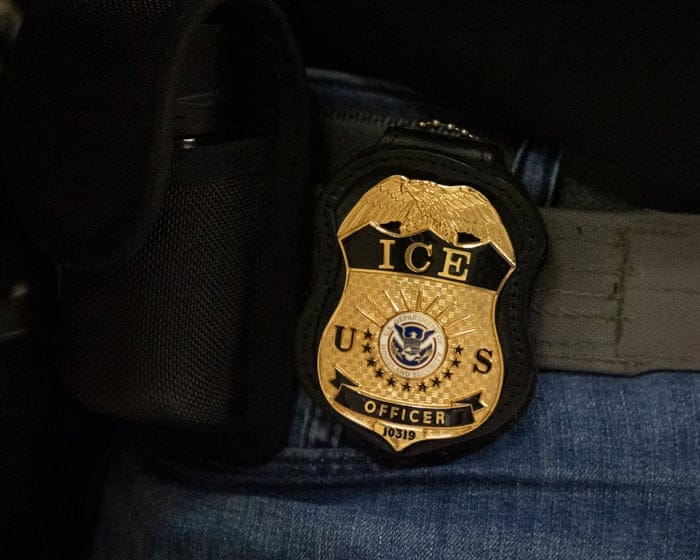
The 41-year-old Afghan asylum seeker was detained Friday morning outside his Dallas-area apartment while taking his six children to school, according to The Guardian US, citing a statement from AfghanEvac, a veteran-led advocacy group. By Saturday, he was dead in an Immigration and Customs Enforcement facility in Texas.
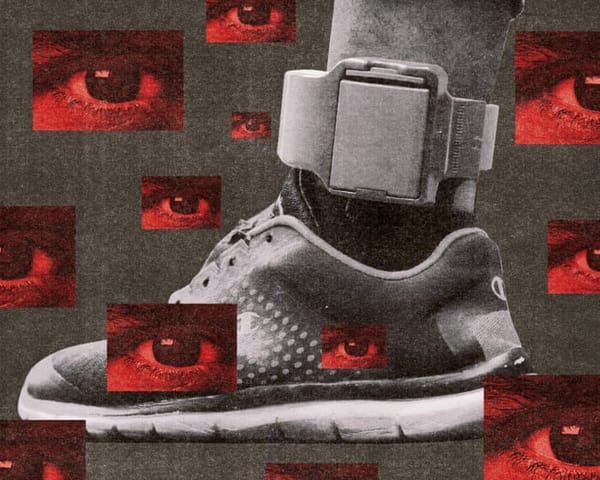
ICE has not released a cause of death. The agency's own data shows that deaths in immigration detention have increased 40% since 2022, with medical neglect cited as a factor in multiple cases by independent monitors. Paktyawal's death marks at least the eighth in ICE custody this fiscal year.
The tragedy exposes a brutal reality: America's abandonment of its Afghan allies didn't end with the chaotic withdrawal from Kabul. It continues in immigration courtrooms and detention centers across the United States, where interpreters and support staff who served alongside U.S. forces now face deportation to a country controlled by the Taliban — the very forces they helped America fight.
Paktyawal's case fits a documented pattern. Since 2021, ICE has detained more than 150 Afghans who worked with U.S. military or government agencies, according to data compiled by veterans' groups. Many fled Afghanistan after the Taliban takeover, fearing execution for their collaboration with American forces. They arrived seeking the protection America had promised them.
Instead, they found a deportation machine that makes no distinction between a combat interpreter and any other undocumented immigrant. The Special Immigrant Visa program, created specifically for Afghan and Iraqi allies, has a backlog exceeding 150,000 applications. Processing times stretch beyond five years. While applicants wait, many enter the U.S. through other means, seeking asylum — a legal right under both domestic and international law.
That legal right meant nothing to the agents who arrested Paktyawal outside his home. His asylum case was pending. He was living openly with his family, checking in with immigration authorities as required. None of that protected him from detention. None of that kept him alive.
The veterans who worked with interpreters like Paktyawal understand what civilians might miss: these weren't just translators. They were cultural bridges, intelligence assets, and often the difference between a successful mission and a deadly ambush. "They didn't just interpret words," said Matt Zeller, an Army veteran who co-founded No One Left Behind. "They interpreted intentions, warned us about threats, built relationships that kept soldiers alive."
The U.S. made explicit promises to these allies. The Afghan Allies Protection Act of 2009 acknowledged "the brave Afghans and Iraqis who have worked directly with United States Armed Forces and civilian personnel in Iraq and Afghanistan." It promised special immigration status for those who faced threats due to their service. That promise is now being broken in detention centers from Texas to Louisiana.
The Trump administration's approach compounds the betrayal. While converting airport barracks into detention facilities for migrants, officials have simultaneously expanded agreements with third countries to accept deportees who cannot be sent to their home nations. For Afghans, this could mean deportation to Pakistan or Turkey — countries where they have no legal status and face immediate return to Taliban-controlled Afghanistan.
The mathematics of this cruelty are straightforward. The U.S. spent $2.3 trillion on the war in Afghanistan. The annual cost of processing and protecting every Afghan who aided American forces would be less than 0.01% of that figure. This isn't about resources. It's about political choices that value xenophobic theater over keeping promises to allies.
Paktyawal's death also illuminates the deadly conditions within ICE detention. A 2022 Department of Homeland Security Inspector General report found "violations of detention standards that posed risks to detainee health and safety" at multiple facilities. Detainees reported untreated medical conditions, contaminated food, and guards who ignored medical emergencies. For someone already traumatized by war and displacement, these conditions can be fatal.
The response from Texas officials has been silence. Governor Abbott, who has deployed National Guard troops to the border and championed aggressive immigration enforcement, has said nothing about an American ally dying in his state's custody. The Senators who voted to fund the war in Afghanistan show no interest in protecting those who made that war possible.
AfghanEvac, the group that announced Paktyawal's death, estimates that 78,000 Afghan allies remain in third countries, unable to reach the U.S. due to visa backlogs and travel restrictions. Thousands more are inside the U.S., their cases stuck in immigration courts that now prioritize deportation over protection. Each represents a promise made by American soldiers and diplomats. Each represents a promise being broken by American politicians.
Paktyawal leaves behind six children who watched their father taken away Friday morning and will never see him again. They join thousands of Afghan families torn apart by America's refusal to honor its debts. His death in custody transforms policy failure into personal tragedy — but it's a tragedy multiplied across every detention center holding the allies America promised to protect.
The war in Afghanistan ended in August 2021. The betrayal of those who served alongside American forces continues every day, in courtrooms and detention cells, in visa denials and deportation orders. Mohommad Nazeer Paktyawal's death is not an aberration. It's the system working exactly as designed — to punish those who believed American promises, to abandon those who risked everything to help, to demonstrate that U.S. commitments expire the moment they become politically inconvenient.