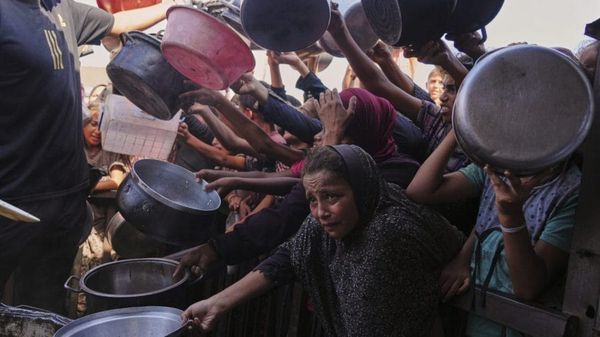
Benjamin Davis documented Gaza's hunger crisis for the UN's Food and Agriculture Organization. After Israel's mission filed a complaint, he was fired. The pattern of suppressing humanitarian evidence has a name — and the FAO just became part of it.
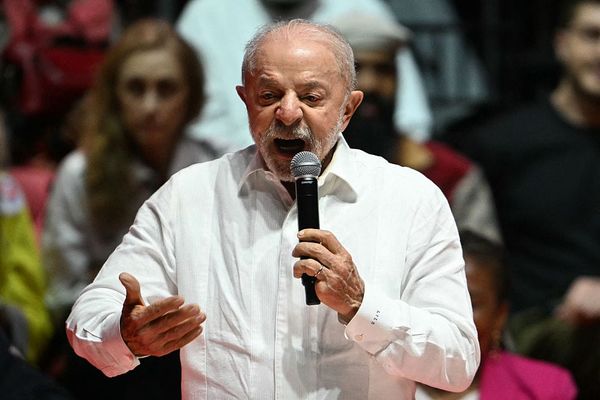
Trump's tariffs backfired into a nationalist rallying cry for Lula, while Flávio Bolsonaro's corruption scandal deepens. But the outcome of Brazil's election will determine far more than who governs — it will test whether democratic institutions can survive an authoritarian playbook backed by foreig
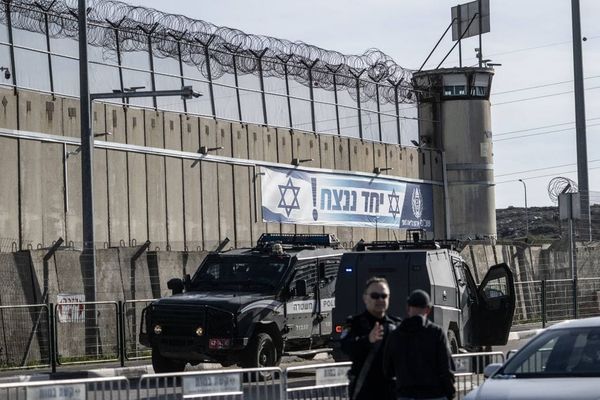
Newly surfaced texts show Israeli prison guards celebrating the deaths of Palestinian detainees they beat. Twelve guards face charges. The system that produced them faces nothing.
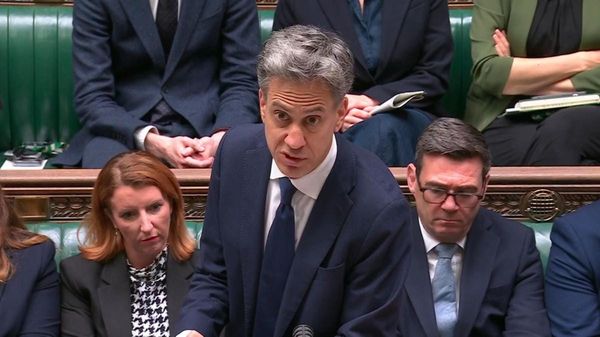
Britain's Foreign Secretary called it ethnic cleansing — and backed the word with sanctions. The U.S. has sanctioned the court officials who were investigating the same conduct. The distance between those two positions is now the story.
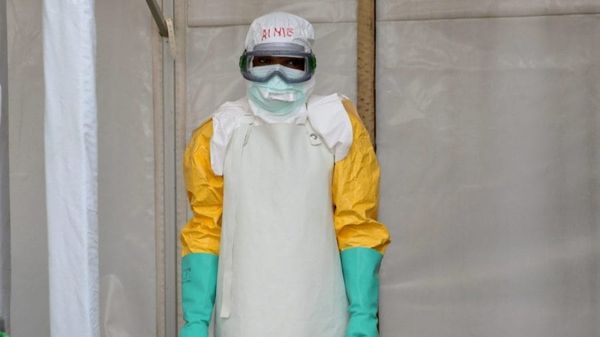
Congo's Ebola death toll has passed 3,000 in the fastest-growing outbreak in the country's history. The global health infrastructure built to prevent exactly this was dismantled by U.S. funding cuts earlier this year — and the two facts belong in the same sentence.
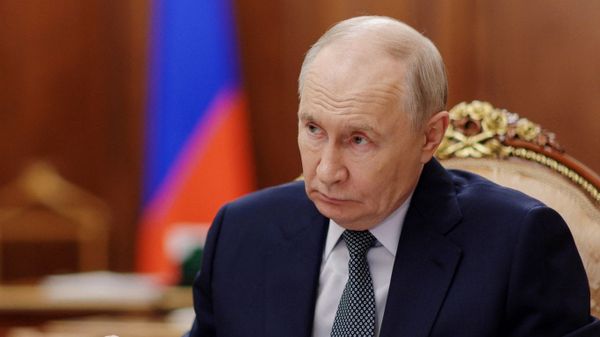
The CIA director flew to Moscow and proposed a Trump-Putin-Zelensky summit. Ukraine's own intelligence says Russia is planning an offensive on Kyiv. The White House has offered no strategy for what happens if either outcome materializes.
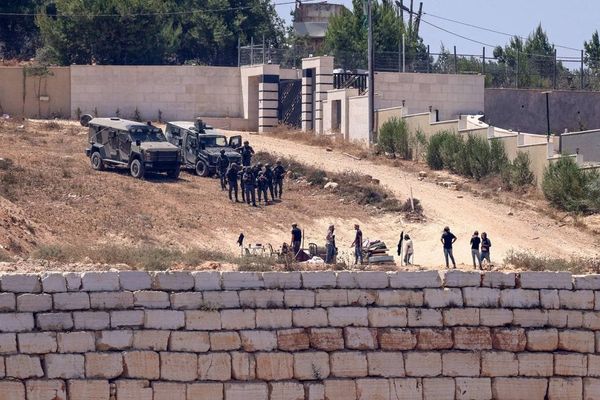
Masked settlers beat a Palestinian woman and four NBC journalists in the West Bank town of Jalud. Netanyahu condemned it. The system that made it possible remains intact — and fully funded.
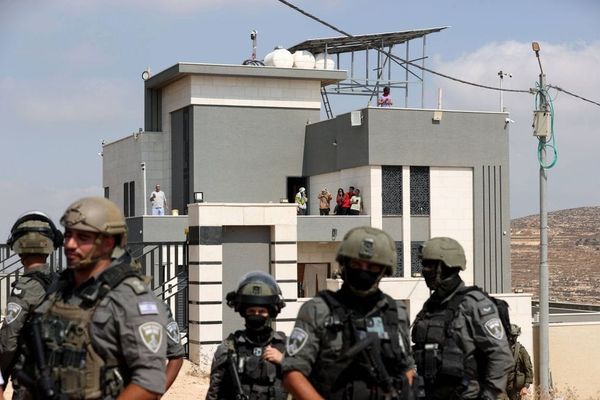
Retired IDF generals touring the West Bank are publicly calling settler violence 'ethnic cleansing' — a word Netanyahu refuses. Their testimony removes another layer of deniability from a government that calls attackers troubled youth while its ministers call for annexation.
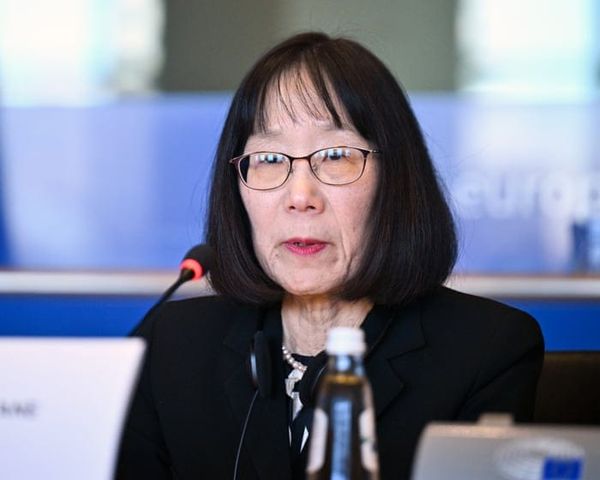
By sanctioning the ICC's president and the prosecutor investigating Israeli war crimes in Gaza, Washington has made explicit what was previously implicit: American economic power exists, in part, to shield American allies from international law.
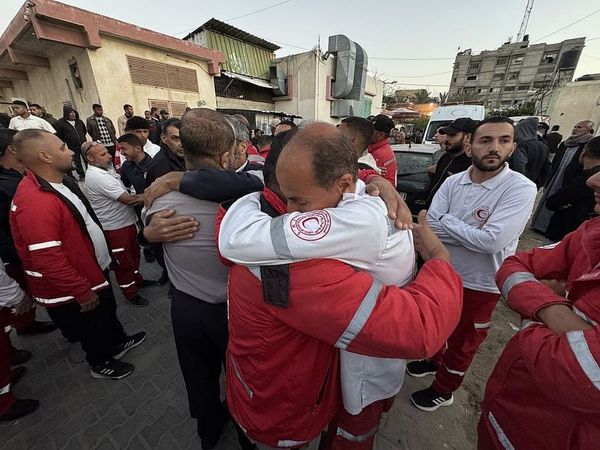
A record 907 aid workers were killed, injured, or kidnapped in 2025. The cause isn't drones — it's the deliberate absence of any mechanism to punish the states responsible.

After years of denial, the IDF opened criminal probes into the killing of Hind Rajab and 15 Gaza medics. Its own institutional track record — clearances in the World Central Kitchen and MSF cases, no charges after Shireen Abu Akleh — tells you what these investigations are designed to produce.
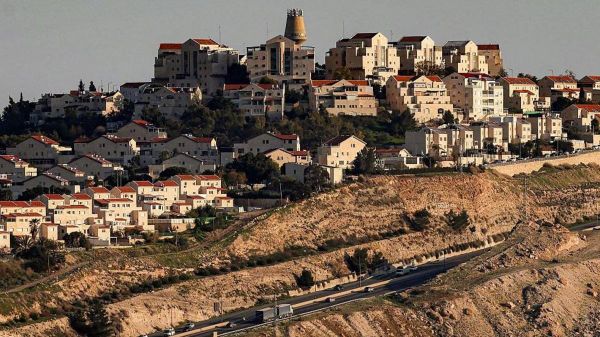
Israel has opened formal construction tenders for the E1 corridor, the project that would permanently divide the West Bank in two. Decades of international condemnation have produced no enforcement — and that is not a diplomatic failure. It is the intended outcome.
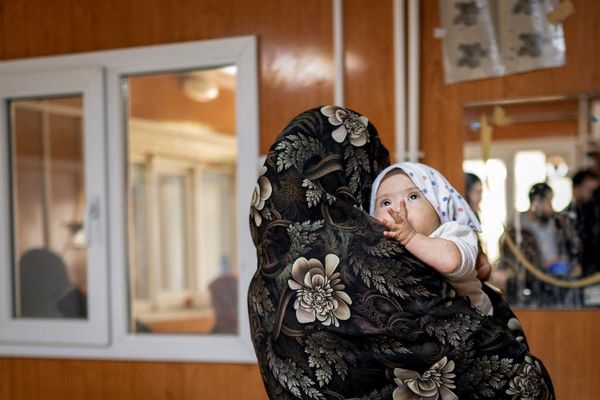
Five years after withdrawal, the U.S. has cut the humanitarian funding that was keeping Afghan mothers and children alive — and the administration knew exactly what would happen when it did.
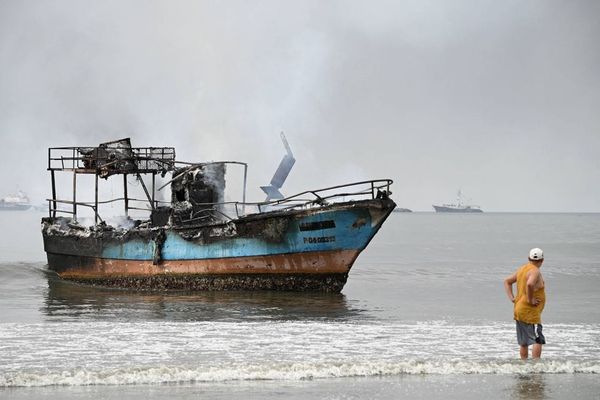
The CIA ran a covert boat-strike campaign near the Galápagos Islands, separate from the Pentagon's acknowledged operation that has killed at least 220 people. Survivors were hooded, cuffed, and flown to El Salvador. Eight men from the fishing boat Fiorella are still missing.
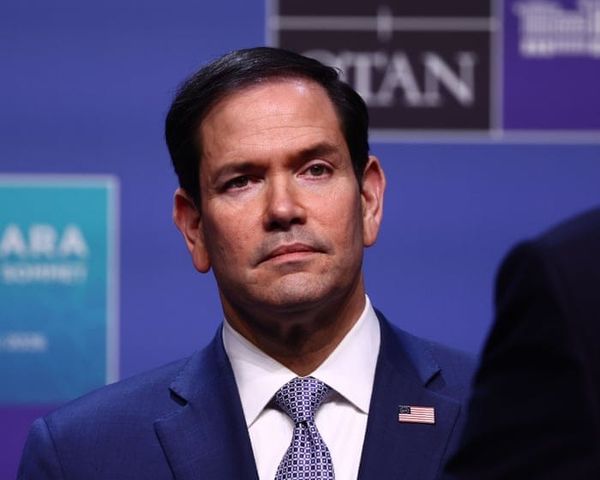
Marco Rubio has launched a campaign to dismantle the International Criminal Court, framing it as a sovereignty issue. The court's active investigations implicate U.S. conduct in Afghanistan and Gaza. The timing is not coincidental.
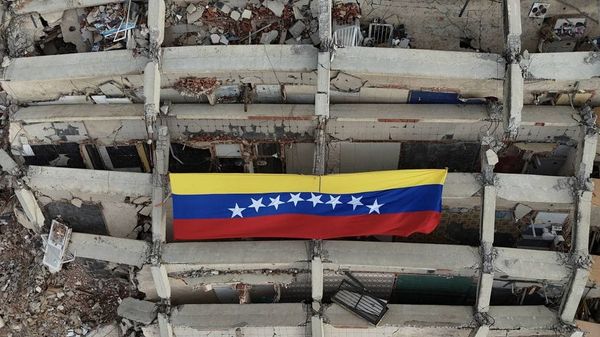
The Trump administration has collected more than $13 billion from Venezuelan oil sales since January. A single $300 million transfer is the only documented disbursement. Congress has no idea where the rest went — and the fund was designed to keep it that way.