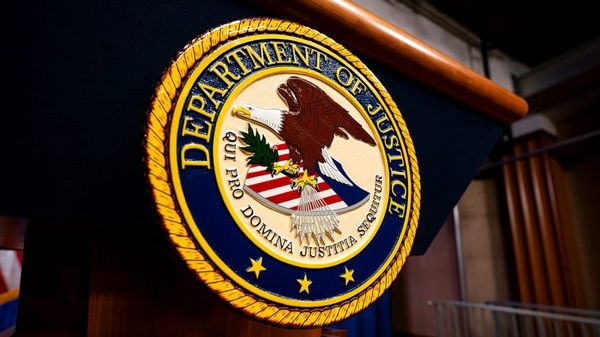
The DOJ just filed a record number of denaturalization cases — and the real story isn't the 40 people targeted. It's the legal architecture being built to make citizenship conditional for 23 million naturalized Americans.
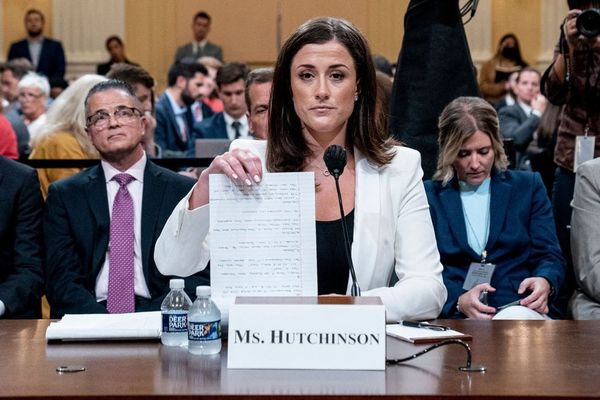
The DOJ is pursuing criminal charges against Jan. 6 star witness Cassidy Hutchinson — routed through the Civil Rights Division, not the DC U.S. Attorney's office. The legal anomaly is not the story. The deterrence is.
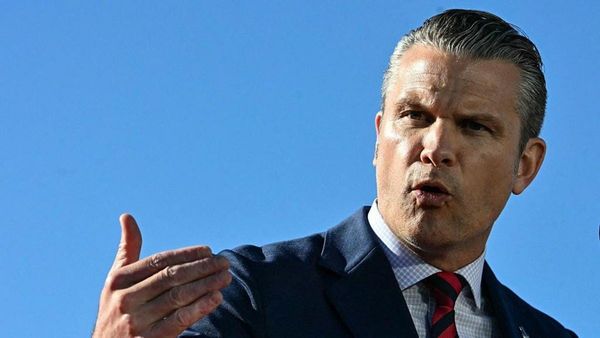
Pete Hegseth announced the Pentagon will livestream the firing squad execution of the Fort Hood shooter — the first public execution in nearly 90 years. The decision has nothing to do with transparency and everything to do with what this administration believes punishment is for.
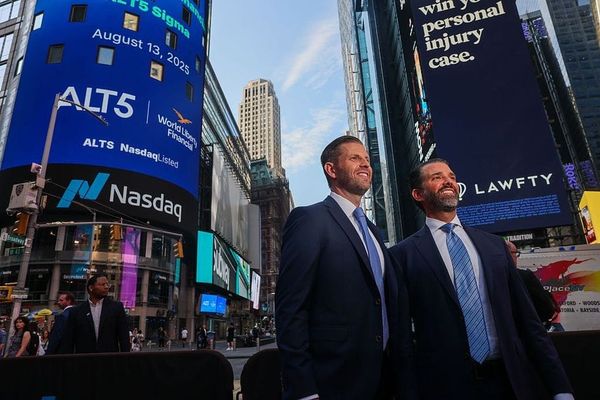
An ABC News analysis estimates companies backed by Donald Trump Jr. and Eric Trump have collected over $6 billion in Pentagon contracts — in several cases, only after the brothers invested. Neither of two drone companies had a prior government contract before the Trump name appeared on their cap tab
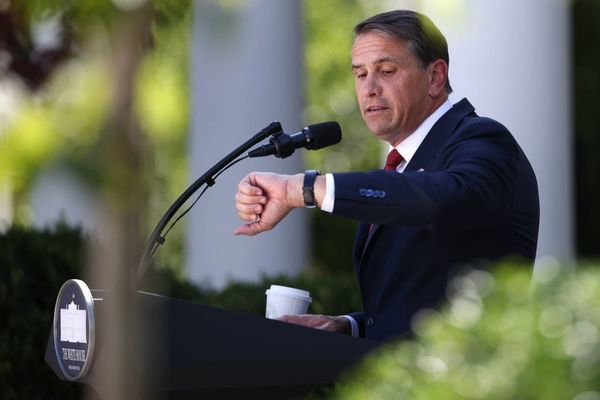
The Trump administration has the legal tools and political will to ban medication abortion nationwide. It's waiting until after the midterms to use them — a delay that reveals the policy's architects know exactly how unpopular it is.
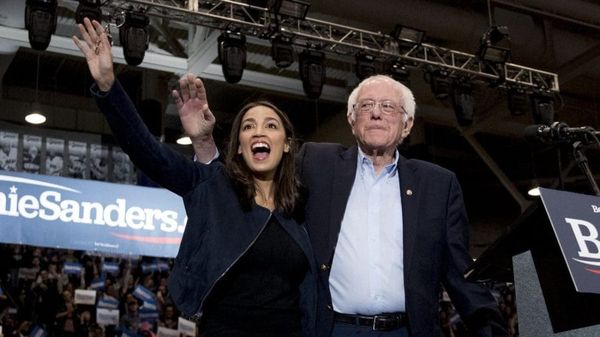
The Ban Flock Act targets a private surveillance network that expanded into 5,000 American communities using federal grant money — without a single congressional vote authorizing it as national policy.
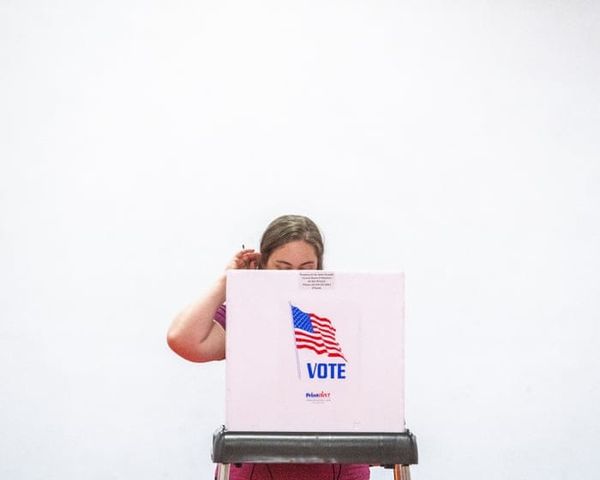
A voting divide between young men and women has reached a scale with no modern precedent — and it is about to determine who controls Congress. Neither party has a strategy adequate to what is coming.

Benjamin Davis documented Gaza's hunger crisis for the UN's Food and Agriculture Organization. After Israel's mission filed a complaint, he was fired. The pattern of suppressing humanitarian evidence has a name — and the FAO just became part of it.
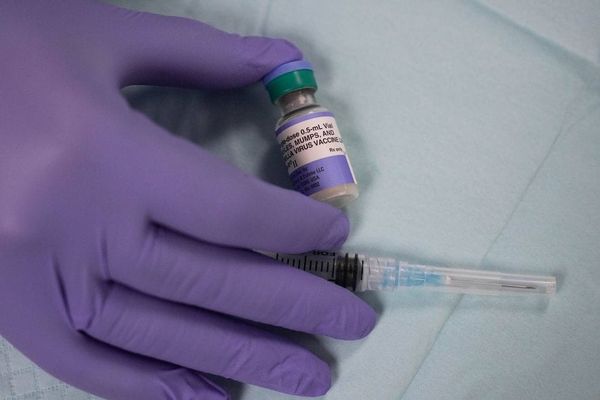
Pennsylvania's measles outbreak has passed 1,000 cases — the worst in three decades — as New York declares a statewide emergency. The person most responsible for federal vaccine policy spent decades building the conditions that made both possible.
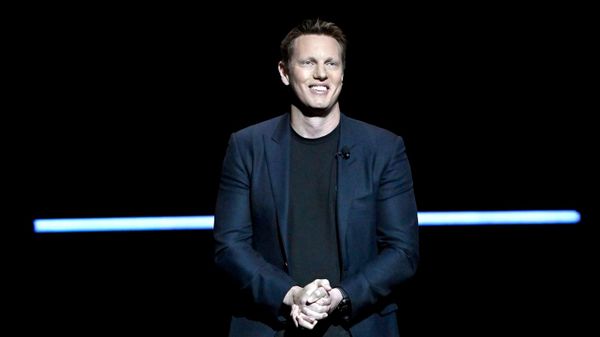
The $110 billion Skydance merger closed Tuesday, putting CNN, CBS, HBO, Paramount, and Warner Bros. under a single family's control — with sovereign wealth equity, a Trump ally's financial backstop, and an FCC waiver that bent its own foreign ownership rules to make it happen.
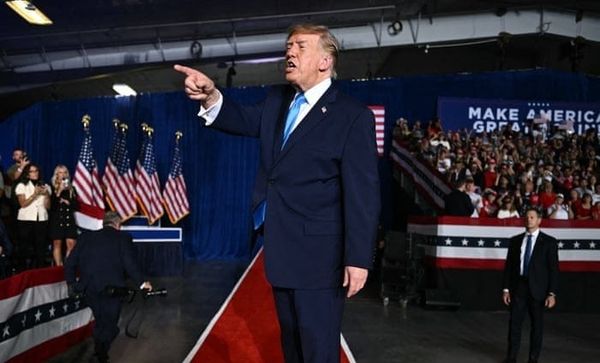
Trump speculated at a Nebraska rally that Iran could strike Los Angeles or San Diego. One Republican candidate objected. His party said nothing — and that silence is the story.
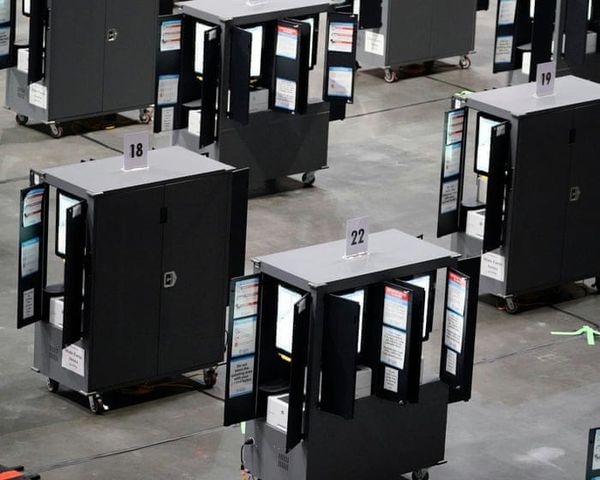
A Princeton researcher found AI can link voters to their secret ballots using public election data. Georgia called an emergency meeting. The vulnerability exists in dozens of states — and no federal body is equipped to address it.
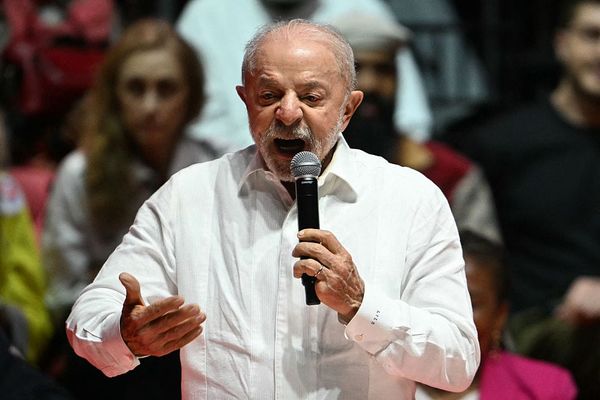
Trump's tariffs backfired into a nationalist rallying cry for Lula, while Flávio Bolsonaro's corruption scandal deepens. But the outcome of Brazil's election will determine far more than who governs — it will test whether democratic institutions can survive an authoritarian playbook backed by foreig
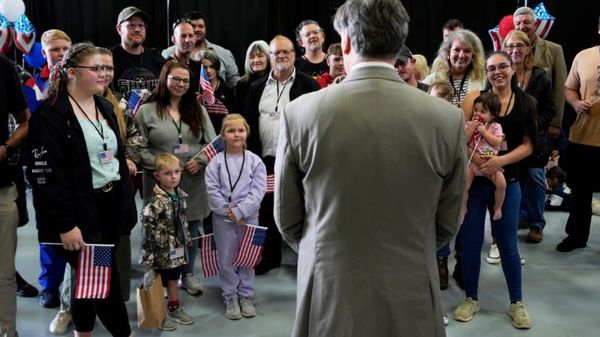
The Trump administration's proposed 17,500-person refugee cap is not just historically low — it is explicitly designed to prioritize white Afrikaners, converting a humanitarian program into a racial preference system for the first time in its history.
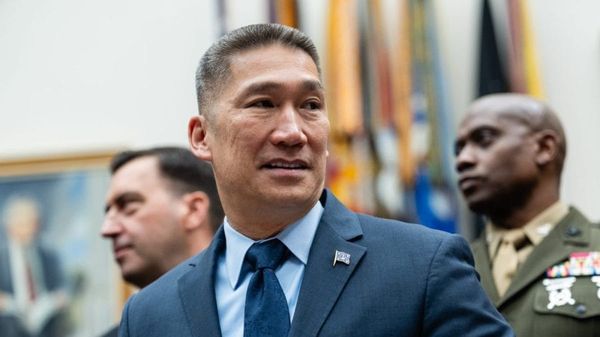
Acting Navy Secretary Hung Cao confirmed eight suicide attempts among sailors on the USS Abraham Lincoln carrier strike group — disclosed in a letter to a senator, not a hearing. The figure is a measure of what prolonged, unauthorized deployment does to the people executing it.
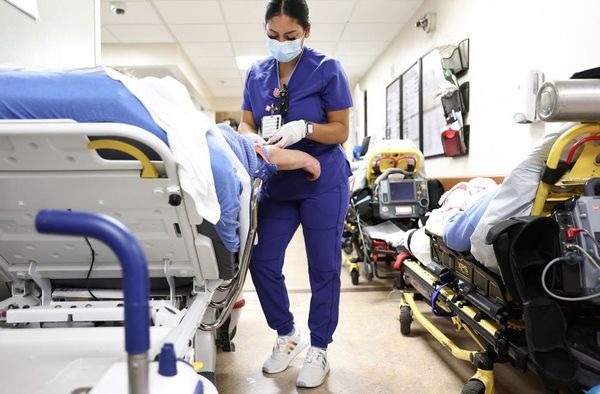
A Blue Cross Blue Shield analysis found that AI-powered billing tools drove $942 million in additional healthcare costs by flagging diagnoses with no corresponding treatment. The technology isn't making care more efficient — it's making billing more profitable.