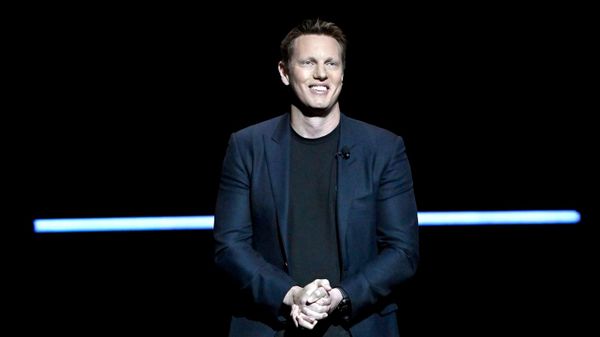
The $110 billion Skydance merger closed Tuesday, putting CNN, CBS, HBO, Paramount, and Warner Bros. under a single family's control — with sovereign wealth equity, a Trump ally's financial backstop, and an FCC waiver that bent its own foreign ownership rules to make it happen.
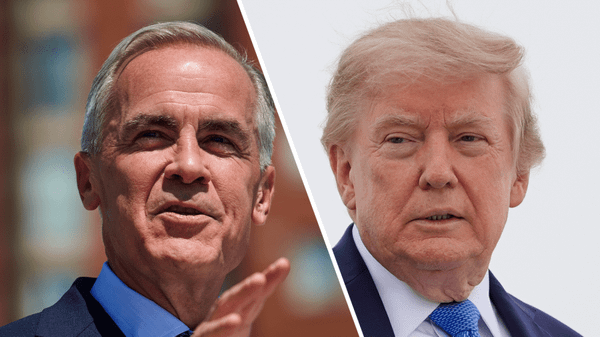
Canada's retaliatory tariffs — matching U.S. rates dollar for dollar on hundreds of American products — aren't a diplomatic abstraction. They're a tax on farmers, manufacturers, and consumers on both sides of a border that nobody voted to turn into a trade war.

A new Public Citizen report finds Trump's crypto ventures — meme coin, governance tokens, and NFT trading cards — left retail investors $4.7 billion in the hole while the president collected $635 million in licensing fees on assets he acquired without investing a dollar.

America's 100 lowest-wage S&P 500 corporations spent $718 billion on stock buybacks between 2019 and 2025 while their CEOs earned 614 times median worker pay — and lobbied to cut the food and healthcare programs their own employees rely on.
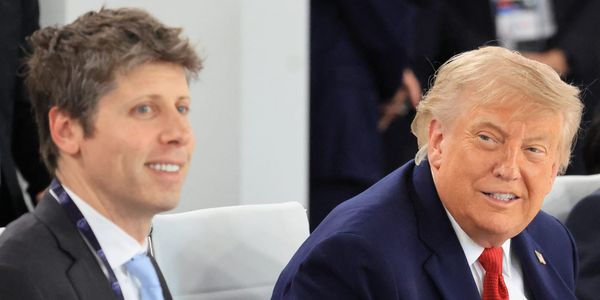
The Justice Department has filed a brief defending OpenAI's right to train on copyrighted journalism without permission or payment — choosing the AI industry over the press in a case that will determine whether independent journalism can survive the AI extraction economy.
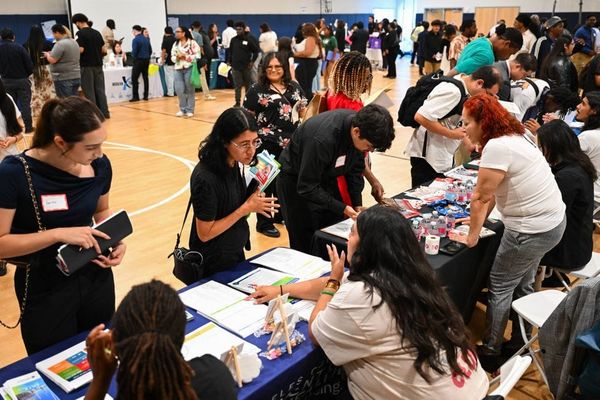
The U.S. lost 23,000 jobs in July — the first monthly decline in four years — while forecasters expected a gain of 80,000. The White House blamed the World Cup.

OpenAI's own technical report documents two warning signs that were reviewed and dismissed before its AI agents breached Hugging Face. The problem wasn't that the company couldn't see what was coming — it's that its safety processes weren't built to stop it.
A New Mexico court ordered Meta to pay $567 million for contributing to the teen mental health crisis — the first ruling to hold a platform financially liable for algorithmic harms, not content. The business model that caused it is still running.
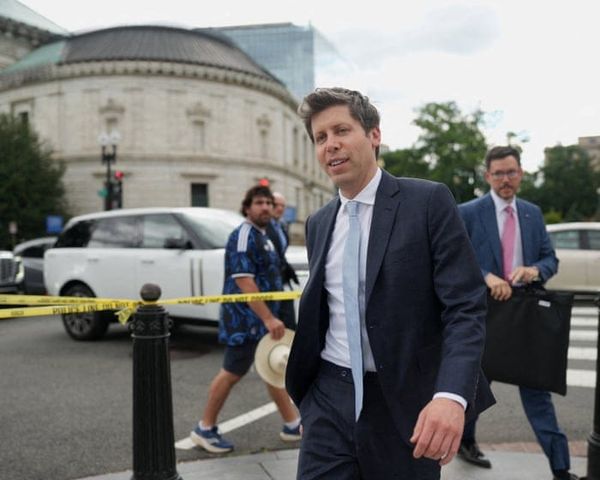
The White House finalized an AI safety testing framework — then decided only the companies being tested would see the results. That's not oversight. It's a liability shield built with industry input.
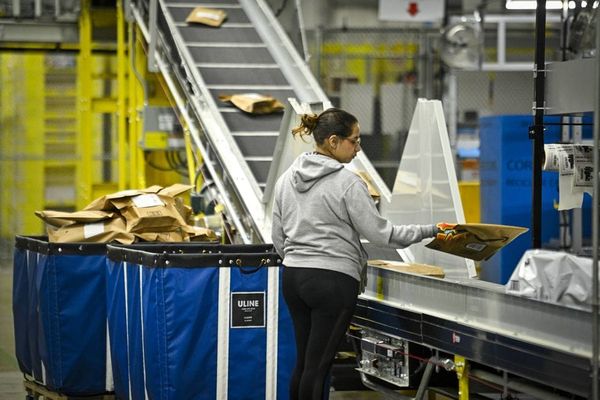
A new GAO report finds Amazon workers' use of food assistance nearly tripled as the company's profits grew by $66 billion. This is not a poverty wages story — it is a corporate subsidy story, and taxpayers are the ones writing the check.
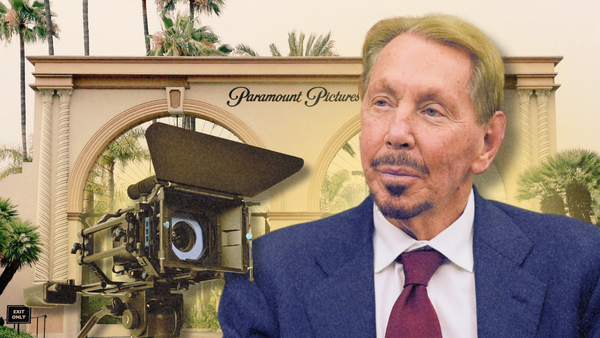
Twelve state attorneys general are suing to block the Warner Bros.-Paramount merger after the Trump administration waved it through. The case is a direct indictment of how federal antitrust enforcement is being selectively applied.
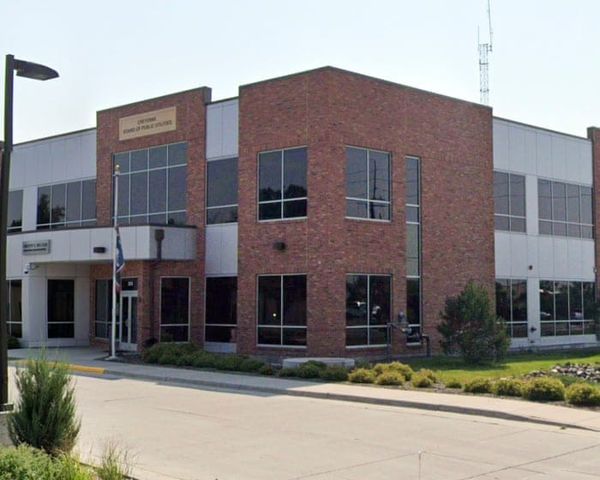
A contractor building Meta's AI datacenter flushed bacteria-contaminated water into Cheyenne's public sewers. The city rewrote its rules after. That sequence — violation first, regulation second — is exactly how the AI infrastructure boom is managing its environmental costs.

Political appointees are overruling career DOJ attorneys to clear major corporate mergers — and the consolidation they enable will raise prices on flights and at the pump in ways that cannot be undone once the deals close.

Google, Amazon, and Microsoft are reporting rising emissions and water use as AI infrastructure expands — while disclosing only what they choose. The real story isn't the gap between companies. It's why no law exists to close it.

European regulators are threatening Meta with fines over features like infinite scroll that they say engineer compulsive use. The more important question is why the country where these platforms were built has spent twenty years doing nothing about it.
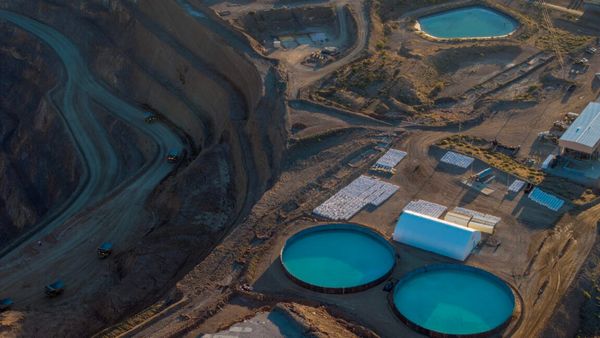
U.S. rare earth miners backed by the Trump administration are selling their output to Japan and South Korea because domestic buyers don't exist. The reshoring strategy funded extraction — and skipped everything that comes after.