
Yosemite Is Not for Sale. The Administration Is Selling It Anyway.
The Yosemite sell-off is being described as a minor boundary adjustment. It is a proof of concept — and the proof is that the public will absorb it.
The Yosemite sell-off is being described as a minor boundary adjustment. It is a proof of concept — and the proof is that the public will absorb it.

OpenAI and Anthropic endorsed an employee petition calling for the government to 'deliberately pace' frontier AI development. Neither company has slowed down. The endorsement is not a brake — it's a buffer.
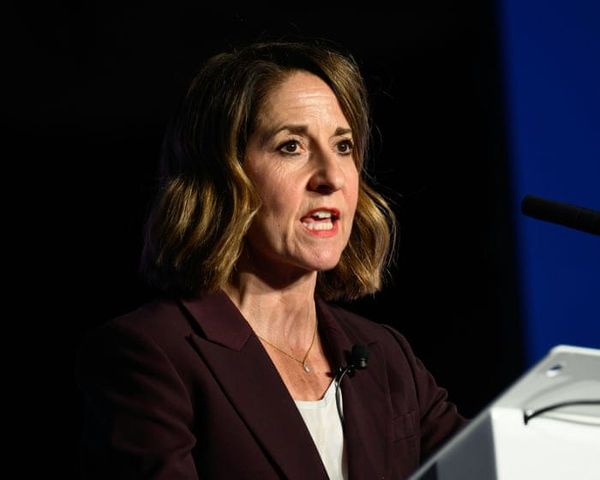
When the U.S. embassy in London formally objected to Britain's proposed under-16 social media ban, it was not acting as a neutral diplomatic observer. It was protecting the revenue models of American tech companies — using diplomatic infrastructure to do what lobbyists do.

The Gulf and the Pacific are sending the same message: too much value and too much vulnerability concentrated in too few places. The case for sovereign, decentralized infrastructure — now.
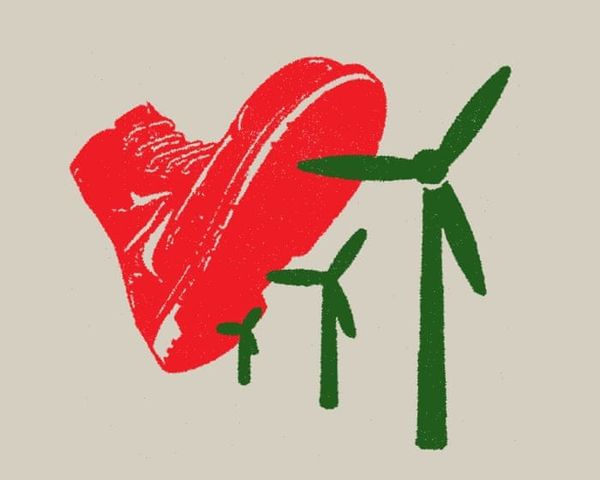
While China manufactures the hardware of the global energy transition, the U.S. is doubling down on fossil fuels — and the geopolitical cost of that bet is already arriving.
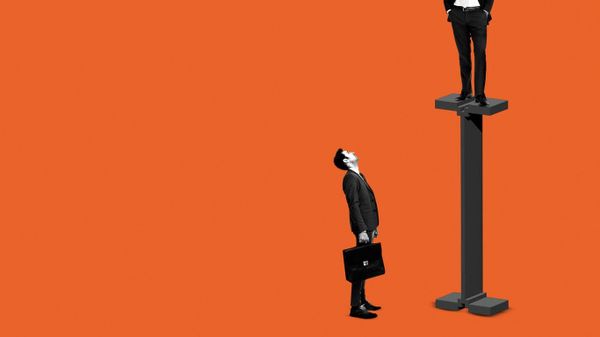
A new Anthropic study of over a million conversations finds that experienced AI users outperform newcomers by 10 percent — a gap that compounds over time and is already tracking existing class lines. No policy is designed to close it.

Copaganda is the systematic use of media to shape public perception of police in ways that obscure violence and preempt accountability. Here's how the system works — and why it matters.

The Trump administration is not corrupting the press. It is replacing it. And the media criticism frameworks built over three decades cannot describe what comes next.
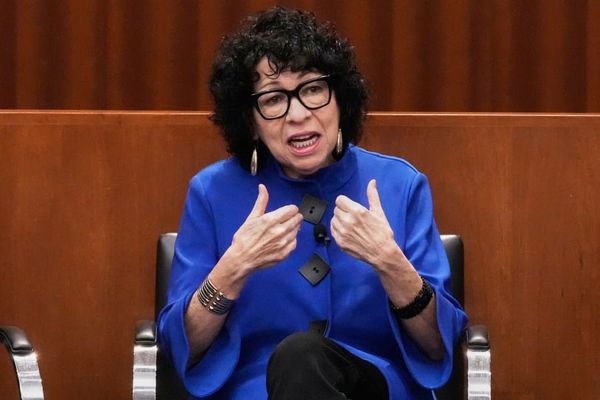
Justice Sotomayor called AI prediction of Supreme Court rulings 'a very bad thing.' She's right — but the real problem isn't that the court is predictable. It's what that predictability proves about whether law or ideology is driving the decisions.
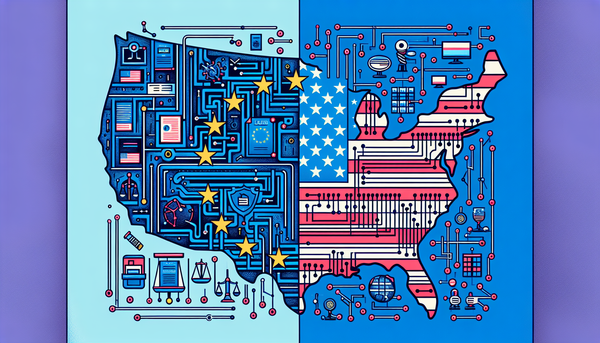
From the EU's AI Act to China's algorithmic controls, governments worldwide are racing to regulate artificial intelligence. Here's where AI regulation stands in 2025—and what's coming next.
Every June, the logos go rainbow. Every other month, queer creators are demonetized, trans users are harassed off platforms, and LGBTQ+ content is quietly buried. This is not a contradiction — it is a business model.

The White House is mixing real Iran war footage with video game and action movie clips in official social media videos — gamifying human suffering for engagement.
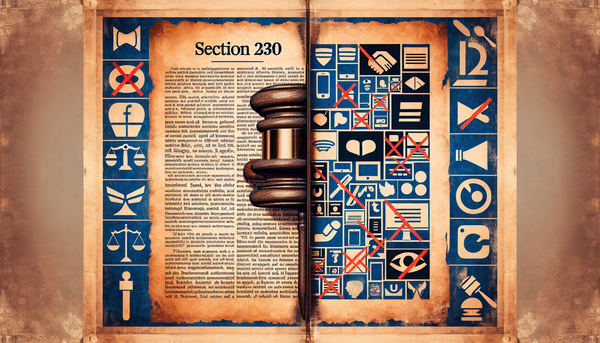
Section 230 protects platforms from liability for user content — and both parties want it gone. Here's what the law actually does and why changing it could break the internet.

Fox News, the New York Post, and other major outlets published false reports about Ilhan Omar based on an unverified X account, revealing how mainstream media launders disinformation into news.

Columbia Journalism Review documents how Israel's military censor unit controls thousands of news stories each year — and how some journalists have internalized state approval as professional validation rather than a threat to press freedom.

A federal judge struck down Pentagon restrictions requiring media organizations to pledge not to gather information without official authorization, ruling the policy violated the First Amendment.