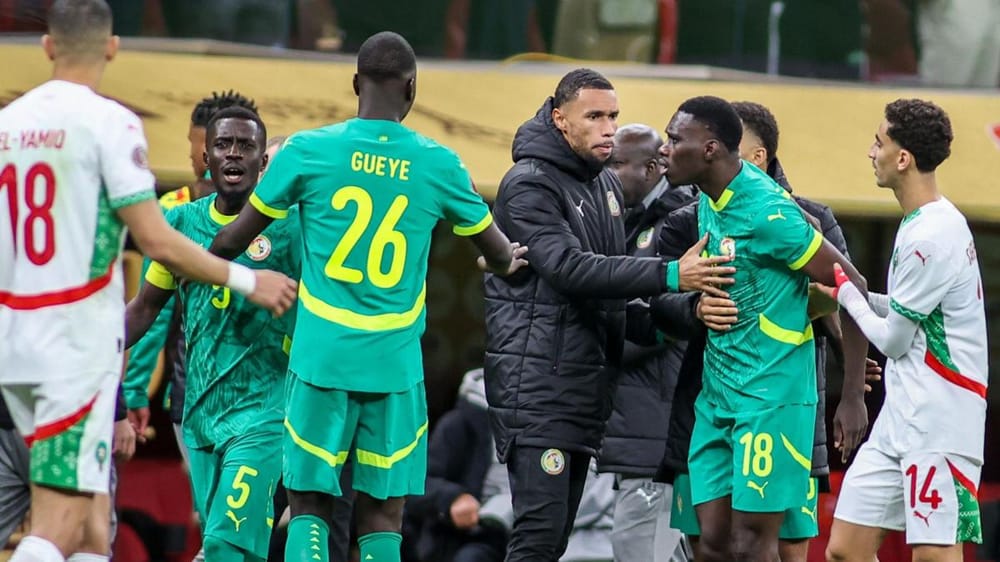
The Confederation of African Football oversees a $4 billion industry across 54 member nations, yet operates with less transparency than most local amateur leagues. That number matters because CAF's decision to strip Senegal of its Africa Cup of Nations title — awarding it instead to Morocco — exposes how Africa's most powerful sporting body remains captured by political interests rather than sporting merit.
The Senegalese government's call for an "independent international investigation" into CAF, as reported by BBC News, represents more than diplomatic protest. It signals that African nations are beginning to challenge the opacity that has defined continental football governance for decades. When a government declares "the fight is far from over" after a sporting decision, the stakes extend beyond trophies.
CAF's reversal marks the first time in the tournament's 67-year history that a title has been retroactively reassigned. The decision comes amid mounting allegations of vote-buying within CAF's executive committee and pressure from Morocco's football federation, which has invested heavily in hosting infrastructure for future tournaments. The timing — just months after Morocco secured hosting rights for the 2025 Africa Cup of Nations — suggests sporting decisions increasingly follow financial imperatives.
Critics might argue that corruption in football governance is neither new nor particularly African. FIFA's own scandals demonstrate that vote-buying and political interference plague the sport globally. But this defense misses what makes CAF's actions particularly damaging: in nations where football represents one of the few unifying social institutions, corrupting the game corrupts far more than sport.
The economic implications ripple beyond pride and prestige. Senegal's victory had triggered government investment in youth football programs, with the sports ministry allocating $12 million for grassroots development based on the championship's projected sponsorship revenue. That funding now faces cancellation, affecting an estimated 40,000 young players in a country where football offers one of the few paths to economic mobility. Morocco, meanwhile, stands to gain an estimated $30 million in additional sponsorship deals tied to their retroactive championship status.
What distinguishes this controversy from typical sporting disputes is the brazenness of the reversal. CAF provided no detailed explanation for overturning the on-field result, citing only "administrative irregularities" without specifying what rules Senegal allegedly violated. When pressed by journalists at a Casablanca press conference, CAF President Patrice Motsepe refused to elaborate, stating only that "the decision is final and in the best interests of African football."

The pattern extends beyond this single decision. Over the past five years, Morocco has hosted three major CAF events and secured hosting rights for two more, while Moroccan officials have assumed key positions within CAF's governance structure. The kingdom's football federation budget has tripled during this period, with significant portions allocated to "international football diplomacy" — a euphemism that raises questions about how influence is purchased rather than earned.
For Senegal, the stripping of the title carries political weight that transcends sport. President Bassirou Diomaye Faye had positioned the Africa Cup victory as evidence of Senegal's emergence as a continental leader, using the triumph in diplomatic meetings and trade negotiations. The reversal undermines not just sporting achievement but national positioning in regional politics. As sports coverage increasingly abandons its cultural role, the political manipulation of results fills the vacuum left by genuine sporting competition.
African football journalists have long documented CAF's governance failures, but their reporting rarely penetrates Western media coverage of the continent. When African football makes international headlines, it's typically through the lens of European clubs signing African players, not the systematic issues that shape the game where it matters most — in the communities where children learn that even sports victories can be retroactively stolen by those with deeper pockets.

The Senegalese government's demand for international investigation faces steep odds. CAF operates with minimal oversight from FIFA, which has its own credibility deficits when it comes to governance reform. The Court of Arbitration for Sport, sport's highest judicial body, has historically shown deference to continental confederations' decisions. Without pressure from sponsors or broadcasting partners — most of whom prioritize access over accountability — CAF faces few external constraints on its decision-making.
Yet the very public nature of Senegal's resistance matters. By refusing to accept the decision quietly, Senegalese officials are forcing a conversation about African football governance that powerful interests prefer to avoid. The government's statement that "this fight is far from over" suggests a willingness to pursue the matter beyond traditional sporting channels, potentially into international courts or diplomatic forums where CAF's immunity from scrutiny might not hold.

The reversal of Senegal's title illuminates a broader truth about power in African sport: those who control the administrative apparatus can override what happens on the field. Until African football develops governance structures that resist political capture and financial influence, the continent's most popular sport will remain subordinated to interests that have nothing to do with the game itself. For the young players in Dakar whose funding just evaporated, and for millions of fans across Africa who saw their team's victory erased by administrative fiat, that corruption is more than theoretical — it's theft in broad daylight, executed with impunity.