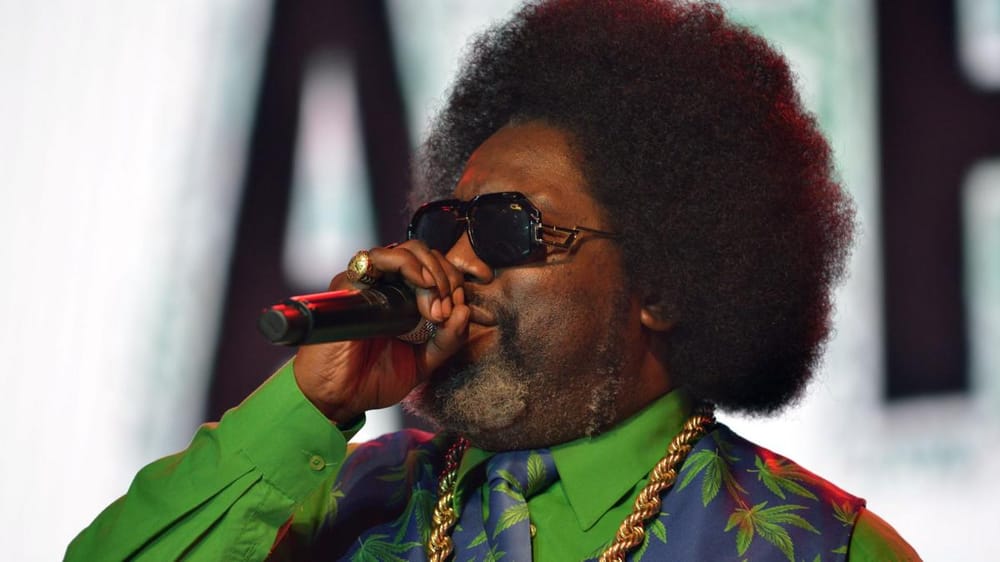
Afroman can keep selling songs that mock the police officers who raided his Ohio home. A court just ruled that the Adams County Sheriff's deputies who sued the rapper for releasing an entire album ridiculing their failed 2022 drug raid have no legal grounds to silence him, BBC News reports.
The case represents a rare First Amendment victory in an era when police departments increasingly use civil litigation to punish critics. While criminal charges against protesters and journalists grab headlines, the quieter trend of law enforcement filing defamation and privacy suits against citizens who document or criticize police conduct poses an equally serious threat to free expression.
The dispute began when Adams County deputies raided Afroman's home in August 2022, searching for drugs and kidnapping evidence. They found neither. Security footage showed officers rifling through the rapper's belongings, including one deputy examining money from Afroman's wallet. The raid yielded no arrests or charges.
Rather than simply filing a complaint, Afroman turned the footage into art. He released multiple songs and music videos incorporating the security camera footage, with titles like "Lemon Pound Cake" and "Will You Help Me Repair My Door." The songs didn't just critique the raid — they transformed it into comedy, setting the officers' actions to Afroman's signature laid-back beats.
Seven deputies responded by suing Afroman for invasion of privacy and misappropriation of their images, seeking monetary damages and an injunction to stop him from distributing the songs. Their lawsuit claimed the rapper was profiting from their likenesses without permission. This legal theory — that police officers conducting official duties in someone's home have a privacy right that supersedes the homeowner's free speech rights — would have set a dangerous precedent if successful.
The court's rejection of the officers' claims affirms a crucial principle: public servants performing official duties, especially when those duties involve entering private homes, cannot claim privacy rights that override citizens' ability to document and criticize their conduct. This matters beyond one rapper's case. As government institutions increasingly seek to control their public image, the right to use humor, art, and creativity to challenge authority becomes more essential.
The lawsuit also reveals how civil litigation has become a tool for circumventing First Amendment protections. When police cannot criminally prosecute someone for criticism, civil suits offer an alternative path to punishment. Even when these suits fail, they impose legal costs and stress on defendants. Afroman could afford to fight back — many citizens cannot.
The timing of this victory matters. Across the country, states are passing laws criminalizing the filming of police, despite clear Supreme Court precedent protecting that right. Police unions lobby for expanded privacy protections that would shield officers from accountability. Meanwhile, the broader assault on press freedom and documentation of government actions creates a climate where any victory for free expression deserves attention.
Afroman's case also demonstrates the unique power of artistic expression in challenging authority. His songs did what traditional complaints could not — they made the failed raid famous, ensuring thousands of people saw how these officers operated. The humor disarmed while the criticism hit hard. This is exactly why authoritarian movements always target artists early.
The deputies' decision to sue rather than accept accountability for a failed raid speaks to a broader culture within American policing that views any criticism as an attack requiring retaliation. That seven officers felt entitled to use the court system to punish a citizen for mocking their professional incompetence reveals how normalized this authoritarian mindset has become.
This ruling won't stop police from filing retaliatory lawsuits. But it does establish that when they do, courts can still recognize the difference between legitimate privacy concerns and attempts to silence protected speech. In an era of expanding police power and shrinking civil liberties, that distinction may be one of the few protections citizens have left.