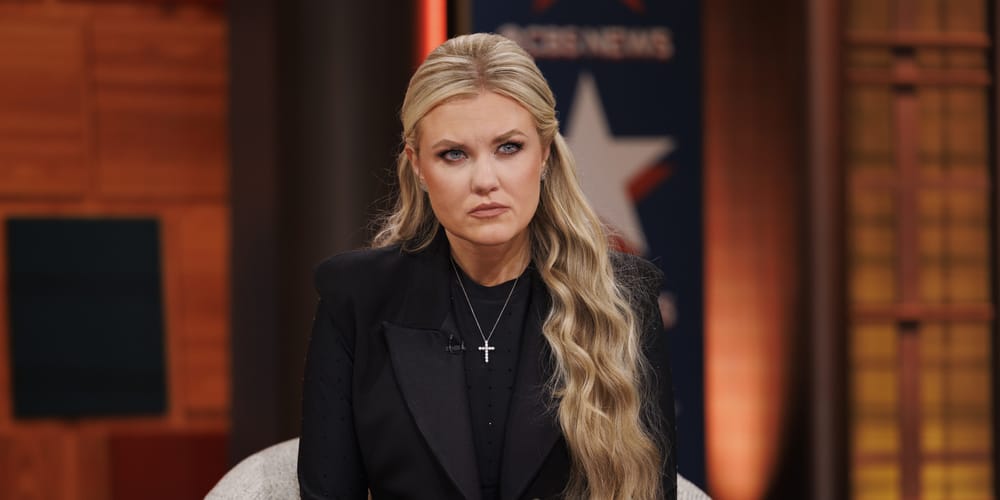
The Air Force Academy's oversight board will soon include Erika Kirk, who promises to bring "bold Christian faith" to an institution that trains the next generation of military officers. This appointment represents more than a single personnel decision — it marks the leading edge of a systematic ideological transformation of the U.S. military that extends from service academies to the Pentagon's highest offices.
According to records obtained by The Intercept, academy leaders are dismantling diversity, equity, and inclusion programs while installing figures who explicitly frame military service through a Christian nationalist lens. The changes align with Trump administration directives that have already reshaped military leadership, purged officers deemed insufficiently loyal, and redefined the armed forces' relationship to both civilian oversight and constitutional principles.
The transformation at the Air Force Academy matters because service academies shape military culture for decades. Officers trained under explicitly religious-political frameworks will command units, set policy, and determine how the world's most powerful military relates to democratic governance. When the institutions that produce military leaders abandon secular, constitutional principles in favor of sectarian ideology, the consequences extend far beyond campus boundaries.
Kirk's appointment follows a pattern visible across military institutions since Trump's return to office. The administration has systematically removed military leaders who defended constitutional limits on presidential power, opposed the use of active-duty forces against protesters, or maintained traditional boundaries between military service and partisan politics. In their place, the administration has installed figures who view military power through an explicitly ideological lens — one that frames American military might as an instrument of religious purpose rather than democratic governance.
The speed of these changes has alarmed military scholars and retired officers who see fundamental shifts in how the armed forces understand their role. "We're watching the creation of a Christian nationalist praetorian guard," one critic told The Intercept, referencing the Roman military units that eventually determined imperial succession rather than defending the republic. The comparison captures a specific fear: that ideologically captured military institutions might prioritize loyalty to particular leaders or religious visions over their constitutional obligations.
The dismantling of DEI programs represents only the visible portion of this transformation. More significant are the changes to curriculum, promotion criteria, and institutional culture that will shape how future officers understand their obligations. When military education emphasizes religious identity over constitutional duty, when promotion depends on ideological alignment rather than professional competence, and when dissent becomes disloyalty, the institution transforms from within.
These changes connect to broader patterns in how the Trump administration has approached federal institutions. From election security officials who embrace conspiracy theories to the systematic replacement of career civil servants with political loyalists, the administration has pursued what amounts to ideological capture of government institutions. The military represents both the most consequential and most dangerous arena for such capture, given its monopoly on organized violence and its traditional insulation from partisan politics.

The international implications of this transformation extend beyond American borders. Allied nations have long relied on the U.S. military's professional, apolitical character as a stabilizing force in international relations. When American military institutions embrace explicit religious-political ideologies, it affects everything from intelligence sharing to joint operations to the basic predictability that underpins global security arrangements. European defense officials have privately expressed concern about the reliability of an ideologically transformed American military as a treaty partner.
The resistance to these changes has been muted by the administration's aggressive approach to military dissent. Officers who question the ideological transformation face removal under the guise of "disloyalty" or "woke ideology." The message to serving officers is clear: embrace the new ideological framework or end your career. This dynamic ensures that opposition remains private, expressed only in retired officers' public statements or anonymous quotes to journalists.
What makes the Air Force Academy particularly significant is its role in shaping long-term military culture. Unlike political appointees who serve for years, academy graduates serve for decades. Officers trained to view their service through a Christian nationalist lens will shape military culture well into the 2050s. The curriculum changes, leadership examples, and institutional values established now will influence American military thinking for a generation.
The legal framework that traditionally separated military service from religious establishment faces systematic erosion. Court challenges to religious requirements in military settings have been dismissed or slow-walked, while new policies explicitly promote religious expression in official contexts. The boundary between personal faith and professional duty — once carefully maintained through regulations and military justice precedent — has been deliberately blurred.

The consequences of ideological capture extend to military effectiveness itself. When promotion depends on religious or political alignment rather than tactical competence, when dissent is punished as disloyalty, and when institutional culture prioritizes ideological conformity over professional excellence, military readiness suffers. The U.S. military's global dominance has rested partly on its ability to promote competent leaders regardless of their personal beliefs — a principle now under direct assault.
The transformation of American military institutions into instruments of religious nationalism represents a fundamental break with constitutional tradition. The founders' vision of civilian control over an apolitical military, the principle of religious freedom in federal service, and the concept of military officers as servants of the constitution rather than any particular leader or ideology — all face systematic dismantling. What emerges in their place is an institution that more closely resembles the ideologically committed militaries of authoritarian states than the professional force that has characterized American democracy.
The appointment of figures like Erika Kirk to positions of institutional authority accelerates this transformation. Their explicit commitment to bringing "bold Christian faith" to military education ensures that future officers will be trained in an environment where religious identity and military service are intentionally fused. The long-term consequences of this fusion — for military effectiveness, constitutional governance, and America's role in the world — are only beginning to become visible.