Two years after a home in Oak Grove, Alabama, exploded above an expanding coal mine, killing a resident, the state commission created to prevent such disasters is now chaired by a coal industry executive. Inside Climate News reported that the Alabama Surface Mining Commission — the entity charged with overseeing mine safety after the March 2024 explosion — has been restructured to give the coal industry direct control over its own regulation.
Lisa Lindsay, who lives near the site of the explosion, told Inside Climate News that the February 2026 commission meeting made clear how far her community still has to go. The commission that was supposed to protect residents from future disasters now operates under leadership with a financial interest in minimizing enforcement. "Letting the fox guard the henhouse," Lindsay said, describing the new arrangement.
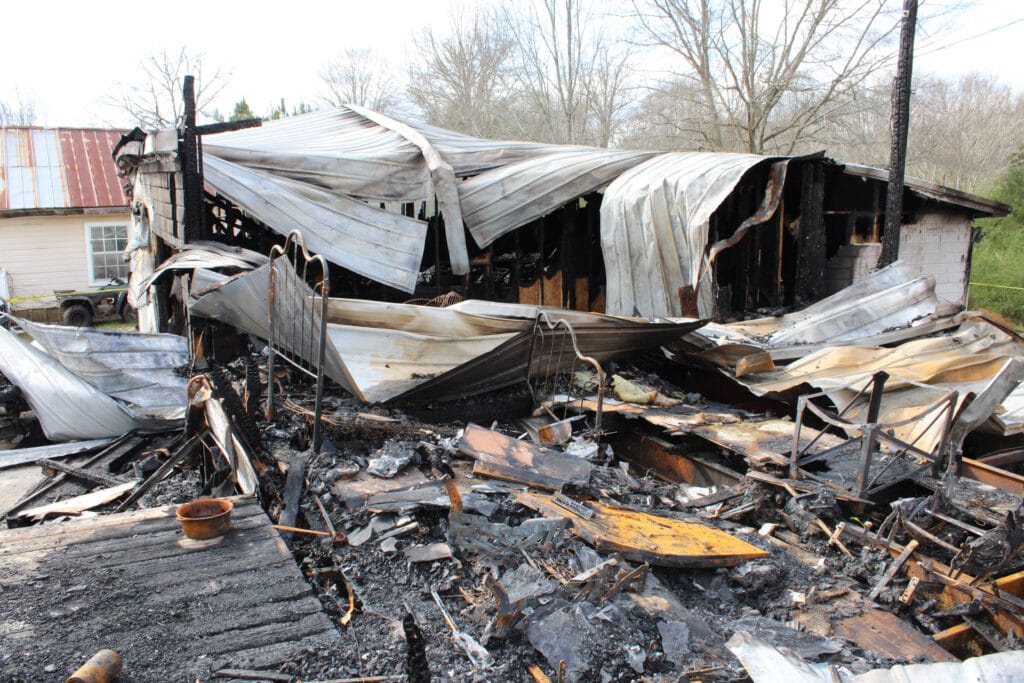
The March 2024 explosion occurred when underground coal mining operations destabilized the surface above, causing a home to collapse and explode. The incident killed one person and forced multiple families to evacuate. State lawmakers responded by creating the Surface Mining Commission to provide independent oversight of coal operations near residential areas. That commission has now been effectively captured by the industry it was designed to regulate.
According to Inside Climate News, the commission's new chair holds a senior position at a coal company operating in Alabama. The appointment came after the Trump administration's Department of Interior pressured states to reduce "burdensome" mining regulations and streamline permitting processes. Alabama's Republican-controlled legislature responded by restructuring the commission to include industry representatives in leadership roles, arguing that coal executives understand mining safety better than government regulators.
The pattern is familiar: a preventable disaster, public outcry, the creation of a regulatory body, then the gradual erosion of that body's independence until the regulated industry controls the regulator. What makes Alabama's case distinct is the speed. The commission went from creation to capture in under two years. The home that exploded is still uninhabitable. Families displaced by the blast are still fighting for compensation. And the commission created to ensure it never happens again is now led by someone whose company profits from the same mining practices that caused the explosion.
This is not a story about regulatory philosophy or competing visions of government oversight. This is a story about who has power and who bears risk. Coal companies extract profit. Residents absorb the consequences when the ground beneath their homes becomes unstable. A regulatory system designed to balance that equation has been restructured to serve the interests of the companies, not the people living above the mines. The next explosion — and there will be one, because the conditions that caused the first have not changed — will happen under a regulatory framework designed to protect the industry, not the community. This dynamic mirrors broader patterns of regulatory blind spots enabling risky industries, where oversight gaps leave ordinary people exposed to consequences while profits flow elsewhere.
Lindsay and other Oak Grove residents are now organizing to demand the commission's restructuring be reversed. They are also pushing for state legislation that would ban coal industry executives from serving in regulatory roles over their own sector. The effort faces long odds in a state legislature that has historically prioritized coal industry interests over resident safety, a pattern also visible in how police accountability has collapsed under the new administration as federal oversight mechanisms are dismantled across multiple sectors. But the alternative — waiting for the next home to explode while the industry regulates itself — is no longer acceptable to the people who live in the blast radius.