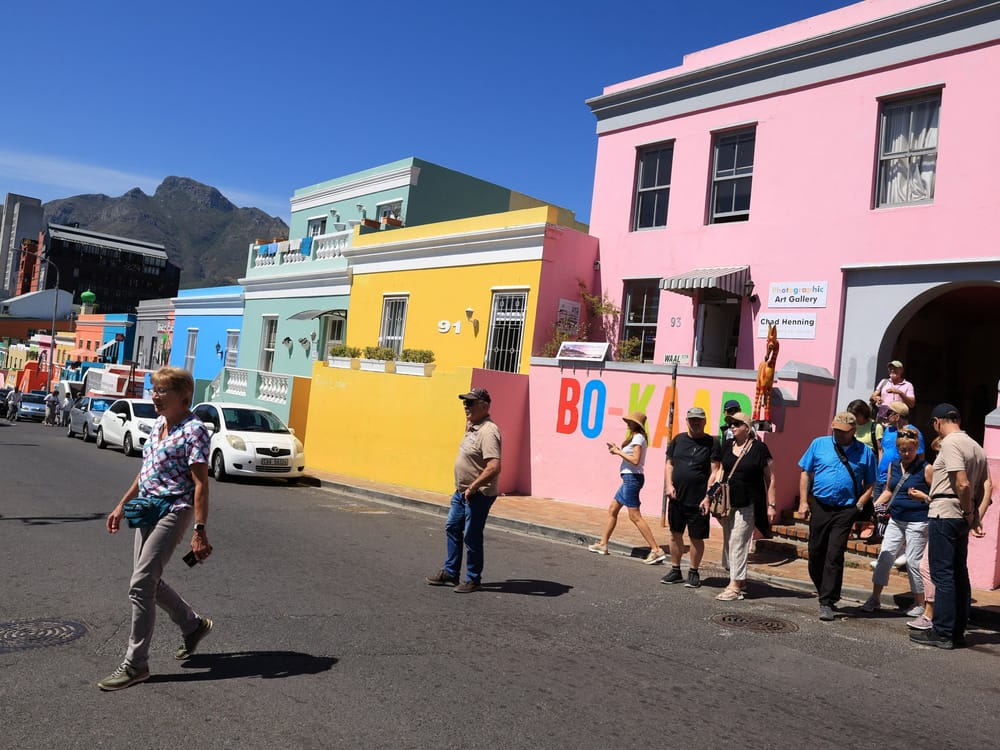
Cape Town's Bo-Kaap neighborhood — a historic enclave of brightly painted homes and cobblestone streets built by freed slaves and Muslim immigrants — is being systematically priced out of reach for the families who have lived there for generations. Al Jazeera English reported that the convergence of a global digital nomad boom, unchecked tourism development, and South Africa's housing crisis has turned one of the country's most culturally significant communities into a real estate investment opportunity for wealthy foreigners.
The pattern is familiar across the Global South: remote workers from Europe and North America discover a "cheap" city, drive up rents and property values, and displace the people who actually built the place. In Bo-Kaap, the stakes are higher. This is not just gentrification. It is the erasure of a community that survived apartheid, colonial displacement, and centuries of marginalization — only to be pushed out by Airbnb listings and foreign capital in the post-pandemic economy.
According to Al Jazeera English, property prices in Bo-Kaap have surged beyond what working-class South African families can afford, even as the neighborhood's cultural identity — its mosques, its Afrikaans-speaking Muslim community, its role as a living monument to resistance — becomes a selling point for the very investors displacing its residents. The tourism industry markets Bo-Kaap's colorful homes as Instagram backdrops. Real estate agents pitch the area as an "authentic" experience for buyers who will never be part of the community they are buying into.
South Africa's housing crisis provides the structural foundation for this displacement. The country never resolved the spatial inequality of apartheid. Black and Coloured South Africans were forcibly removed from urban centers and relocated to townships on the periphery. Bo-Kaap was one of the few central neighborhoods where non-white communities maintained a foothold. Now, decades after apartheid's formal end, market forces are completing what state violence could not: the removal of non-wealthy, non-white residents from the urban core.
The digital nomad economy accelerates this. Remote workers from wealthy countries can outbid local buyers because their incomes are pegged to currencies and wage structures that South African workers cannot compete with. A salary that feels modest in Berlin or London translates to purchasing power that reshapes entire neighborhoods in Cape Town. The South African government has encouraged this through visa programs designed to attract foreign remote workers, framing it as economic development. But development for whom? Not for the families being priced out of homes their grandparents built.
This is not unique to Cape Town. Similar patterns of displacement are playing out globally, wherever economic inequality meets weak housing protections and a tourism economy that treats culture as a commodity. What makes Bo-Kaap distinct is its historical weight. This is a neighborhood that preserved language, religion, and community through centuries of oppression. Its residents are not abstract victims of market forces. They are the descendants of people who were enslaved, who were classified as non-white under apartheid, who stayed when the government wanted them gone.
The question now is whether South Africa will intervene. Rent control, restrictions on foreign property ownership, and affordable housing mandates are all policy tools that other countries have used to slow displacement. Cape Town has implemented none of them at the scale required. The city government has prioritized tourism revenue and foreign investment over housing security for its own residents. That is a choice, not an inevitability.
Bo-Kaap's displacement is a test case for whether post-apartheid South Africa will protect the communities that built the country, or whether it will allow global capital to finish the work that colonial and apartheid governments started. Right now, the evidence suggests the latter. The people who painted those bright homes, who maintained those mosques, who kept that culture alive through generations of state violence, are being told they can no longer afford to stay. That is not development. That is erasure with a real estate license.