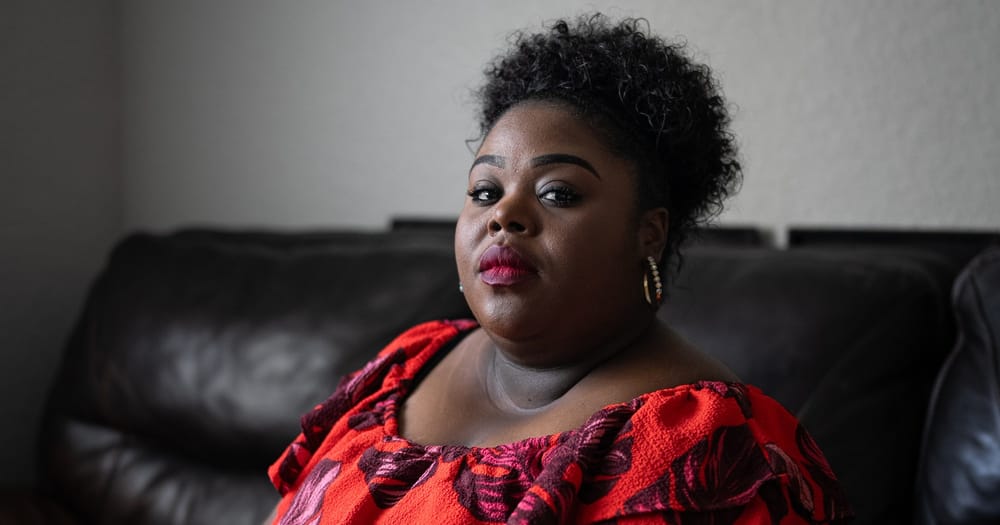
ProPublica documented multiple cases in Florida where judges ordered pregnant women to undergo cesarean sections against their explicit wishes, after hospitals petitioned courts claiming medical necessity. The women wanted vaginal births. The state decided they would be cut open instead.
The investigation found that hospitals sought judicial intervention when patients refused recommended C-sections, transforming what should be a medical conversation into a legal proceeding where the pregnant person's bodily autonomy became subject to a judge's ruling. In several cases, the medical justification presented to courts was contested or uncertain — yet judges sided with hospital requests, effectively granting the state power to mandate surgical intervention on a person's body.
This is not a story about emergency medical care. These were not split-second decisions in delivery rooms. These were calculated legal maneuvers: hospitals filing petitions, scheduling hearings, presenting medical testimony, and asking judges to override a patient's refusal of surgery. The women involved were not incapacitated. They were conscious, capable of understanding their options, and explicitly declining a major abdominal surgery. The courts ordered it anyway.
The medical establishment's role here is not passive. Doctors testified in support of court orders, framing patient refusal as a threat to fetal health serious enough to justify state intervention. But as ProPublica reported, the evidence presented was often based on risk assessments — not certainties. C-sections carry their own risks: infection, hemorrhage, complications in future pregnancies. The calculus of risk is supposed to belong to the patient. In these cases, it belonged to a judge.
What makes this system particularly insidious is its legal architecture. Once a hospital decides a patient's refusal is unacceptable, it can invoke the state's interest in fetal welfare to strip that patient of decision-making authority. The pregnant person becomes a vessel whose choices are subordinate to a court's interpretation of medical testimony. This is not informed consent. This is coercion with a gavel.
The implications extend beyond individual cases. When hospitals know they can seek judicial backup to override patient refusal, the power dynamic in every obstetric conversation shifts. A recommendation becomes a threat: agree to this procedure, or we will make a judge force you. For pregnant people — particularly those who are poor, Black, or otherwise marginalized — the message is clear. Your body is not entirely your own. The state claims a share.

This is the same legal logic that has been used to restrict abortion access, to prosecute women for pregnancy outcomes, to jail people for alleged harm to fetuses. It treats pregnancy as a condition that diminishes personhood rather than one that requires greater protection of autonomy. And it relies on a medical system willing to participate — not just by offering recommendations, but by turning to courts when patients say no.
Florida is not the only state where this happens. Court-ordered cesareans have been documented across the country, disproportionately affecting Black women and low-income patients. But the fact that it is not unique does not make it less alarming. It makes it structural. This is how reproductive coercion operates when it has institutional backing: not through overt violence, but through bureaucratic process, medical authority, and judicial deference to the idea that the state knows better than the person whose body is at stake.

The women in ProPublica's investigation did not get to make the final decision about how they gave birth. A judge did. The doctors who testified in support of those orders helped build the case for state intervention. And the legal system that allowed it to happen remains in place, ready to do it again the next time a hospital decides a patient's refusal is inconvenient.