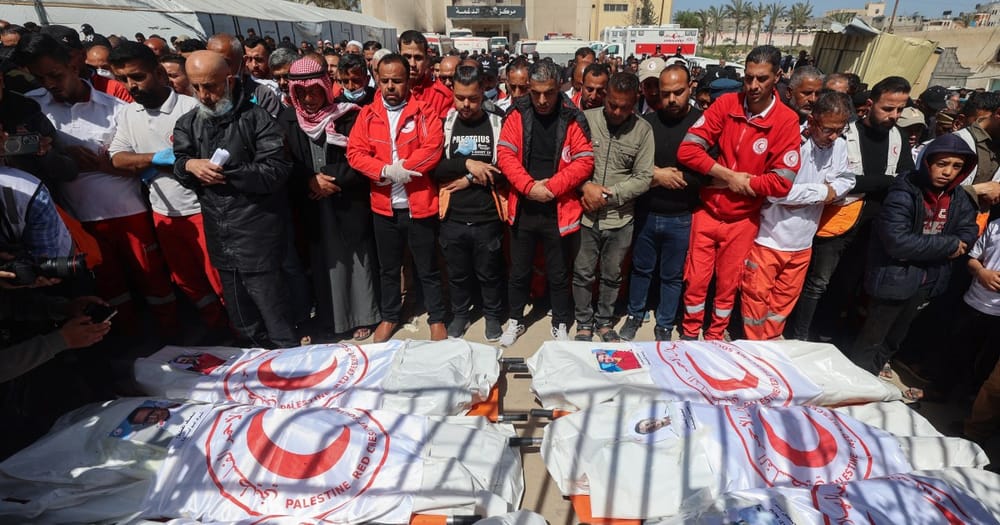
Healthcare workers who excavated the bodies of their colleagues from mass graves in Gaza say Israel has created an environment of impunity for attacks on medical facilities that has spread well beyond Gaza's borders, according to Al Jazeera English.
One year after Israeli forces buried medics alive during raids on hospitals across Gaza, the pattern of targeting healthcare infrastructure has become normalized in conflict zones from Lebanon to Sudan. The medics who survived those attacks — and who later dug up their colleagues — say the international community's failure to hold Israel accountable has sent a clear message: hospitals are now legitimate military targets.
The testimony comes as Al Jazeera English reports that attacks on healthcare workers and facilities have surged globally since Israel's systematic targeting of Gaza's medical system began. International humanitarian law explicitly protects hospitals and medical personnel during armed conflict, but enforcement mechanisms have proven toothless when major powers shield allies from accountability.
The excavation of mass graves containing healthcare workers represents one of the most documented violations of the Geneva Conventions in recent history. Forensic teams recovered bodies of doctors, nurses, and paramedics who had been killed while treating patients or detained during hospital raids. Some were found with their hands still bound. Others showed signs of execution-style killings.
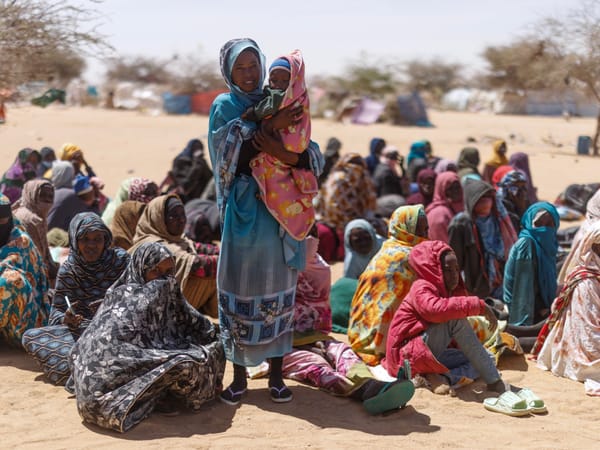
What makes this pattern particularly dangerous is not just the scale of violence against medical staff in Gaza — it's the precedent it sets. When a close U.S. ally can systematically target hospitals, detain medical personnel, and bury them in mass graves without facing meaningful international consequences, other governments take note. Israeli strikes on Lebanese medical facilities have already drawn war crimes allegations from UN rights officials, while drone warfare in Sudan has killed healthcare workers with increasing frequency.
The medics who excavated their colleagues describe a deliberate strategy to destroy Gaza's healthcare capacity. Hospitals were not caught in crossfire — they were targeted. Medical staff were not collateral damage — they were detained, interrogated about treating wounded civilians, and in some cases never seen again. The mass graves were not accidents of war — they were the result of systematic raids on functioning medical facilities.
International law is clear on this point: medical facilities lose their protected status only if they are used to commit "acts harmful to the enemy" outside their humanitarian function. Even then, attacking forces must issue warnings and allow time for evacuation. None of these conditions were met in Gaza's hospital raids, yet no enforcement mechanism has materialized.
The broader cost is a collapse in the international legal framework that has governed warfare since 1949. When healthcare workers can be buried alive and the world's response is diplomatic hand-wringing, the message to other conflict zones is unmistakable: the rules no longer apply if you have the right allies. The U.S. has even sanctioned UN officials for documenting war crimes, signaling that accountability itself is now treated as a hostile act.
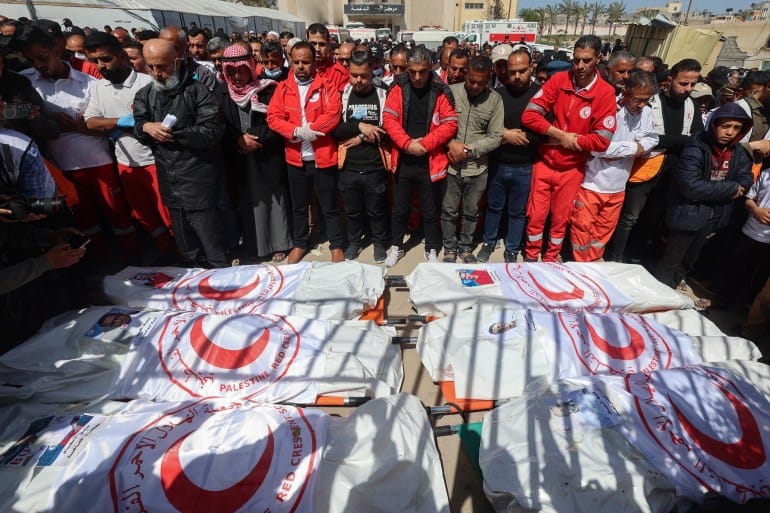
What the Gaza healthcare workers documented is not just a humanitarian catastrophe in one conflict zone — it's the active dismantling of international humanitarian law through impunity. Every government watching has learned that hospital attacks carry no consequences if you frame them as counterterrorism. Every military strategist has noted that medical infrastructure can be destroyed without triggering intervention. Every future conflict will test whether the protections that once shielded healthcare workers still exist in practice, or only on paper.
The medics who dug up their colleagues understand what has been lost. They excavated bodies from mass graves knowing that international law was buried there too. The question now is whether any mechanism exists to resurrect it — or whether the precedent of impunity has become permanent.