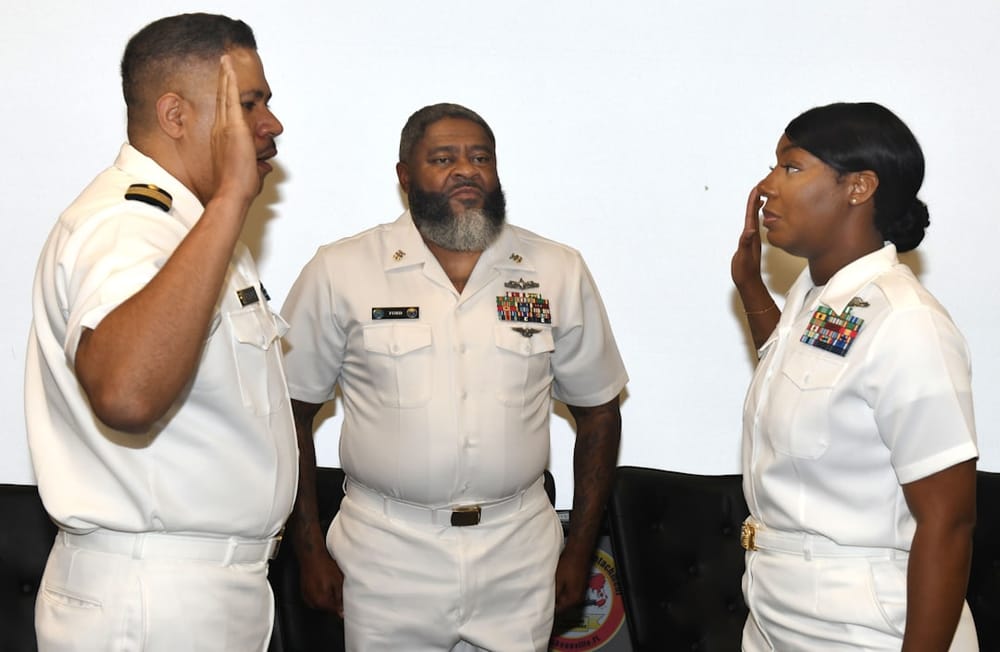
Defense Secretary Pete Hegseth struck four Army colonels from the list of officers selected for promotion to brigadier general — all of them either Black or female — after months of pressing senior Army leadership to remove their names, according to reporting from The New York Times that The Hill confirmed Friday.
The move marks the first documented case of the Pentagon's new leadership systematically targeting officers based on demographic characteristics that align with the administration's stated opposition to diversity programs. Hegseth had repeatedly demanded that Army Secretary Dan Driscoll remove the officers from the promotion list but was refused multiple times before taking unilateral action earlier this month.
The pattern is unmistakable: of the hundreds of colonels eligible for promotion to general officer ranks, Hegseth specifically targeted four — two Black officers and two female officers. No white male officers were removed from the list. The timing coincides with the administration's broader assault on military diversity initiatives, which Hegseth has characterized as "woke" policies that undermine readiness.
This selective culling of promotion lists represents a fundamental shift in how the military manages its officer corps. Historically, promotion boards operate with strict protocols designed to evaluate merit through standardized criteria. Officers selected for general officer ranks undergo extensive vetting through multiple review boards staffed by senior military leaders. For a civilian political appointee to override these recommendations based on demographic characteristics breaks decades of precedent.
The implications extend far beyond these four officers. The military's promotion system relies on the perception of fairness and merit-based advancement to maintain morale and effectiveness. When officers see promotions blocked based on race or gender rather than performance, it undermines the entire command structure. Black officers make up only 9% of the Army's general officer corps, while women represent just 12% — numbers that already lag behind their representation in the broader officer ranks.
Hegseth's intervention follows his recent crackdown on religious accommodation requests that disproportionately affected Sikh and Muslim service members, and the installation of Christian nationalist leadership at the Air Force Academy. Together, these actions paint a picture of systematic efforts to reshape the military's demographic composition under the guise of eliminating "DEI" programs.
The legal framework governing military promotions provides limited recourse for officers whose careers are derailed by political interference. Unlike civilian employment, military personnel cannot sue for discrimination in federal court. Their only option is to appeal through military channels — the same channels now controlled by the officials who blocked their promotions.
What makes this particularly striking is the specificity of Hegseth's targets. The Times reporting indicates he pressed for months to remove these particular officers, suggesting a deliberate selection process rather than a broader review of promotion standards. Army leadership's repeated refusals to comply indicate they found no performance-based justification for the removals.
The downstream effects will ripple through the ranks. Junior officers watching this process unfold are receiving a clear message about whose service is valued and whose advancement will face additional scrutiny. For Black and female officers who have spent decades building careers in an institution that already presents unique challenges for advancement, this signals that even reaching the highest levels of performance may not protect them from politically motivated interference.
Military readiness depends on attracting and retaining the best talent from all backgrounds. When promotion decisions shift from merit-based evaluation to demographic targeting, it doesn't just harm individual careers — it degrades the institution's ability to function. Officers who see their peers blocked from advancement despite exemplary records will question whether their own careers are secure.
The timing suggests this is only the beginning. With Hegseth now established in office and having successfully overruled Army leadership on promotions, similar interventions across other service branches seem likely. The message to military brass is clear: resist the new diversity purge at your own career risk.
For an administration that claims to prioritize military strength and readiness, systematically removing qualified officers based on race and gender represents a profound contradiction. The officers struck from the promotion list had already proven themselves through decades of service and multiple combat deployments. Their removal serves no operational purpose — only a political one.
The four officers whose promotions were blocked have not been publicly identified, following military protocol for personnel matters. But within the Army officer corps, their identities are known, and the message of their removal is being received. In an institution built on merit, tradition, and mutual trust, the injection of racial and gender politics into promotion decisions marks a dangerous new precedent that will echo through the ranks for years to come. The Pentagon's efforts to control the narrative around such decisions have drawn scrutiny as well, including its new restrictions on Stars and Stripes, the independent military newspaper, after Trump called it "woke."