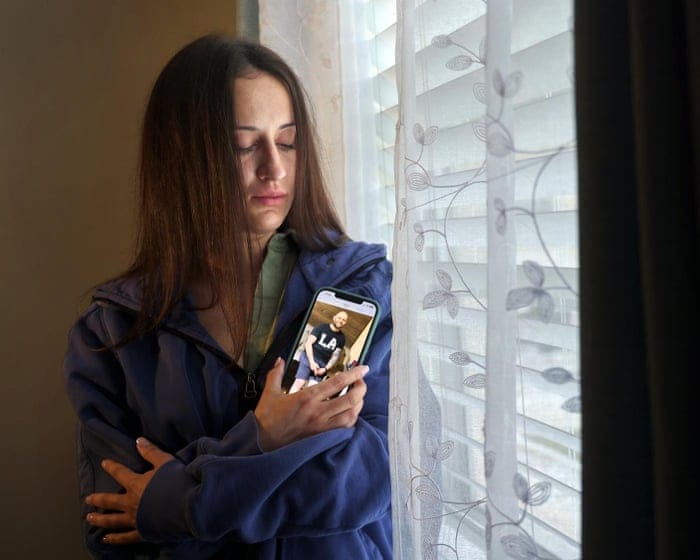
What does it mean when parents start planning for their own disappearance? In living rooms across the country, immigrant families are signing documents that read like end-of-life preparations: wills, guardianship papers, advance healthcare directives. They are not terminally ill. They are undocumented — and under the Trump administration's escalating deportation apparatus, that distinction increasingly feels like a death sentence.
A 42-year-old South American woman in south Florida sat at her kitchen table recently, according to The Guardian US, signing her will with trembling hands. Tears fell hard enough that she had to reprint the pages when the ink smeared. She called it preparing for "the end times" — not hyperbole, but a rational response to a policy environment designed to make her vanish without warning.
This is not about individual tragedy. This is about systemic terror as immigration enforcement strategy. When families feel compelled to write advance healthcare directives in case they die in detention, when parents designate guardians for children who might wake up one morning to find their mother or father simply gone, that is not an unfortunate side effect of border security. That is the point.
The Trump administration's immigration enforcement machine operates on the principle that fear works. Not just fear of deportation, but fear of family separation, fear of dying in custody without medical care, fear of children left behind with no legal guardian. The paperwork immigrant families are frantically assembling — powers of attorney, medical proxies, custody agreements — represents a rational calculus in an irrational system. If ICE can detain you indefinitely without notice, if you can be deported before your children come home from school, if detention facilities have documented patterns of medical neglect that result in preventable deaths, then yes, you need a will.
Immigration attorneys report a surge in requests for what they are calling "emergency family preparedness plans." These are not estate planning documents for wealthy clients distributing assets. These are custody agreements written by parents who make $15 an hour and are trying to ensure their children do not end up in foster care when — not if, but when — immigration enforcement comes for them. The legal language is clinical: designation of temporary guardian, consent for medical treatment, authorization for school enrollment. The human reality is parents trying to protect their children from the consequences of their own forced disappearance.
The scale of this preparation reveals the scale of the fear. Community organizations in cities with large immigrant populations report that "know your rights" workshops, once focused on what to do during an ICE encounter, now include sessions on drafting guardianship papers and creating emergency contact lists. Churches are holding legal clinics where families can notarize documents naming who will take their children if they are detained. Immigrant advocacy groups distribute templates for advance healthcare directives alongside information about detention facility locations.
This represents a fundamental shift in how undocumented immigrants navigate daily life in the United States. Previous administrations conducted deportations, sometimes at high volumes. But the current enforcement posture is qualitatively different: it is designed to be unpredictable, to target people with long-established ties to their communities, to separate families as a matter of policy rather than unfortunate consequence. The message is clear — no one is safe, no amount of community integration or years of residence provides protection, and the government will not tell you when or where enforcement will strike.
The consequences extend beyond the immediate terror. Children growing up watching their parents draft custody agreements absorb a lesson about their own disposability. Families spending limited resources on legal documents instead of rent or groceries make impossible choices between immediate survival and catastrophic preparation. Communities where everyone knows someone who has been detained or deported operate under a constant state of surveillance and self-censorship, afraid to access public services, report crimes, or participate in civic life.
And the system is working exactly as designed. When the goal is not just deportation but deterrence through fear, when the objective is to make life so precarious that people "self-deport" or never come in the first place, then forcing parents to write wills is not a bug. It is proof of concept. The cruelty is the strategy.
Progressive immigration reform has long focused on pathways to citizenship, protections for Dreamers, and humane border policy. But the current crisis demands a more fundamental reckoning with the infrastructure of enforcement itself. Calls to abolish ICE, once dismissed as fringe, gain moral clarity when the alternative is families planning for their own state-sanctioned disappearance. The question is not whether immigration enforcement should be reformed, but whether a system that requires parents to write wills can be reformed at all — or whether it needs to be dismantled and rebuilt from principles of human dignity rather than deterrence through terror.
What happens next depends on whether Americans are willing to see what is happening. Not the abstraction of "border security" or the political theater of "illegal immigration," but the concrete reality of parents crying over guardianship papers at kitchen tables, children memorizing emergency contact numbers in case their parents do not come home, families living in a permanent state of anticipatory grief. The Trump Administration Is Converting Airport Barracks Into Holding Cells for Migrant Children while immigrant parents across the country prepare legal documents as if planning their own funerals. The documents being signed in living rooms across the country are not just legal paperwork. They are evidence of a system that treats human beings as deportable, detainable, and ultimately disposable — and that treats the terror this creates as a feature, not a flaw.
The woman in south Florida who called it "the end times" was not being dramatic. She was being accurate. For families living under the constant threat of ICE enforcement, every day is a day they might vanish. Every school drop-off could be the last. Every goodbye could be permanent. Writing a will is not paranoia. It is preparation for a disappearance the government has promised to deliver. And when a policy forces people to plan for their own erasure, that is not immigration enforcement. That is state-sponsored terror, written in ink that smears when the tears fall too hard to stop.