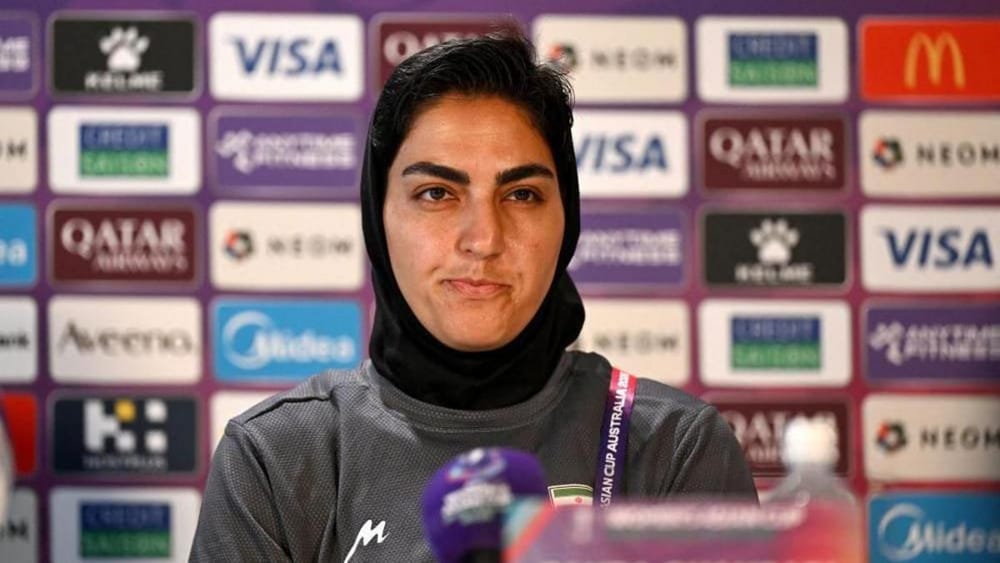
Five members of Iran's women's football delegation have abandoned their asylum claims in Australia and returned home, according to BBC News, with state media publicizing each reversal in what appears to be a coordinated messaging campaign. The athletes, including team captain Shiva Amini, initially sought protection after traveling to Australia for sporting events, but have now chosen to return under circumstances that remain opaque.
The pattern is striking: athlete seeks asylum, Iranian state media reports the reversal, athlete returns home. What happens between those first and final steps remains deliberately obscured. The Iranian government has offered no explanation for why athletes who feared returning home suddenly changed their minds, nor have the athletes themselves been permitted to speak freely about their decisions.
This isn't simply about seven football players. Iran has seen a wave of athletes seeking asylum abroad since the 2022 Woman, Life, Freedom protests, with sports figures becoming unexpected symbols of resistance. The regime's response has evolved from denial to a more sophisticated approach — publicly celebrating each return as a propaganda victory while keeping the mechanisms of persuasion hidden.
The timing matters. These reversals come as Iran faces renewed international scrutiny over its treatment of women athletes, who must compete under strict dress codes and face punishment for actions as simple as not wearing hijab during competitions. Just last year, Iranian climber Elnaz Rekabi sparked international concern when she competed without hijab in South Korea, later appearing at Tehran airport to claim it was unintentional — a statement human rights groups viewed with deep skepticism.
What pressure does the Iranian government apply to athletes abroad? Family members remaining in Iran represent obvious vulnerability points. The regime has a documented history of targeting relatives of dissidents overseas, from travel bans to imprisonment. When an athlete considers asylum, they're not just weighing their own freedom against return — they're calculating the potential cost to parents, siblings, and extended family who cannot leave.
The two athletes who haven't returned may offer the clearest window into these dynamics. Their continued absence suggests either stronger asylum claims, fewer family vulnerabilities, or simply more time needed for pressure to take effect. Australian immigration authorities have remained silent on the cases, bound by privacy laws that prevent disclosure of asylum proceedings.
State media's role deserves scrutiny. Rather than treating these returns as private matters, Iranian outlets have transformed each one into a public spectacle — broadcasting arrivals, publishing statements, creating a narrative of athletes "choosing" Iran over the West. This performative element serves dual purposes: warning other potential defectors while reassuring domestic audiences that Iranian athletes remain loyal despite Western "enticements."
The broader context includes escalating tensions between Iran and the West, with sanctions, military threats, and diplomatic isolation creating additional pressure on ordinary Iranians. For women athletes specifically, the situation has deteriorated since 2022, with increased surveillance, mandatory "morality" sessions, and restrictions on international travel.
International sports bodies face uncomfortable questions about their role. FIFA and other organizations continue to work with Iranian football authorities despite documented discrimination against women players. The fiction that sport remains separate from politics enables this collaboration, even as athletes risk their freedom simply by competing.
These reversals expose a system refined through repetition. The Iranian government has learned from past defections, developing methods to retrieve athletes that avoid the international embarrassment of public kidnapping or extradition battles. Instead, pressure gets applied through invisible channels — family visits from security services, frozen bank accounts, threatened prosecutions for "propaganda against the state."
The five women who returned face an uncertain future. Past patterns suggest they'll be paraded through state media initially, used as examples of athletes who "saw through Western lies." Then comes the quieter phase — restricted movement, mandatory appearances at government events, constant surveillance. Their football careers may continue, but under conditions that make clear the price of their return.
For the two still in Australia, each passing day brings mounting pressure. Their teammates' returns will be used as evidence they should follow suit. State media will speculate about their motives, family members may face increasing harassment, and the window for successful asylum claims could narrow as Australian authorities weigh diplomatic considerations against humanitarian obligations. The message to future athletes considering defection is unambiguous: even reaching safety abroad guarantees nothing when the regime holds your entire life network hostage.