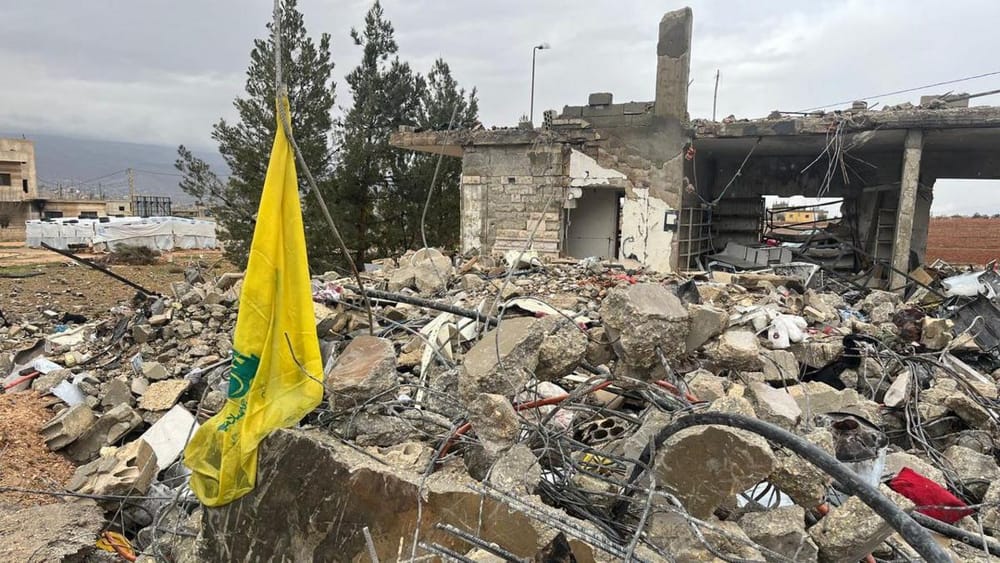
When the Israeli military strikes what it calls "terrorist infrastructure," the bombs don't ask who's sleeping inside. A BBC News visit to the aftermath of an Israeli strike in Lebanon documented a pattern that has defined this conflict: a family dead, relatives insisting they were civilians, and the Israel Defence Forces maintaining they hit a legitimate target.
The gap between these two realities—the IDF's claimed precision and the bodies of civilians pulled from rubble—reveals how modern military operations systematically blur the lines between combatants and civilians. When armies define "terrorist infrastructure" broadly enough, any home becomes a potential target, and any death becomes justified through classification.
The relative who spoke to the BBC was clear: those killed were civilians, not Hezbollah operatives. The IDF was equally clear: they were targeting terrorist infrastructure. Both statements can be true in a framework where military forces expand definitions of legitimate targets to include civilian areas suspected of any connection to armed groups. This isn't collateral damage—it's the predictable result of military doctrines that treat civilian spaces as extensions of the battlefield.
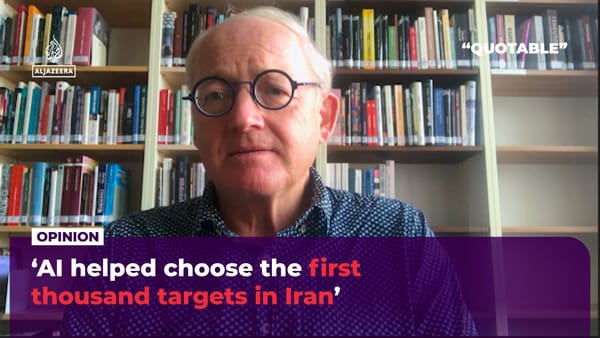
This strike fits a documented pattern across Israeli military operations in Gaza and Lebanon. Human rights organizations have repeatedly noted how the IDF's targeting procedures, while claiming adherence to international law, effectively lower the threshold for civilian harm. A home where a Hezbollah member once visited becomes "infrastructure." A building where equipment might be stored becomes a military target, regardless of the families living there. The same AI-powered targeting systems used in Gaza now operate in Lebanon, generating target lists faster than human oversight can properly vet them.
The BBC's on-the-ground reporting matters because it cuts through the sanitized language of military briefings. When journalists document the human aftermath—the grieving relatives, the destroyed homes, the insistence that these were ordinary people—they provide the counter-narrative to official statements about precision and necessity. Yet most Western media continues to report these strikes using the passive voice and official framing that obscures who is doing the killing and who is dying.
International humanitarian law is clear: militaries must distinguish between civilian and military targets. But when military forces unilaterally expand what counts as a military target, that distinction collapses. Every apartment building becomes dual-use. Every civilian death becomes unfortunate but justified. The burden of proof shifts from militaries to prove a target's legitimacy to civilians to prove their innocence—often posthumously, through the testimony of grieving relatives.
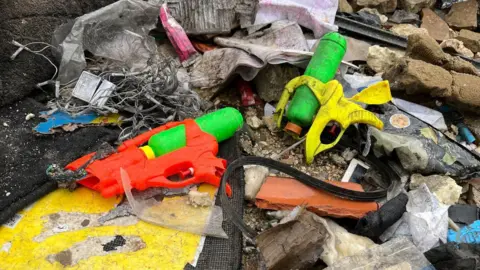
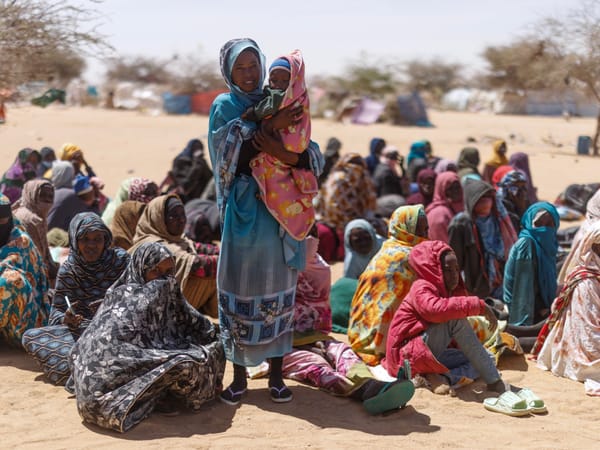
The human cost accumulates strike by strike. Each family killed, each relative who insists their loved ones were civilians, each military statement about targeting infrastructure—these individual tragedies build into a systematic erosion of civilian protection. When military operations treat civilian areas as legitimate battlefields, the principle that civilians should be protected from warfare becomes meaningless rhetoric.
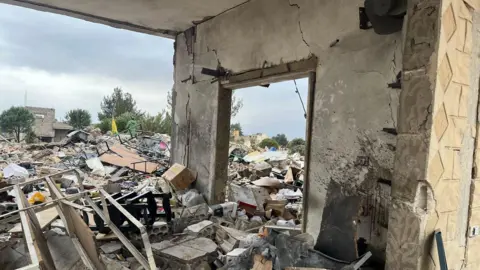
What's happening in Lebanon mirrors the escalating civilian casualties in conflicts across the region. As military technologies become more sophisticated, the promise of precision warfare recedes further. Instead, we see the expansion of targetable categories and the normalization of civilian deaths under the logic of counter-terrorism. The infrastructure being destroyed isn't just physical—it's the international legal framework meant to protect civilians from the machinery of war.