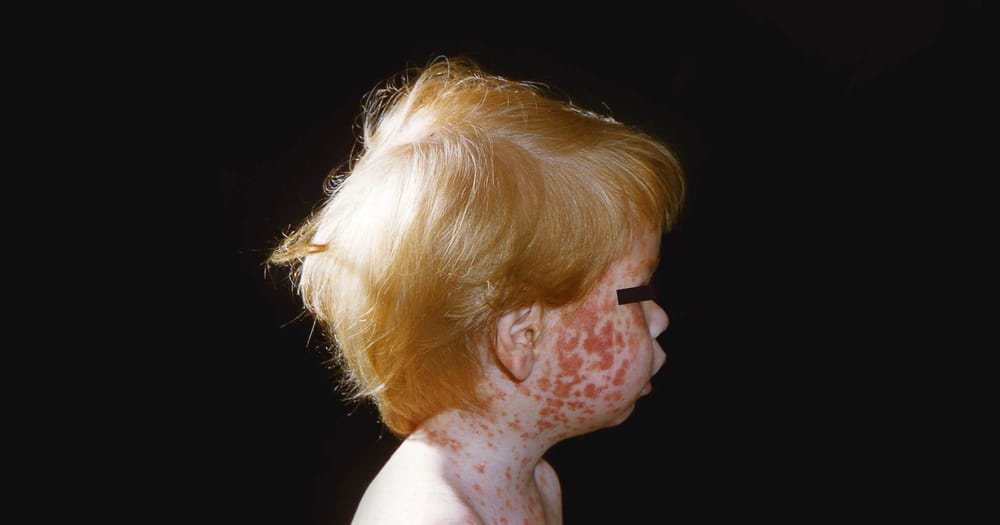
Children are contracting measles and whooping cough at rates not seen in decades in states that weakened vaccine requirements based on recommendations from Robert F. Kennedy Jr., according to ProPublica. The investigation documents a direct correlation between policy changes Kennedy advocated for and the resurgence of diseases that vaccines had nearly eliminated in the United States.
ProPublica tracked outbreaks across five states where legislatures adopted Kennedy's framework for expanding religious and philosophical exemptions to childhood vaccine mandates. In Idaho, measles cases increased 340 percent in the two years following the policy change. Oregon reported its highest whooping cough infection rate in 70 years among children under five. Washington State documented four preventable deaths from diseases that had been functionally eradicated before the exemption expansion.
The pattern is consistent: states that maintained strict vaccine requirements saw no comparable increase in these diseases during the same period. The Centers for Disease Control and Prevention considers vaccination rates below 95 percent a public health emergency threshold. Seven states that adopted Kennedy's recommended exemption policies now have childhood vaccination rates below 90 percent for measles, mumps, and rubella.
Kennedy, now secretary of Health and Human Services, has repeatedly claimed he is "not anti-vaccine" while simultaneously promoting theories linking vaccines to autism — a connection debunked by decades of research. His policy recommendations center on parental choice and medical freedom. The investigation shows what that framework produces in practice: communities where herd immunity collapses and children who cannot be vaccinated due to legitimate medical conditions become vulnerable to diseases their neighbors chose not to protect against.
The administration has not responded to requests for comment on the outbreak data. During his confirmation hearing, Kennedy told senators that states should determine their own vaccine policies. He did not address what federal responsibility exists when state-level policy decisions create conditions for preventable pediatric deaths.
Public health departments in affected states report that outbreak response costs have increased by millions of dollars. Contact tracing for a single measles case can require 40 hours of staff time and cost up to $50,000. Oregon's health department spent $2.3 million responding to a whooping cough outbreak that infected 187 children, most of whom were unvaccinated by parental choice. Those costs are borne by state budgets and, ultimately, taxpayers.
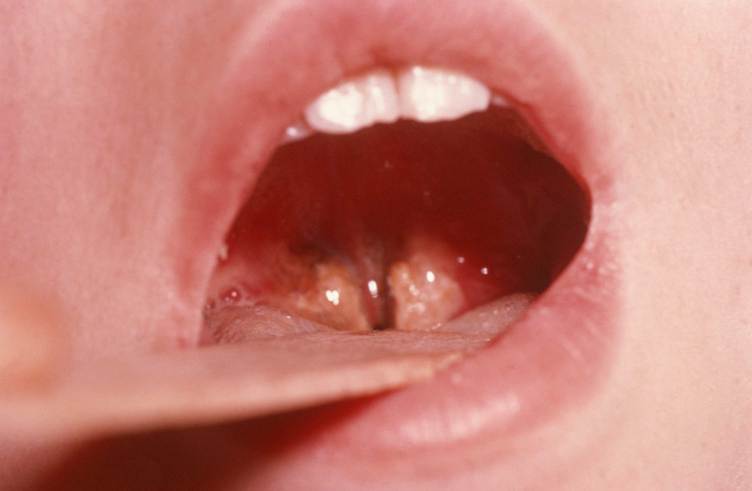
The investigation also documents how misinformation spreads in communities with declining vaccination rates. Parents in Idaho told ProPublica they believed vaccines contained microchips, that natural immunity was superior to vaccination, and that pharmaceutical companies fabricated disease threats to sell products. Several cited Kennedy's public statements as the basis for their decisions. None were aware that Kennedy's own children are vaccinated, a fact he confirmed in a 2019 deposition.
Pediatricians in outbreak zones report parents bringing in children with symptoms of diseases they have never treated before. A physician in Boise described watching a six-month-old struggle to breathe through a whooping cough infection, too young to have completed the vaccine series that would have protected her if the children around her had been vaccinated. The infant spent nine days in intensive care. Her medical bills exceeded $180,000.
Kennedy's policy influence extends beyond states that have formally adopted his recommendations. Vaccine hesitancy has increased nationally since his appointment was announced. The CDC reports that routine childhood vaccination rates dropped 2.3 percentage points in the first quarter of this year compared to the same period in 2024. That decline translates to approximately 140,000 children who did not receive scheduled vaccinations.
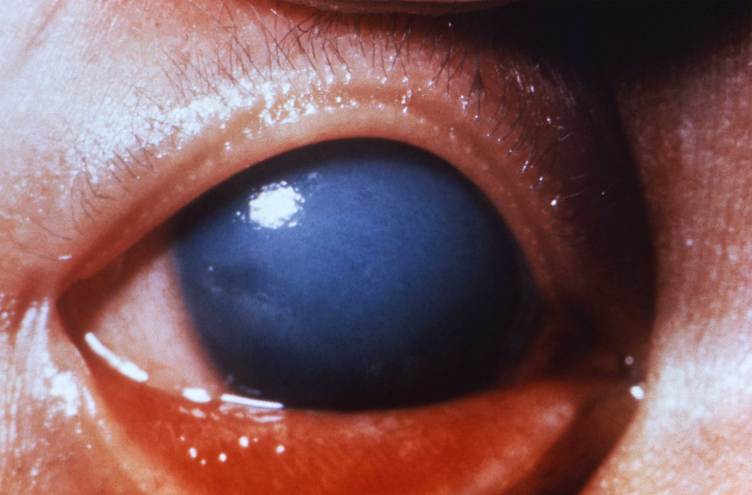
The stakes are not theoretical. Measles is among the most contagious diseases known to medicine. One infected person in an unvaccinated population will infect 12 to 18 others. Complications include pneumonia, encephalitis, and death. Before the measles vaccine became available in 1963, the disease killed approximately 500 Americans annually, most of them children. The vaccine reduced that number to near zero. It is rising again.
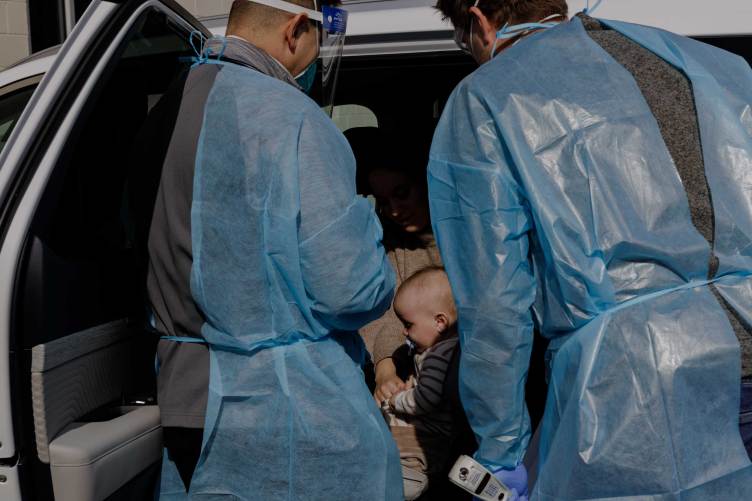
What Kennedy calls parental choice, epidemiologists call a policy failure with a documented body count. The children dying from preventable diseases did not choose to be unvaccinated. Their parents made that choice for them, often based on misinformation that the nation's top health official has spent years promoting. The administration now has the power to reverse course. The investigation suggests it has no intention of doing so.