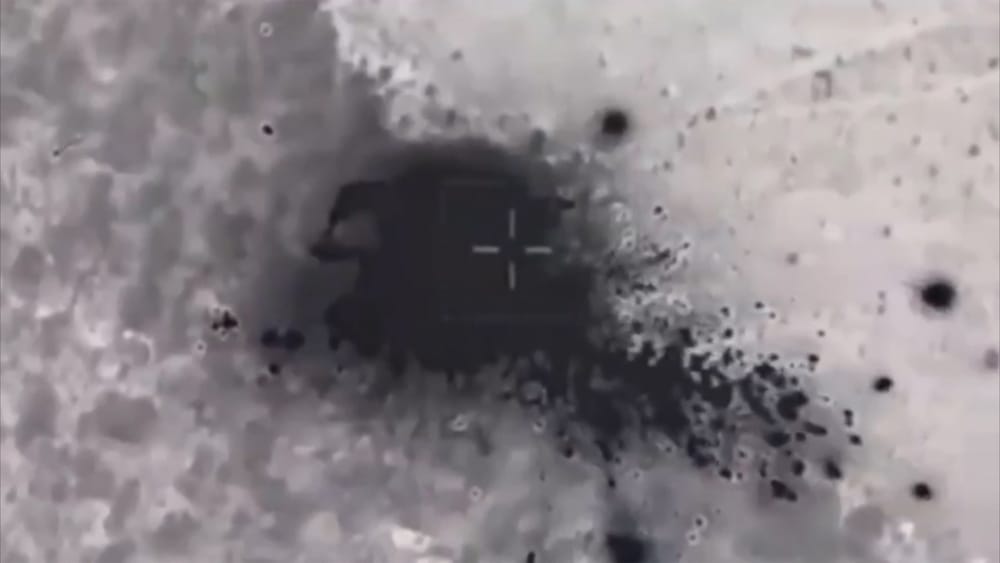
More than 200 people have been killed in Sudan by drone strikes in just over a week, according to a United Nations warning about escalating aerial warfare in a conflict that has already displaced millions and killed tens of thousands. Al Jazeera English reported that the UN is sounding the alarm about how drone technology is expanding the deadly front lines of Sudan's devastating civil war.
The death toll represents a sharp escalation in a conflict that began in April 2023 between the Sudanese Armed Forces and the paramilitary Rapid Support Forces. What started as a power struggle in Khartoum has metastasized into a nationwide humanitarian catastrophe that has received a fraction of the international attention directed at conflicts in Ukraine, Gaza, and now Iran. The introduction of sophisticated drone warfare marks a technological shift that is making an already brutal war even more lethal for civilians who have nowhere to hide.
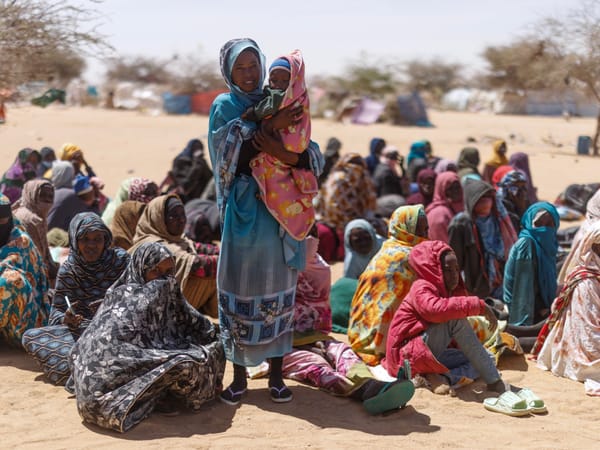
Sudan's war has killed an estimated 150,000 people and displaced more than 10 million — nearly a quarter of the country's population. The conflict has produced the world's largest displacement crisis, according to the UN. Yet coverage in Western media remains sparse and sporadic, typically surfacing only when death tolls reach levels that would dominate headlines if they occurred elsewhere. The pattern is consistent: conflicts in Africa receive less sustained attention, less diplomatic pressure, and less humanitarian funding than wars involving Western allies or adversaries.
The drone strikes are not random acts of violence. Both the Sudanese military and the RSF have acquired unmanned aerial vehicles from external suppliers, though the sourcing remains murky and underreported. The United Arab Emirates has been widely documented as a backer of the RSF, providing weapons and logistical support. Other regional powers have armed the Sudanese military. The result is a proxy conflict fueled by outside actors who face no accountability for the civilian death toll their weapons produce.
What makes the drone escalation particularly devastating is its impact on displacement patterns. Civilians who fled ground fighting in Khartoum and Darfur believed they had reached safety in camps and outlying areas. Drone strikes have now made those locations targets. Humanitarian workers report that the psychological toll of aerial bombardment — the constant threat from above — is driving people to flee even further into remote areas where aid cannot reach them. Famine conditions are already present in multiple regions.
The silence from major powers is not accidental. The United States has minimal strategic interest in Sudan compared to the Middle East. European nations are more concerned with preventing Sudanese refugees from reaching their borders than with stopping the war that creates them. The African Union has issued statements but lacks the leverage to impose a ceasefire. The UN Security Council remains gridlocked, with members unwilling to confront the external backers fueling both sides.
Compare the international response to Sudan with the diplomatic frenzy over Iran's escalating war or the sustained attention to Ukraine. The disparity is not about the scale of suffering — it is about whose suffering is deemed to matter. When oil flows or NATO borders are threatened, the world mobilizes. When Black and Brown civilians die in a country with no strategic resources, the death toll becomes a footnote.

The UN warning about drone warfare should be understood as a plea for attention that will likely go unheeded. Without sustained international pressure, the conflict will continue to escalate. The parties have no incentive to negotiate when their external backers continue supplying weapons. Humanitarian organizations are already operating at the edge of their capacity, a pattern seen elsewhere as patients await medical evacuation in other conflict zones while the world's attention remains fractured. The window for preventing a complete state collapse in Sudan is closing, and the world is looking elsewhere.