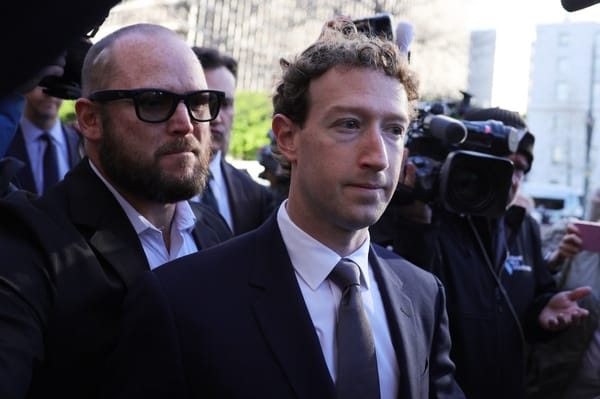
Every June, the logos go rainbow. Every other month, queer creators are demonetized, trans users are harassed off platforms, and LGBTQ+ content is quietly buried. This is not a contradiction — it is a business model.

The White House is mixing real Iran war footage with video game and action movie clips in official social media videos — gamifying human suffering for engagement.
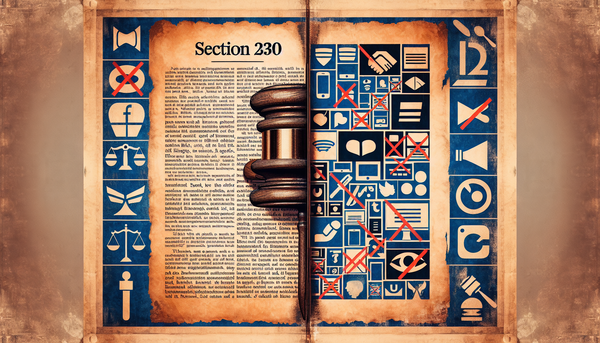
Section 230 protects platforms from liability for user content — and both parties want it gone. Here's what the law actually does and why changing it could break the internet.
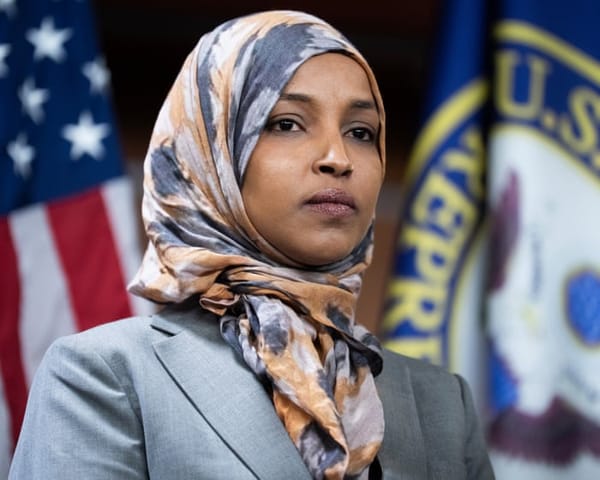
Fox News, the New York Post, and other major outlets published false reports about Ilhan Omar based on an unverified X account, revealing how mainstream media launders disinformation into news.

Columbia Journalism Review documents how Israel's military censor unit controls thousands of news stories each year — and how some journalists have internalized state approval as professional validation rather than a threat to press freedom.
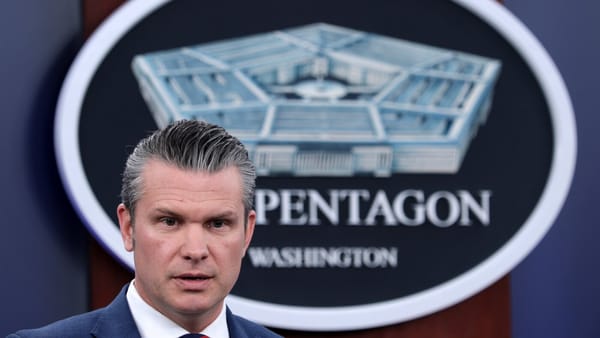
A federal judge struck down Pentagon restrictions requiring media organizations to pledge not to gather information without official authorization, ruling the policy violated the First Amendment.

The Trump administration sanctioned UN Special Rapporteur Francesca Albanese for documenting Gaza war crimes, marking an unprecedented attack on international human rights mechanisms and free speech.

A new wave of lawsuits targets tech platforms for addictive design features rather than harmful content — a legal strategy that bypasses Section 230 and could finally hold companies accountable for engineering products that harm children.
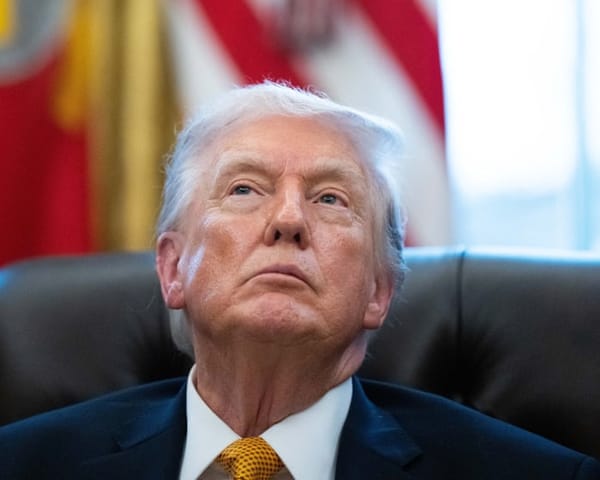
Trump's shift from calling journalists 'enemies' to demanding treason prosecutions for war reporting follows the authoritarian playbook that destroyed press freedom in Russia, Turkey, and the Philippines.
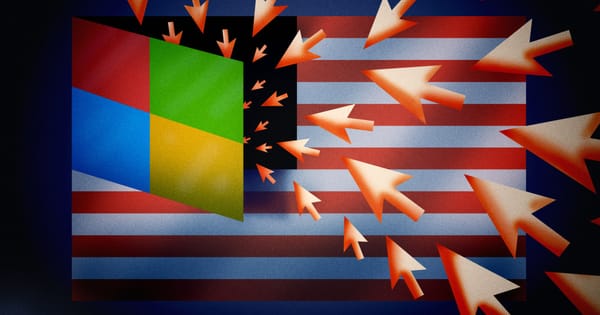
Federal auditors privately called Microsoft's cloud platform fundamentally insecure, then approved it for sensitive government use anyway — a ProPublica investigation reveals how political pressure overrode cybersecurity warnings.

Three major outlets covered March Madness, golf championships, and international baseball without once examining what these competitions reveal about their societies — a telling surrender of sports journalism's cultural responsibility.
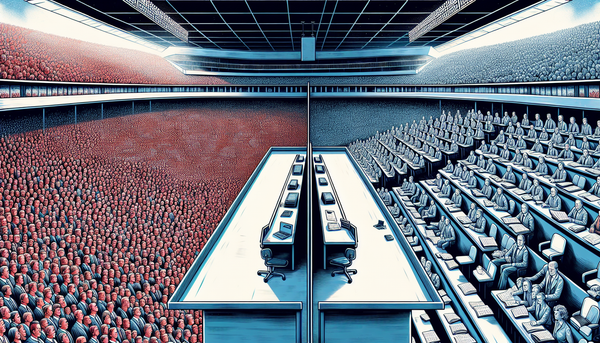
As the Strait of Hormuz crisis deepens, U.S. media focuses on Trump's NATO threats while regional outlets document civilian missile strikes and desperate diplomatic efforts — revealing whose lives count in international coverage.

Universities are forcing handwritten exams to prevent AI cheating, but the 'solution' discriminates against disabled students, multilingual learners, and anyone taking online classes.

AI companies like Palantir and Anduril sell targeting systems used in Gaza and Iran, killing thousands of civilians. They're defense contractors hiding behind tech branding—and the regulatory failure is already lethal.