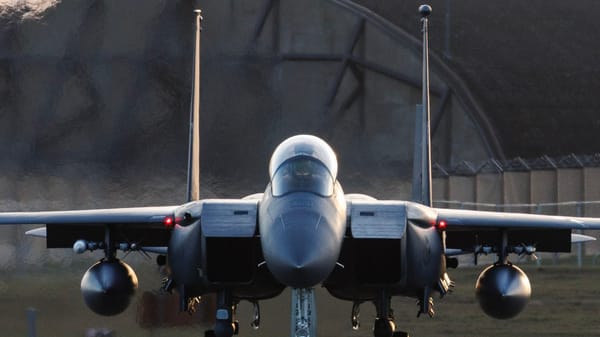
An F-15E Strike Eagle shot down over Iran is the first U.S. aircraft lost to enemy fire in the current conflict — and direct evidence that the administration's public case for this war was built on a false premise about Iranian military capability.
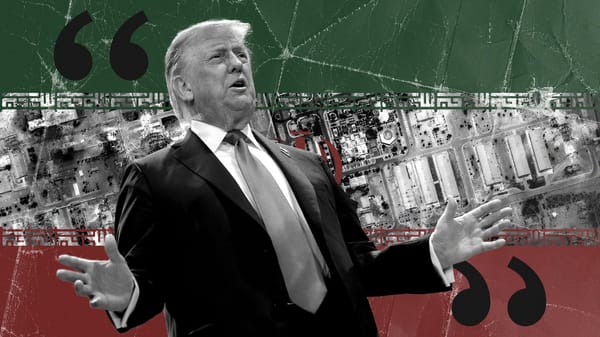
Trump admits he won't call Iran a 'war' because Congress would need to approve it — exposing how executive power has rendered constitutional checks meaningless.
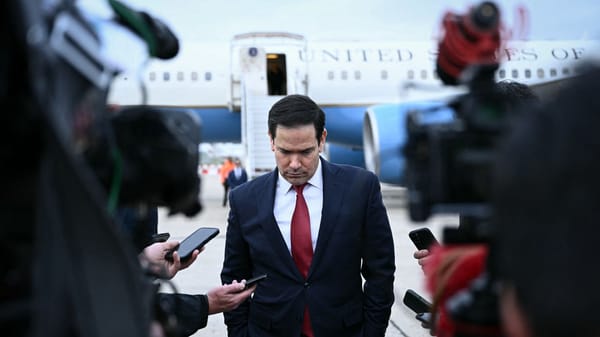
The Secretary of State's admission to G7 allies that the Iran war will extend beyond Trump's original timeline exposes an administration with no clear victory conditions, just arbitrary deadlines that shift with political convenience.
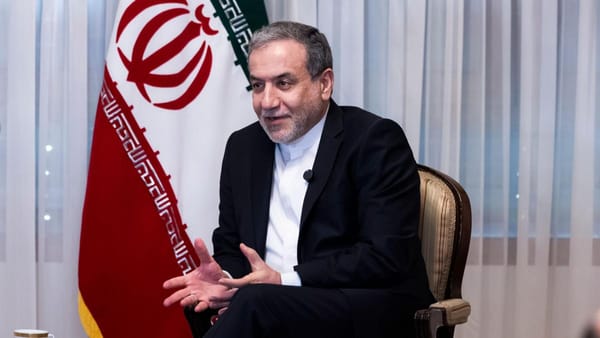
Iran warns Britain that hosting US military operations makes it a legitimate target, forcing London to confront the Iraq War dilemma again as regional conflict expands.
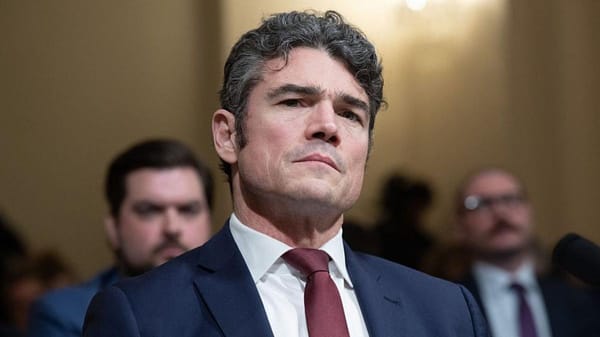
A former counter-terrorism chief who resigned over the Iran war faces FBI investigation within 72 hours of stating the country posed 'no imminent threat' — the latest intelligence official targeted for challenging war justifications.

Pentagon planners tell The Intercept a war with Iran could cost $3 trillion, burdening three generations with debt while Congress skips authorization debates entirely.
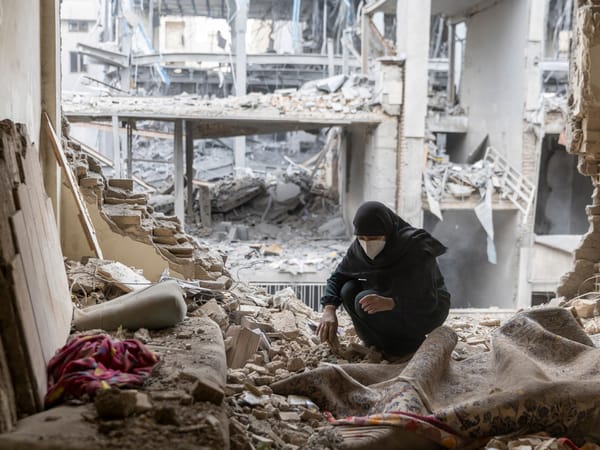
The U.S. has spent $12 billion on military operations against Iran without congressional authorization. The war's costs are spiraling, its objectives remain undefined, and constitutional oversight is absent.
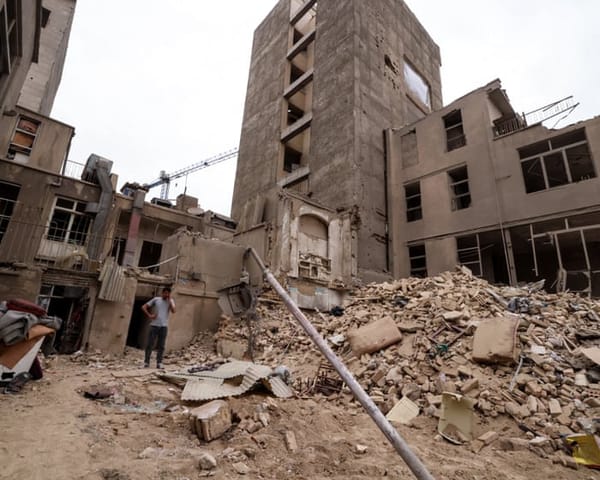
Trump's comment that 'maybe we shouldn't even be there' exposes a president who ordered strikes on Iran without understanding why — while American forces die for objectives he can't explain.
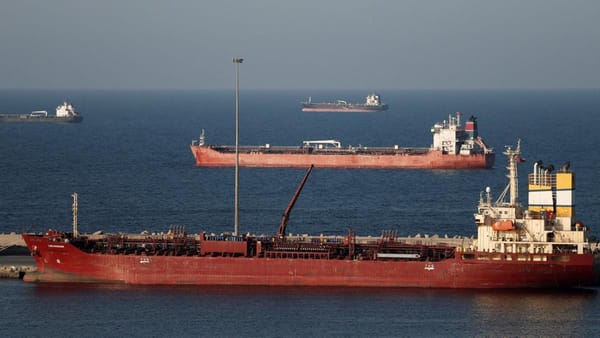
A phone call about 'global shipping' reveals how the UK is being pulled into Trump's Iran confrontation without parliamentary debate or public consent.
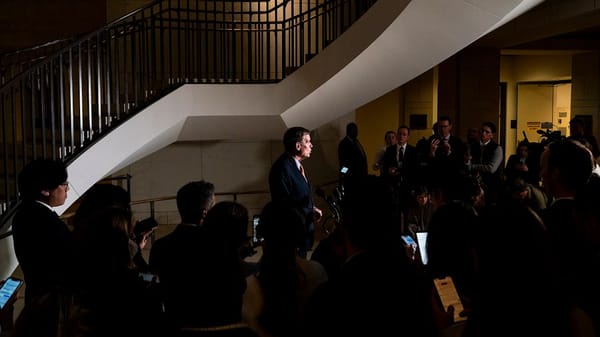
Senator Warner's call for investigating a deadly school strike while supporting the war that enables it reveals how even skeptical lawmakers legitimize permanent military action by focusing on tactics rather than strategy.