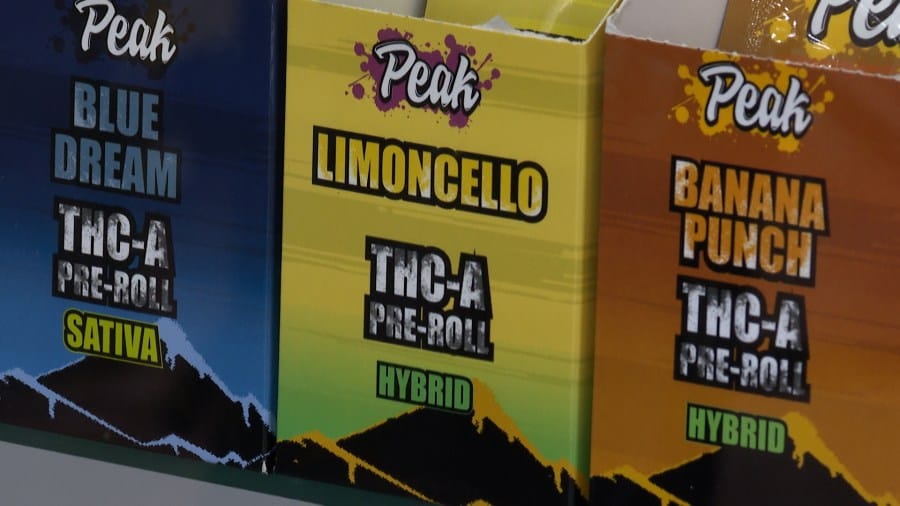
The Texas Department of State Health Services just signed the death warrant for thousands of small businesses across the state. Starting March 31, intoxicating hemp products — the same ones that have been legally sold in Texas smoke shops for years — will become contraband overnight, according to The Hill.
This isn't about public health. If Texas politicians cared about protecting citizens from intoxicating substances, they'd start with the drug that kills 5,000 Texans every year: alcohol. Instead, they're destroying a hemp industry that has created an estimated 20,000 jobs statewide, from farmers to retailers to manufacturers, while the beer and liquor companies that donated $3.7 million to Texas politicians in the last election cycle continue business as usual.
The new rules don't just ban products — they drastically increase licensing fees for the businesses that survive, creating a regulatory moat that only well-capitalized operations can cross. It's the same playbook states have used with cannabis legalization: make the rules so expensive and complex that only corporate players can afford to comply, while the small entrepreneurs who built the industry get pushed out.
Hemp shop owners across Texas are scrambling to figure out what happens to their inventory, their leases, their employees. Many opened their businesses precisely because hemp offered a legal alternative to cannabis in a state where possession of a joint can still land you in jail. They followed the rules, paid their taxes, served their communities. Now the state is pulling the rug out from under them with less than three months' notice.
The timing reveals the political calculation. Texas Republicans need a win on "drug enforcement" after years of focusing their enforcement apparatus on migrants rather than actual public safety threats. Crushing small hemp businesses lets them claim they're "tough on drugs" without touching the real drug dealers — the alcohol distributors who pour money into campaign coffers.
Consider the absurdity: A Texan can walk into any gas station and buy enough alcohol to kill themselves ten times over. But come March 31, buying a hemp gummy that might help them sleep will be illegal. The state that prides itself on "freedom" and "small government" is using the full force of regulation to protect one intoxicating industry while destroying another.
This is what regulatory capture looks like at the state level. The alcohol lobby doesn't have to compete with hemp products on a level playing field — they can simply buy regulations that eliminate the competition. The Texas Restaurant Association, which represents alcohol-serving establishments, has lobbied against hemp legalization for years. Their investment in Texas politicians just paid off.
The workers who will lose their jobs come March don't have lobbyists. The farmers who planted hemp crops don't have PACs. The shop owners who invested their savings in a legal business don't golf with state legislators. They're about to learn that in Texas, "free market" only applies if you can afford to buy your freedom from the politicians who control the market.
What makes this particularly cruel is that many hemp entrepreneurs are people who've been harmed by the war on drugs — veterans using CBD for PTSD, people with criminal records from cannabis possession who finally found a legal path in the industry. Just as immigrant families are forced to plan for family separation, these business owners now have to plan for financial destruction, not because they broke any law, but because the law changed to protect more powerful interests.
Texas just showed every small business owner in the state exactly where they stand. Your industry exists at the pleasure of whoever can afford to buy the most politicians. The message is clear: stay small, stay vulnerable, and when a bigger industry wants your market share, prepare to be regulated out of existence.