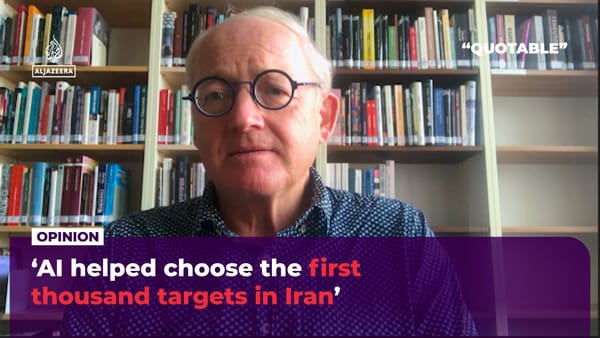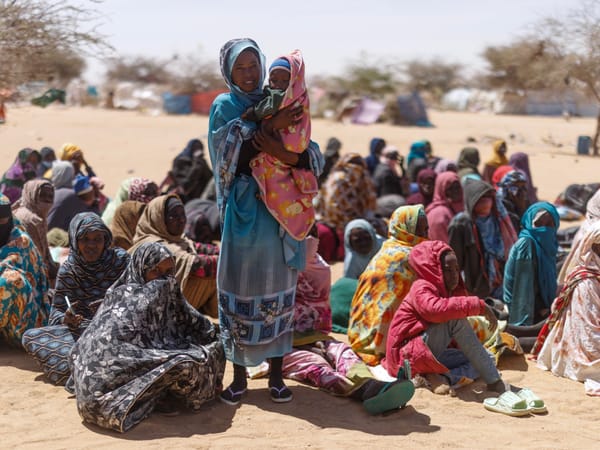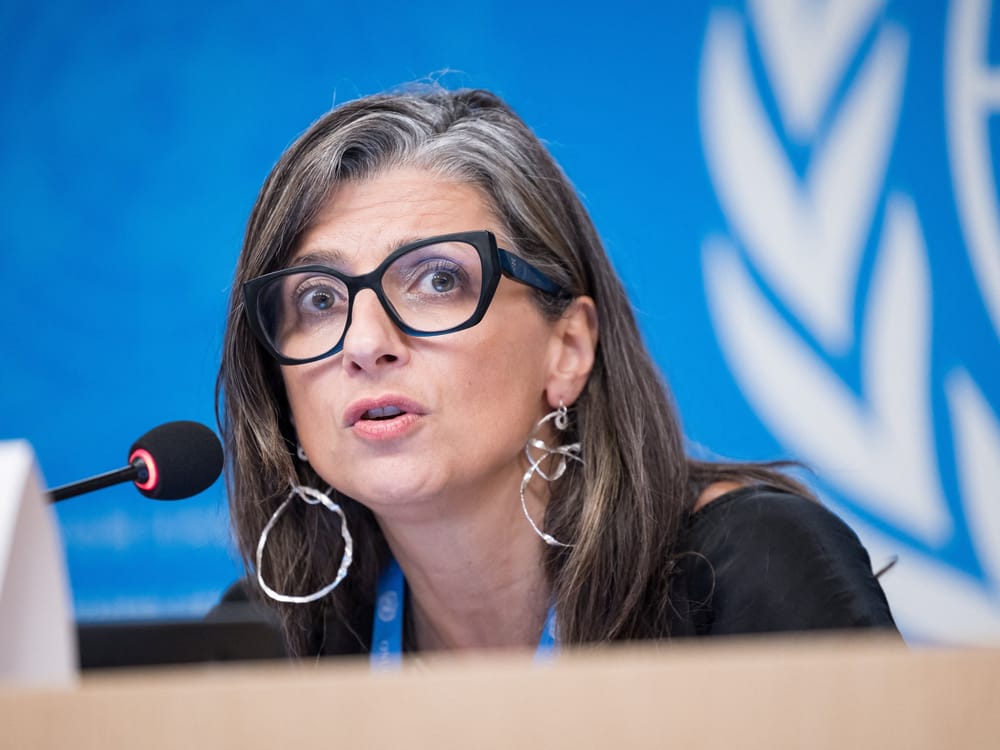
Israel is systematically torturing Palestinians in detention facilities as a form of "punitive collective vengeance," according to a new report by UN Special Rapporteur Francesca Albanese. Al Jazeera English reported that Albanese's findings describe torture being used "on unprecedented scale" — not as isolated abuse by individual guards, but as deliberate state policy.
The report arrives as international legal scrutiny of Israel's conduct intensifies. Albanese, who serves as the UN's independent expert on human rights in the occupied Palestinian territories, has documented patterns of abuse that violate the Geneva Conventions' absolute prohibition on torture. Her findings describe a detention system where physical violence, sexual humiliation, and psychological degradation are routine rather than exceptional.
What distinguishes this report from previous documentation is its characterization of torture as systematic policy. Albanese does not describe individual acts of cruelty by rogue actors. She describes a detention apparatus designed to inflict suffering on a civilian population. The phrase "punitive collective vengeance" is specific: it suggests torture is being used not to extract information or maintain order, but to punish Palestinians as a group for the actions of others.
The scale Albanese documents is unprecedented in her tenure. Thousands of Palestinians have been detained since October 2023, many without charge or trial under Israel's administrative detention system. The report indicates that torture has become standard practice across multiple detention facilities, suggesting coordination rather than isolated incidents. This meets the legal definition of systematic abuse — a pattern of conduct authorized or tolerated by those in command.
International law is unambiguous on torture. The Convention Against Torture, which Israel has ratified, permits no exceptions. Not during war. Not for security purposes. Not in response to attacks. The absolute nature of the prohibition means that documentation of systematic torture creates legal obligations for other states. Countries that continue military aid or diplomatic support to Israel while this abuse is documented face questions about their own complicity under international law.
Albanese's report will likely be dismissed by Israeli officials as biased — a response that has become routine when UN experts document violations. But the legal standard for torture does not depend on the political sympathies of the documenter. It depends on evidence: witness testimony, medical records, patterns of injury, corroborating accounts. The report's findings will be tested not by whether Israel's government accepts them, but by whether other states treat systematic torture as the legal crisis it represents.
The timing matters. Israeli military operations in Gaza have killed tens of thousands of civilians while international legal mechanisms struggle to enforce accountability. Albanese's documentation of torture in detention facilities adds another layer to a growing body of evidence that Israel's conduct in the occupied territories violates core principles of international humanitarian law. The question is whether states that claim to uphold those principles will act on that evidence — or continue to treat Palestinian suffering as an acceptable cost of maintaining political alliances.