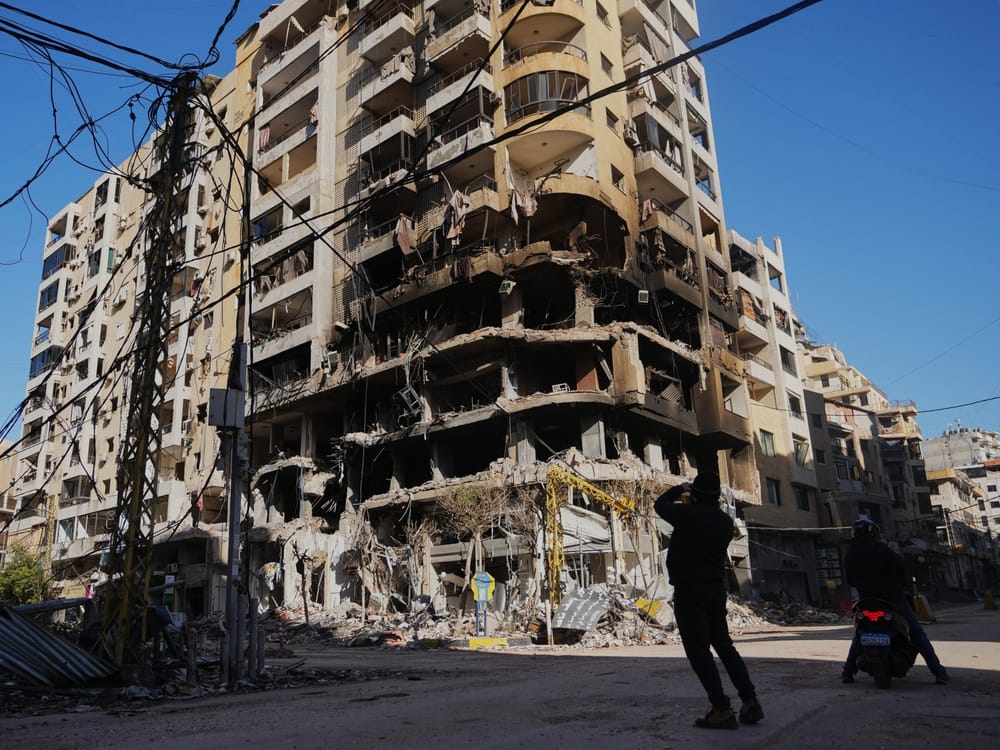
The United Nations human rights office has determined that Israeli military strikes on Lebanon may constitute war crimes, citing evidence that civilian populations and civilian infrastructure are being deliberately targeted. Al Jazeera English reported that the assessment comes as Israeli forces have resumed large-scale bombing campaigns across southern Lebanon and Beirut's southern suburbs.
"Deliberately attacking civilians, civilian objects amounts to war crime," the UN Office of the High Commissioner for Human Rights stated in its announcement. The determination carries legal weight: under international humanitarian law, attacks that intentionally target non-combatants or fail to distinguish between military and civilian targets violate the Geneva Conventions. The UN assessment documents a pattern of strikes on residential buildings, medical facilities, and infrastructure with no apparent military function.
The timing of the UN statement is significant. Israeli operations in Lebanon have intensified over the past two weeks following a period of relative calm. According to Lebanese health ministry figures cited by Al Jazeera, at least 127 civilians have been killed in the current escalation, with more than 400 wounded. The majority of casualties are women and children — a demographic pattern that undermines Israeli military claims that strikes are precision-targeted against Hezbollah positions.
What makes this a war crime rather than collateral damage is intent and proportionality. The UN rights office assessment hinges on documented evidence that Israeli forces are either deliberately targeting civilian sites or conducting strikes with reckless disregard for civilian life. International law requires militaries to take all feasible precautions to minimize civilian harm. When strikes consistently hit homes, hospitals, and schools — and when the ratio of civilian to combatant deaths is overwhelmingly skewed — the legal presumption shifts from accident to policy.
The broader context matters here. Israel has conducted military operations in Lebanon for decades, most notably the 2006 war that killed more than 1,200 Lebanese civilians. Human Rights Watch and Amnesty International documented war crimes in that conflict as well, including the use of cluster munitions in civilian areas. The current UN assessment suggests that the patterns identified nearly two decades ago have not been corrected — they have been repeated. A recent strike killed an entire Lebanese family, raising questions about how Israeli forces distinguish between civilian and military targets.
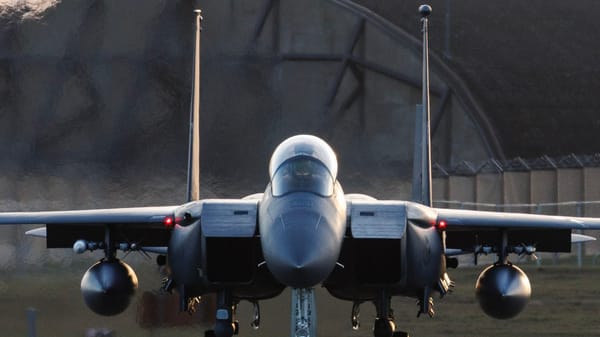
The accountability framework for war crimes exists, but enforcement is weak. The International Criminal Court has jurisdiction over crimes committed in Lebanon if referred by the UN Security Council or if Lebanon itself becomes a state party to the Rome Statute. Neither is likely in the near term. The United States, Israel's primary military backer, holds veto power at the Security Council and has historically blocked resolutions that would subject Israeli military actions to international legal scrutiny. The same pattern plays out in U.S. military operations across the region, where billions in war funding flows without congressional authorization or accountability mechanisms.
What the UN rights office assessment does is create an official record. When international legal bodies document war crimes, that documentation becomes part of the evidentiary foundation for future prosecutions, civil suits, and diplomatic pressure. It also serves as a benchmark for other governments deciding whether to continue arms sales or military cooperation with states accused of systematic violations. Several European nations have already suspended weapons exports to Israel over concerns about Gaza. The Lebanon assessment adds another legal basis for those decisions.
The question now is whether any government with leverage over Israel will use it. The UN can document. It cannot enforce. Enforcement requires political will from states that provide Israel with military aid, diplomatic cover, and access to international markets. The United States supplies $3.8 billion in annual military assistance to Israel under a memorandum of understanding that contains no enforceable human rights conditions. Until that changes, UN assessments of war crimes will remain documentation without consequence — a record of what happened, but not a mechanism to stop it from happening again.