The U.S. Embassy in Havana needs diesel to keep its lights on. The Cuban government, facing a fuel crisis directly caused by American sanctions, told them no. The Hill reports that Cuban officials rejected the embassy's request to import diesel for its generators, calling the appeal "shameless" given that U.S. policies created the shortage in the first place.
The contradiction is stark: Washington imposed a fuel blockade on Cuba earlier this year, cutting off the island's access to international energy markets. Now American diplomats want special permission to bypass the very crisis their government engineered. The Cuban Foreign Ministry's response was unequivocal—if the embassy wants fuel, it can experience the same shortages that 11 million Cubans face daily.
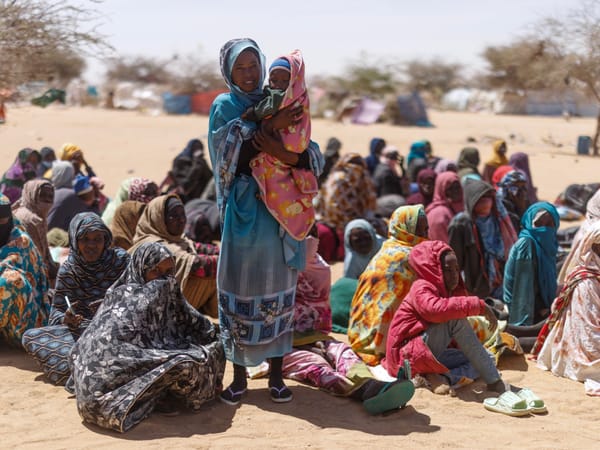
This isn't just diplomatic theater. The fuel shortage has real consequences across Cuba. Hospitals struggle to power life-saving equipment. Public transportation has been slashed. Rolling blackouts hit residential neighborhoods for hours each day. The blockade doesn't distinguish between government buildings and pediatric wards—it starves them all equally.
The timing makes the embassy's request particularly galling. Just months after the Trump administration tightened the embargo to include stricter fuel restrictions, U.S. officials expected Cuba to make an exception for American diplomatic comfort. The request reveals how sanctions are designed: to inflict maximum suffering on civilian populations while maintaining carve-outs for U.S. interests.
Cuba's fuel crisis connects directly to broader U.S. sanctions policy. When energy prices soared after Pentagon strikes on Iran, the administration doubled down on embargoes against countries it considers adversaries. The strategy assumes that economic pain will force political change. Six decades of the Cuban embargo suggest otherwise—the government endures while ordinary people suffer.
The State Department defended the embassy's request as a routine diplomatic matter. But there's nothing routine about asking for special fuel access while maintaining policies that deny that same fuel to cancer patients and schoolchildren. The embassy needs diesel for its generators, communications equipment, and climate control systems. Cuban hospitals need it for ventilators and surgical equipment.
International humanitarian organizations have documented the embargo's devastating health impacts. A 2023 Oxfam report found that medicine shortages—exacerbated by the fuel crisis that prevents reliable cold-chain storage—contribute to preventable deaths across the island. The American Association for World Health concluded that the embargo's health effects violate international humanitarian law.
The embassy's diesel request also exposes the fiction that sanctions target governments rather than people. If the blockade truly aimed to pressure Cuban leadership, why would U.S. diplomats need an exemption? The answer is obvious: sanctions are collective punishment, and even their architects know the human cost is unbearable.
This pattern repeats wherever the U.S. imposes comprehensive sanctions. In Iran, Venezuela, and Syria, American policies create humanitarian crises while maintaining exceptions for U.S. commercial and diplomatic interests. The strategy maximizes civilian suffering while minimizing inconvenience for American personnel and businesses operating in these countries.
Cuba's rejection of the embassy request represents more than diplomatic defiance. It forces Washington to confront the reality of its own policies. If U.S. diplomats can't function without fuel, how can they expect 11 million Cubans to do so? The embassy will likely find alternative arrangements—perhaps shipping diesel from Guantanamo Bay or securing a waiver from its own government's restrictions.
Meanwhile, Cuban doctors perform surgery by candlelight when generators fail. Families cook with wood when gas runs out. The elderly and disabled struggle without elevator access during power cuts. These aren't unintended consequences—they're the predictable result of using energy access as a weapon.
The Biden administration inherited these policies and has maintained them despite campaign promises to revisit Cuba relations. While quietly normalizing relations with Venezuela's Maduro regime, Washington keeps maximum pressure on Cuba. The inconsistency suggests that humanitarian concerns take a back seat to Florida electoral politics.
The fuel blockade's effectiveness as a political tool remains doubtful. Cuba has survived worse shortages and longer isolation. What's certain is the human toll: every day without reliable power means medications spoil, medical equipment fails, and preventable tragedies multiply. The embassy's diesel request inadvertently highlights this reality.
As Washington decides whether to grant its diplomats a fuel exemption, 11 million Cubans don't have that luxury. They'll continue facing blackouts, transportation failures, and medical emergencies without adequate power. The blockade ensures their suffering continues—by design, not accident. The embassy's generators may eventually get their diesel, but that won't change the fundamental cruelty of weaponizing energy access against an entire population.