The U.S. military campaign against Iran has triggered an energy crisis across Asia that is forcing countries to abandon climate commitments and return to coal power. NPR News reported that liquefied natural gas supplies have collapsed as shipping routes through the Strait of Hormuz remain closed, leaving nations with no alternative but to reactivate coal plants they had scheduled for decommissioning.
The contradiction is stark: countries that spent the last decade building renewable infrastructure and phasing out coal are now reversing course not because of domestic policy failure, but because American military adventurism has made cleaner fuel inaccessible. Japan, South Korea, and Taiwan — three of Asia's largest LNG importers — have collectively restarted 47 coal-fired power plants in the past two weeks, according to NPR News. These are not temporary measures. Coal infrastructure, once reactivated, tends to remain operational for decades due to the sunk costs involved.
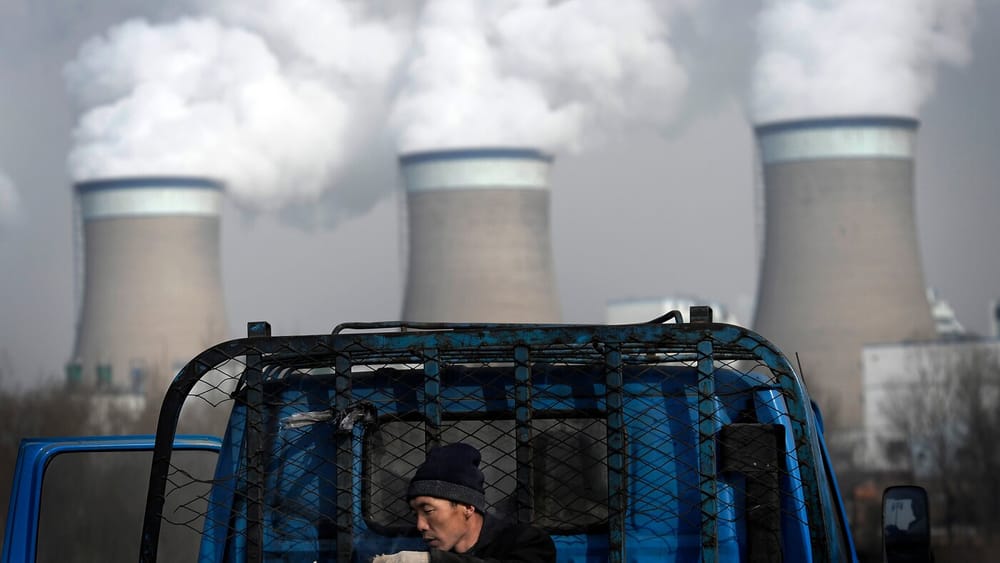
Analysts warn that the shift will worsen air pollution across densely populated urban centers. Coal combustion produces not only carbon dioxide but also particulate matter, sulfur dioxide, and nitrogen oxides — pollutants directly linked to respiratory disease and premature death. The World Health Organization estimates that air pollution already kills 7 million people annually, with the majority of deaths occurring in Asia. The return to coal will push that number higher.
The energy crisis also exposes the fragility of climate progress when it depends on stable global trade. Countries that invested billions in LNG import terminals and natural gas power plants did so on the assumption that fuel supplies would remain accessible. That assumption has collapsed. The ongoing U.S. bombing campaign has made the Persian Gulf a no-go zone for commercial shipping, and insurance companies have stopped covering tankers attempting the route. The result: Asia's energy transition has been derailed by a war it did not start and cannot control.
This is not the first time American military action has undermined global climate efforts. The invasion of Iraq in 2003 disrupted oil markets and delayed investments in renewable energy as governments prioritized fuel security over emissions reductions. The current crisis follows the same pattern, but the stakes are higher. The Intergovernmental Panel on Climate Change has made clear that the world must cut emissions by 43 percent by 2030 to avoid catastrophic warming. Reactivating coal plants in Asia moves the needle in the opposite direction.
The human cost is immediate and measurable. Coal-fired power plants in South Korea's industrial belt are already reporting increased emissions, and air quality indices in Seoul have spiked to hazardous levels. In Japan, communities near reactivated plants are organizing protests, but their governments have few alternatives. The choice, as officials frame it, is between coal and blackouts. That framing ignores the third option: not starting a war that severs energy supply chains in the first place.
The climate consequences will outlast the war itself. Even if the Strait of Hormuz reopens tomorrow, the coal plants now running will not shut down immediately. Governments will cite energy security concerns. Utilities will point to the capital already spent on reactivation. The infrastructure will remain, and with it, decades of locked-in emissions. The Pentagon's war budget does not account for this cost, but the atmosphere will.
What makes this crisis particularly galling is that it was avoidable. The U.S. chose military escalation over diplomacy, and the environmental fallout is now being borne by countries that had no say in that decision. Asia's return to coal is not a failure of climate policy. It is a direct consequence of American foreign policy — a reminder that the Pentagon's actions have global repercussions that extend far beyond the battlefield.