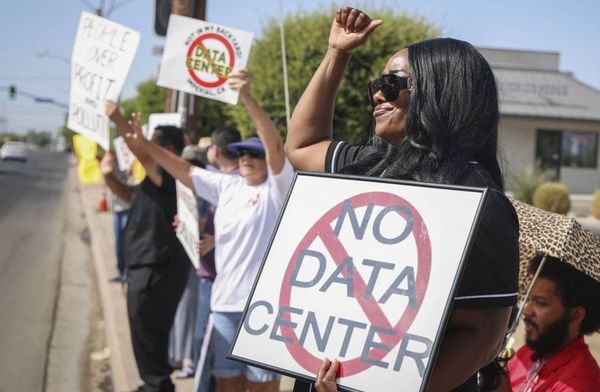
A leaked GOP memo warns Silicon Valley that AI data centers poll worse than nuclear waste — exposing a party caught between the donors who funded the buildout and the constituents paying for it in higher utility bills and degraded infrastructure.
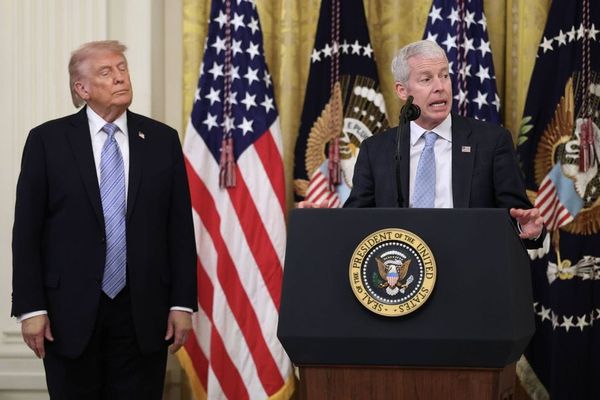
Residential electricity costs have risen 18 percent since January 2025 as the administration's self-imposed 18-month deadline to cut bills in half came and went. The trade war, AI datacenter expansion, and renewable energy cancellations didn't just fail to lower prices — they were structurally guara
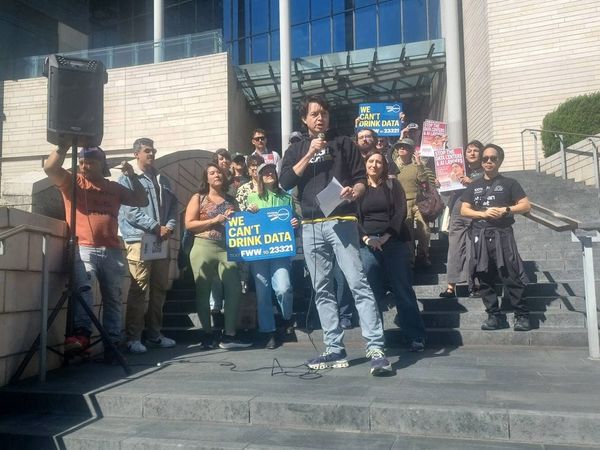
Seattle's City Council voted 9-0 to freeze large-scale AI data center construction — a unanimous rebuke from the city that built the tech industry, driven by 98,000 residents and a coalition with plans far beyond a one-year pause.
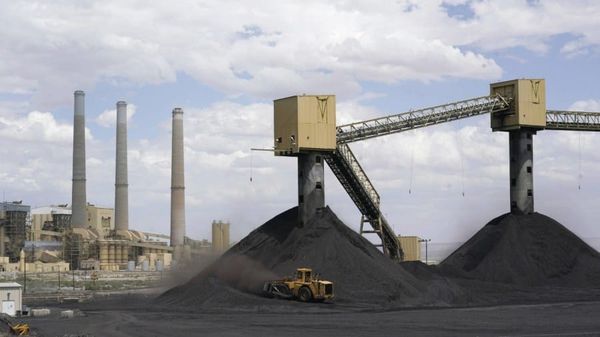
The administration is using emergency wartime authority to send $700 million to coal plants already on the industry's closure lists. The law was never designed for this — and that's precisely why it was chosen.

Ford just launched a $2 billion energy subsidiary to power AI data centers. The electricity gold rush is real — and so is the $40 billion cancellation wave it's already producing. The question isn't whether the boom is happening. It's who pays when it breaks.
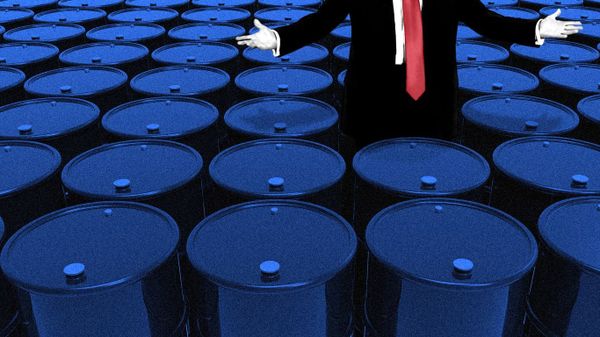
The White House is invoking a 1950 Cold War statute to fund petroleum refining, coal plants, and gas pipelines — using the Iran war as legal cover for a fossil fuel expansion that environmental review would otherwise slow. The emergency ends. The infrastructure doesn't.
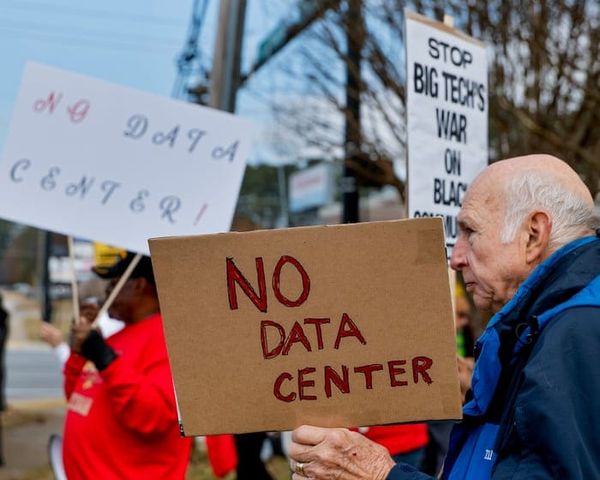
From Texas Republicans to California teachers, communities across the U.S. are organizing against an unregulated AI datacenter boom — and the bipartisan coalition forming around local water, power, and autonomy is one the industry wasn't built to handle.
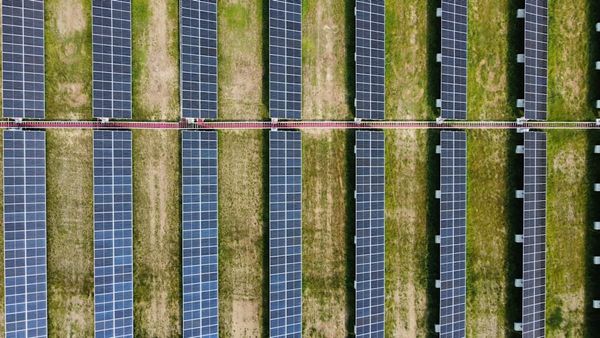
The White House declared it had dismantled a $400 billion clean energy loan program. But the Inflation Reduction Act was designed to survive political attacks — and billions in funding are still flowing to renewable projects.
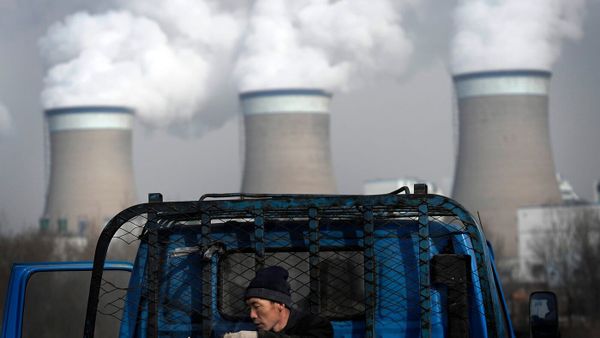
U.S. military escalation in Iran has severed LNG supply chains across Asia, forcing countries to reactivate coal plants and abandon climate commitments — an environmental catastrophe driven by American foreign policy.

Governor Kathy Hochul is asking state lawmakers to delay emission mandates in New York's climate law, citing potential utility bill increases — while environmentalists argue she's using fossil fuel price volatility as cover to abandon climate commitments.