The fossil fuel industry spent the last two years winning. It watched its allies gut the EPA's enforcement budget, roll back mercury standards, and use the Defense Production Act to lock in coal infrastructure for a generation. It watched clean energy mandates stall in state legislatures where its lobbyists had written the opposition testimony.
It watched a Republican-controlled Congress decline to schedule a single vote on climate legislation. Then Tuesday happened.
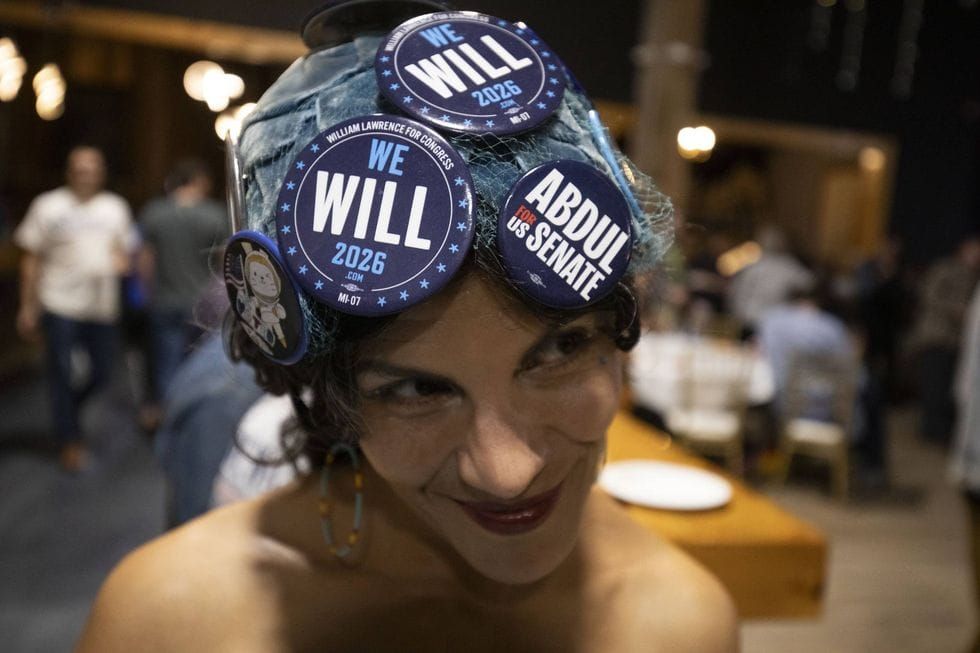
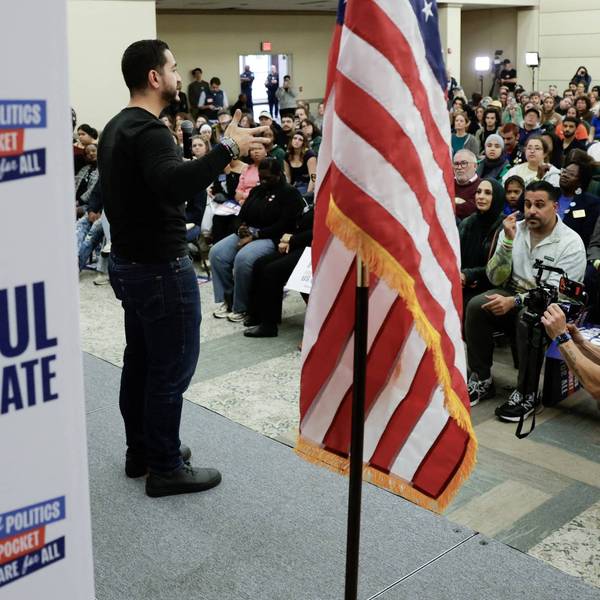
Democrats flipped the House and held the Senate, and they did it with a cohort of climate lawmakers that environmental advocates are calling the most ambitious in a decade. Rep.-elect Will Lawrence of Michigan — a co-founder of the Sunrise Movement — unseated a Republican incumbent by making data centers and fossil fuel corruption the centerpiece of his campaign. Rep.-elect Chris Rabb of Pennsylvania, Claire Valdez of New York, and Melat Kiros of Colorado all back a Green New Deal and legislation that would hold polluting industries liable for climate damages. Sen.-elect Abdul El-Sayed of Michigan, a physician and former gubernatorial candidate who survived a $30 million AIPAC-backed primary campaign designed to end his political career, ran on a platform that explicitly tied energy costs to fossil fuel corporate power.
"Voters just overwhelmingly repudiated the most anti-environmental, pro-fossil fuel administration in US history," Jamie Henn, director of Fossil Free Media, told Common Dreams. "This was a historic climate victory in disguise."
Democratic control of Congress gives climate advocates their first real legislative opening since the Inflation Reduction Act passed in 2022. The incoming cohort includes a Sunrise Movement co-founder, multiple Green New Deal co-sponsors, and candidates who explicitly ran on climate superfund legislation — bills that would force polluting industries to pay for climate damages rather than passing costs to the public.
The victory is real. But here is what the post-election coverage is mostly missing: elections are the beginning of the fight with the fossil fuel industry, not the end of it. The industry doesn't lose when its preferred candidates lose. It retrenches, redeploys its lobbying infrastructure, and waits for the legislative process to begin — where it has operated successfully for decades regardless of which party controls Congress.
Consider the last time Democrats held both chambers with a climate mandate. The Inflation Reduction Act passed in 2022, but only after fossil fuel lobbyists had stripped its most ambitious provisions, including a methane fee that was weakened and a clean electricity standard that was cut entirely. The bill that became law was a fraction of what advocates had fought for. The industry lost the vote and still shaped the outcome. That is the model it will apply to whatever climate legislation the new Congress attempts.
The incoming lawmakers know this. Kidus Girma, Sunrise Movement's campaign director, framed Tuesday's results in explicitly economic terms — "good green jobs, a pause on data centers, and a system that works for people, not billionaires" — language designed to build a working-class coalition that can withstand the industry's preferred counter-narrative, which characterizes climate policy as an elite coastal imposition on real Americans. The fact that Lawrence won in central Michigan, not Brooklyn, is the tactical proof of concept. "Young people proved that progressive ideas like the Green New Deal are just as popular in central Michigan as they are in Brooklyn," Girma told Common Dreams.
That geographic breadth matters for what comes next. Climate superfund bills — legislation that would require fossil fuel companies to pay into a fund for climate-related damages, modeled on the Superfund law used to remediate toxic waste sites — have passed in a handful of states but have never advanced in Congress. The new House majority gives advocates a vehicle to move such legislation for the first time. Whether that vehicle survives contact with the Senate filibuster, and with the moderate Democrats who have historically broken with their caucus on energy votes, is a different question entirely.
The affordability frame that defined Tuesday's winning campaigns is also the frame the industry will try to co-opt. Gas prices remain elevated — a direct consequence of the Iran war's disruption of global oil supply, which has cost American families an estimated $100 billion in higher energy costs. The fossil fuel industry's response to any clean energy legislation will be identical to its response to every previous effort: the policy will raise prices, cost jobs, and harm the working-class communities that Democrats claim to represent. The new cohort's task is to make the opposite argument stick — that dependence on fossil fuels is itself the price driver, and that clean energy is the affordability solution, not the affordability problem.

Henn made this connection explicit: "Voters across the country supported candidates who pledged to cut energy costs, end corruption, and take on corporate greed. That's the exact framework we need to push a bold clean energy and polluter pays agenda." The framing is shrewd. It ties climate policy to kitchen-table economics rather than environmental abstraction. Whether it survives the legislative grind — the committee markups, the amendments, the lobbying campaigns funded by the same industry that spent the last two years writing deregulatory policy — is what the next 24 months will actually determine.
Environmental investigative journalist Antonia Juhasz captured the sentiment on social media: "Ardent advocates of climate and environmental action and justice who loudly rejected Trump and the Republican attack on both are now heading to and returning back to Congress." She called it, officially, a Green Wave. The label is earned. But waves recede, and what matters is what gets built before the tide turns.
The incoming climate caucus has two years before the midterm cycle resets the board. In that window, the policy terrain includes climate superfund legislation, data center energy regulations, clean energy permitting reform, and blocking the industry's ongoing attempts to immunize itself from climate liability through state preemption bills. On each of those fronts, the fossil fuel industry's lobbying operation — funded by companies that collectively posted record profits during the same period their emissions accelerated — will be present, organized, and generously capitalized.
Tuesday's results are the prerequisite. They are not the outcome. The candidates who won by running against corporate energy corruption now have to govern against it — in a legislative process where that same corporate energy sector has spent decades learning exactly which pressure points to apply, which moderates to target, and how long to wait. The Green Wave is real. What it produces will depend entirely on whether the lawmakers it carried into office can hold their coalition together when the industry stops running ads and starts writing amendments.