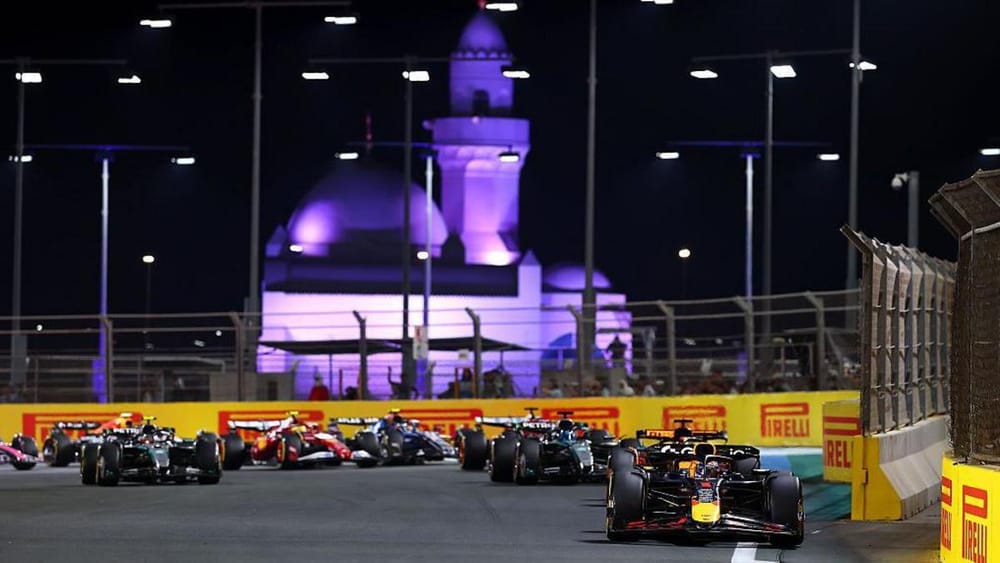
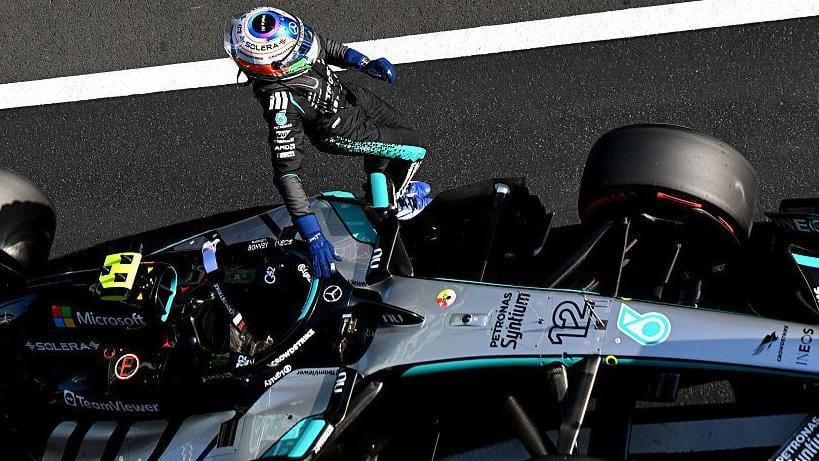
Formula 1 has canceled its Bahrain and Saudi Arabian Grand Prix races, citing "ongoing conflict in the Middle East," BBC News reports. The decision affects two of the sport's most lucrative races — Saudi Arabia alone pays an estimated $55 million annually to host its Grand Prix, while Bahrain has been a fixture on the calendar since 2004.
The cancellations come as tensions between the United States and Iran have escalated into open conflict, with mounting civilian casualties and the Strait of Hormuz remaining closed to commercial shipping. But F1's sudden discovery of its conscience about racing in conflict zones rings hollow when both Bahrain and Saudi Arabia have been actively bombing Yemen for nearly a decade — a war that has killed over 377,000 people according to UN estimates.
The selective outrage exposes a familiar pattern: Western sports leagues and entertainment companies suddenly develop moral clarity about geopolitics only when Western interests are directly threatened. When Saudi Crown Prince Mohammed bin Salman launched his devastating air campaign against Yemen in 2015, Formula 1 not only continued racing in the region but actively expanded its presence, adding the Saudi Arabian Grand Prix in 2021 amid ongoing airstrikes on Yemeni hospitals and schools.
Liberty Media, F1's American owner, has collected hundreds of millions in race fees from Gulf states while their governments prosecute one of the world's worst humanitarian catastrophes. The Saudi-led coalition's blockade of Yemen has pushed 19 million people to the brink of starvation. Bahrain, as part of that coalition, has contributed fighter jets and ground troops to the campaign. Yet F1 executives saw no conflict of interest in taking their money — until American missiles started flying toward Iran.
This isn't just about Formula 1. The same dynamic plays out across professional sports. The NBA suspended its relationships with China over Hong Kong protests that threatened Western business interests, but maintains training camps in the UAE despite its role in Yemen. The Premier League took a stand against the proposed Saudi takeover of Newcastle United only after the murder of Washington Post journalist Jamal Khashoggi generated Western media attention — not after years of Saudi war crimes in Yemen.
The message is clear: wars matter to Western sports leagues when they affect Western economies, Western security, or generate Western headlines. A decade of bombardment in Yemen that has killed hundreds of thousands? That's compatible with checkered flags and champagne celebrations. But when the Strait of Hormuz closes and oil markets panic, suddenly racing in the region presents unacceptable risks.

F1's statement carefully avoids specifying which "ongoing conflict" prompted the cancellations, allowing the series to maintain its lucrative relationships with Bahrain and Saudi Arabia once the current crisis passes. The races aren't permanently removed from the calendar — just postponed until the region becomes safe enough for Western business interests again, regardless of whether Yemen's children remain under bombardment.
The economics driving these decisions are straightforward. Saudi Arabia and other Gulf states have emerged as critical revenue sources for cash-strapped sports leagues. The Saudi Public Investment Fund has poured billions into everything from golf to soccer to combat sports, part of Crown Prince Mohammed bin Salman's Vision 2030 program to diversify the kingdom's economy. Bahrain uses F1 to project soft power and attract tourism. These states understand that sports washing works — until it doesn't.
What F1's cancellation reveals isn't a principled stand against racing in conflict zones. It's a calculation that the business risk of racing during an active U.S.-Iran conflict outweighs the financial rewards. Once that risk subsides — once oil markets stabilize and insurance companies lower their premiums — F1 will return to collect its fees from the same governments dropping bombs on Yemen. The only question is whether Western audiences will notice the hypocrisy when the lights go out and the engines start again.