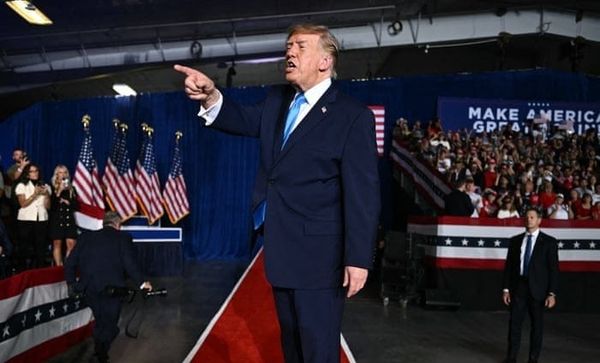
Trump speculated at a Nebraska rally that Iran could strike Los Angeles or San Diego. One Republican candidate objected. His party said nothing — and that silence is the story.
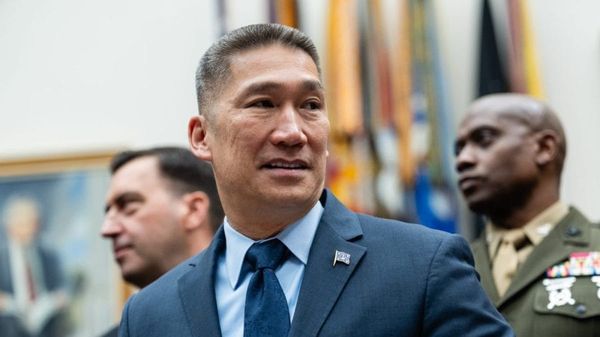
Acting Navy Secretary Hung Cao confirmed eight suicide attempts among sailors on the USS Abraham Lincoln carrier strike group — disclosed in a letter to a senator, not a hearing. The figure is a measure of what prolonged, unauthorized deployment does to the people executing it.
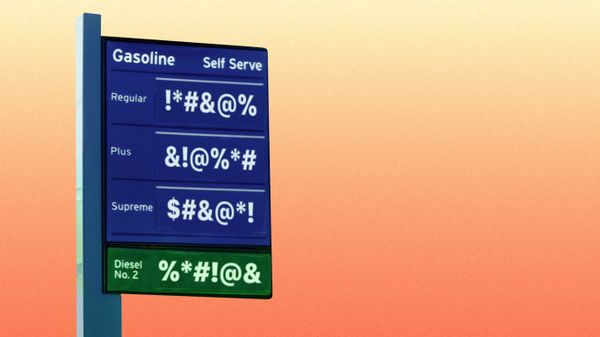
Brown University is tracking the Iran war's energy toll in real time: $100 billion and rising at $1 million every two minutes. The cost falls hardest on working families — and functions as a regressive tax nobody voted for.
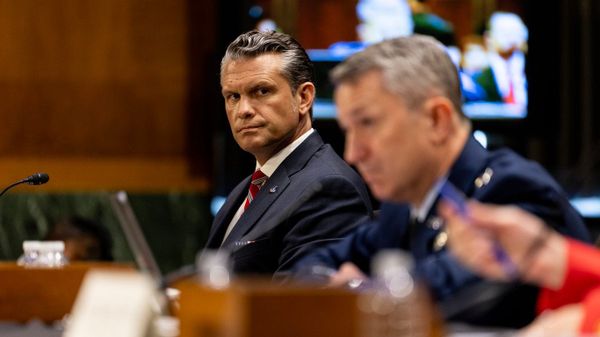
Washington and London are planning a high-level Hormuz conference, but no Gulf state has committed to joining — and the last U.S. attempt to build a maritime coalition around Iran collapsed when allies refused to sign on.
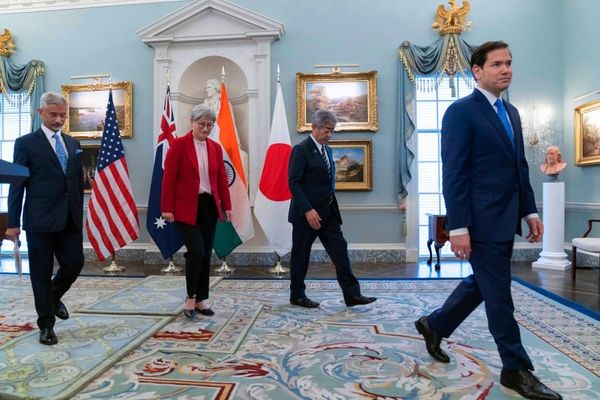
The Pentagon's retreat from its Indo-Pacific framework isn't a pivot forced by Beijing — it's an admission that the strategy was always more rhetoric than reality, exposed by a war Washington chose to fight.
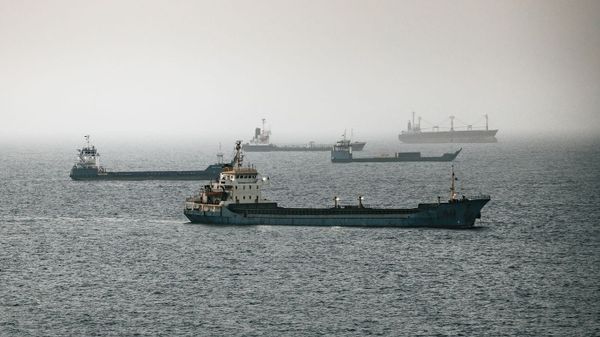
Iran struck three commercial ships in the Strait of Hormuz within 24 hours, unraveling a memorandum of understanding signed less than three weeks ago — and exposing the pattern of agreements that were always designed to be temporary.
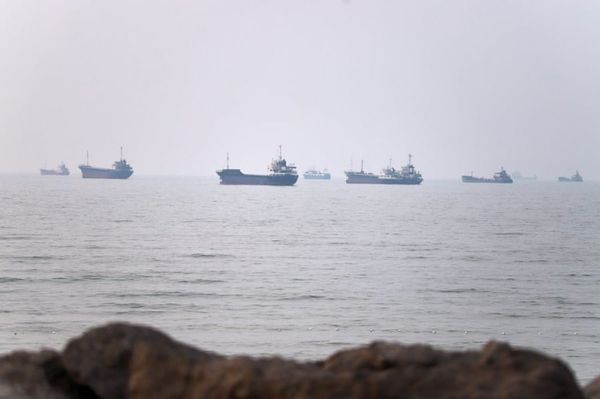
The U.S.-Iran Memorandum of Understanding excludes ballistic missiles — the weapons Iran has actually used against U.S. forces and regional populations — from its terms. The administration is calling that silence progress.
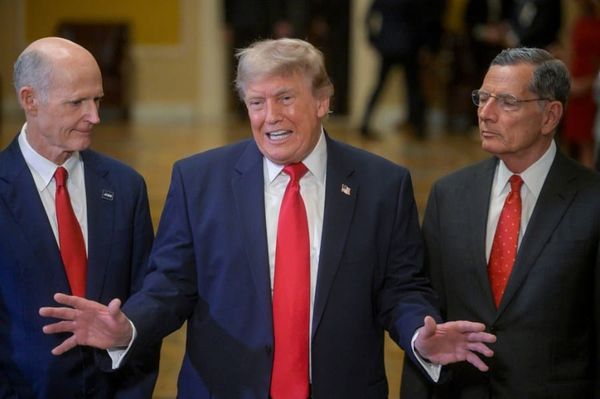
The Senate voted to constrain the Iran war on Tuesday. By Wednesday, it had reversed itself under presidential pressure. What happened in those 48 hours is not a political story — it's a constitutional one.
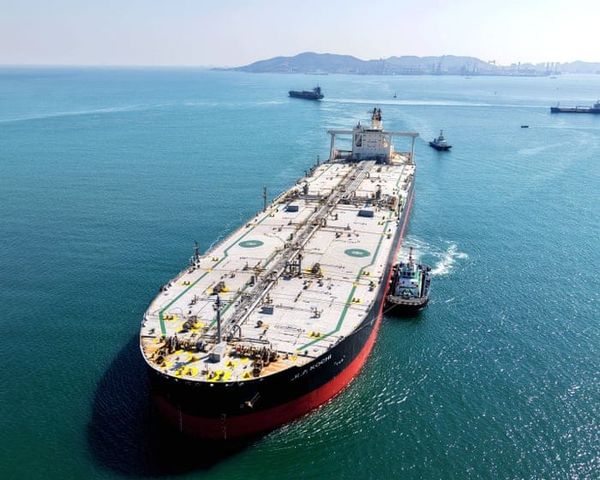
Wall Street celebrated a US-Iran peace deal on Monday with a 4% drop in Brent crude and record stock closes. No sanctions have lifted. The Strait of Hormuz remains closed. The market is pricing in a Truth Social post.
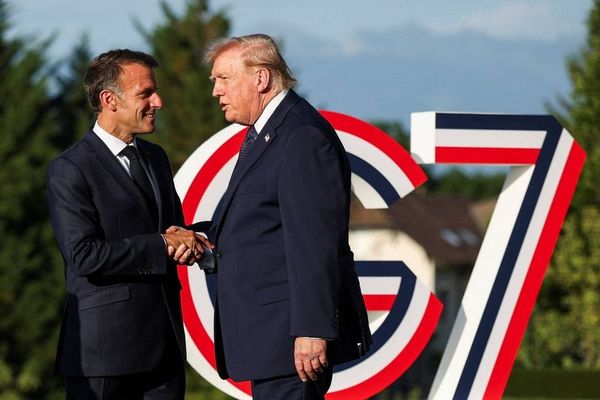
A new Oxfam analysis finds 41 G7 energy billionaires gained $23.5 billion — $300 million per day — since the US-Israeli war against Iran began, while a UN projection estimates 32 million people will be pushed into poverty by the same conflict. The transfer of wealth is not coincidental. It is struct
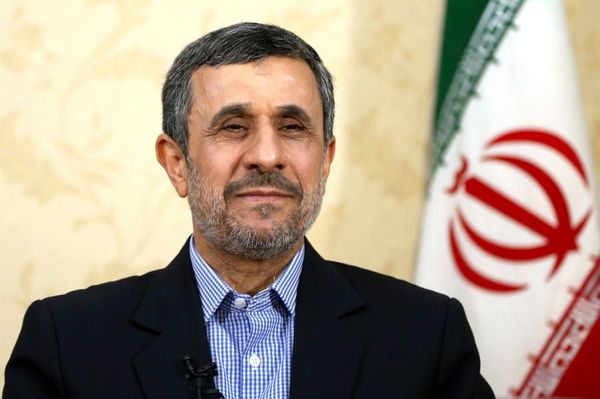
U.S. and Israeli officials reportedly planned to install Mahmoud Ahmadinejad — the Holocaust-denying former president who called for Israel's destruction — as Iran's next leader. The strategic incoherence is not a planning failure. It's a confession about what the war was always for.

The UK has granted a sanctions waiver on Russian oil imports to manage fuel shortages caused by the Hormuz blockade. The war Washington launched without allied coordination is now forcing its closest partner to fund the economy it spent three years trying to isolate.
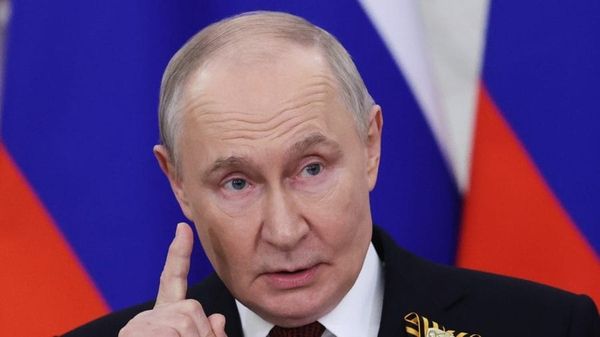
The Trump administration extended a waiver allowing purchases of Russian oil — a policy that manages the humanitarian fallout of its own Iran war by directing demand toward Moscow at the moment Russian oil revenues fund the Ukraine invasion.

Since U.S. and Israeli strikes began February 28, Iran has executed at least 32 verified political prisoners. The war didn't build Tehran's repression — but it gave the regime exactly what it needed: the world's attention fixed on bombs while the executions proceed in the background.
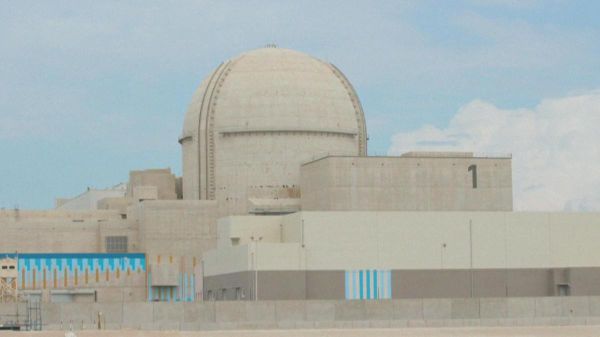
A strike near the UAE's Barakah nuclear plant wasn't aimed at oil. It was aimed at the assumption that Gulf infrastructure exists outside the logic of the Iran conflict — and that assumption is now gone.
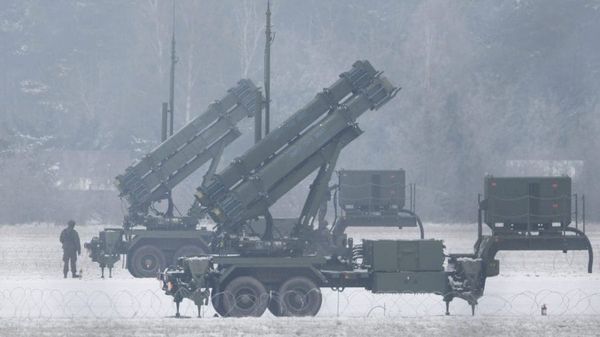
The State Department approved more than $8 billion in arms to Gulf nations and Israel last Friday. Every recipient is actively involved in a war Congress never authorized — and the clock to block the sales is already running.