Iran's Islamic Revolutionary Guard Corps (IRGC) named specific cities in the United Arab Emirates as potential military targets on Saturday, claiming the U.S. used UAE ports and airbases to launch its recent attack on Kharg Island. The threat from the IRGC's Khatam al-Anbiya Central Headquarters marks the first time Tehran has directly threatened to strike Gulf Arab population centers since the current escalation began.
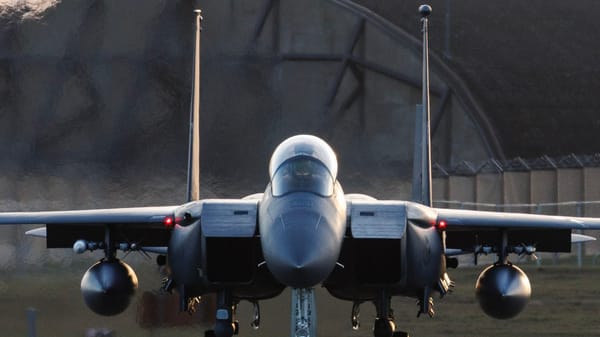
The IRGC statement, reported by The Hill, represents a significant expansion of the conflict's geographic scope. While previous Iranian retaliation focused on U.S. military assets and Israeli targets, the explicit naming of Dubai, Abu Dhabi, and other UAE commercial hubs signals Tehran's willingness to widen the war to countries hosting American forces. The UAE hosts approximately 5,000 U.S. troops across multiple bases, including Al Dhafra Air Base and the Fujairah naval facility.
Kharg Island processes 90% of Iran's oil exports, making it the country's most critical economic infrastructure. The U.S. attack on the facility, which Iran claims originated from UAE territory, threatens to cripple Tehran's already sanctions-weakened economy. Oil markets have already entered crisis mode as the Strait of Hormuz remains partially closed, with prices surging past $120 per barrel.
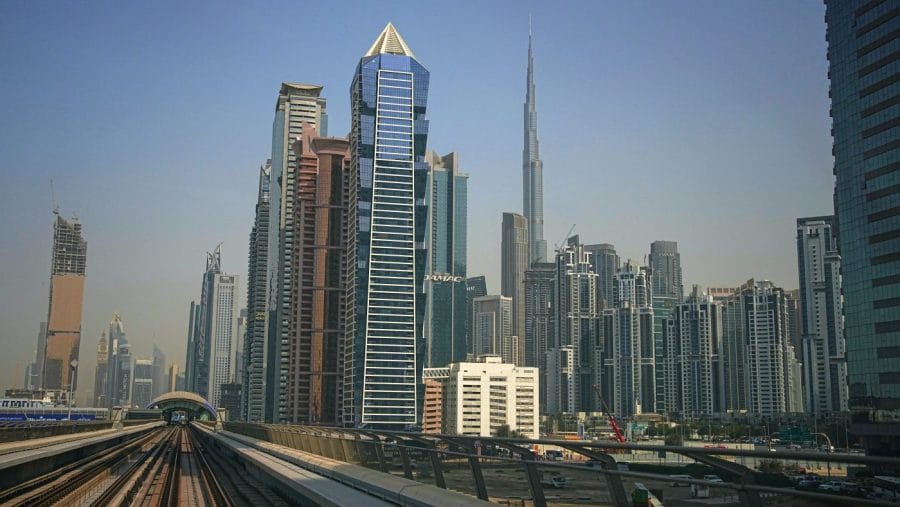
The UAE finds itself in an impossible position. The federation's economy depends on its status as a regional business hub and tourist destination—a status incompatible with becoming an active war zone. Yet its security arrangements with the United States, formalized through defense cooperation agreements dating to 1994, obligate it to provide basing rights for U.S. forces. Emirati officials have not responded to Iran's threats, but regional analysts note that Dubai's skyline of glass towers and Abu Dhabi's oil infrastructure present soft targets for Iranian missiles and drones.
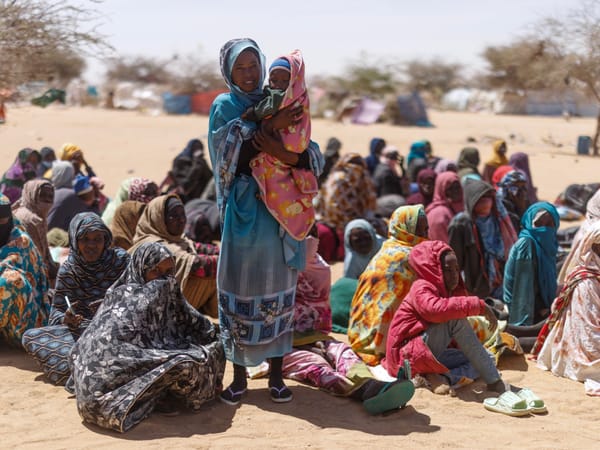
For the 9.9 million residents of the UAE—88% of whom are foreign nationals—the Iranian threats transform an abstract regional conflict into an immediate personal danger. The country's large Iranian expatriate community, estimated at 400,000 people, now faces the prospect of their adopted home coming under attack from their homeland. Indian, Pakistani, and Filipino workers who power the UAE's service economy have even fewer options for evacuation should hostilities escalate.
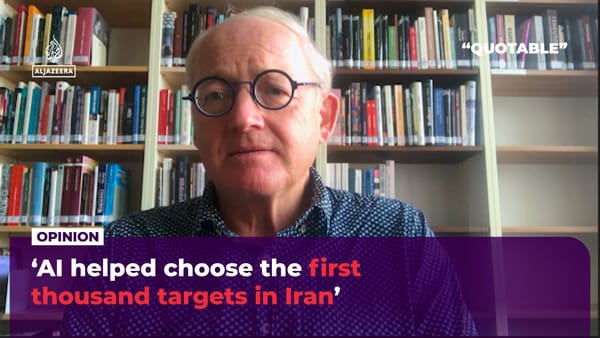
The Biden administration's decision to use UAE bases for the Kharg Island strike—if Iran's claims prove accurate—reflects a calculated risk that Tehran would not expand the conflict to include Gulf Arab states. That calculation now appears to have failed. By threatening civilian population centers rather than just military installations, Iran crosses a threshold that previous U.S. administrations worked to avoid. The same AI-powered targeting systems being used in the wider conflict could soon turn Dubai's Burj Khalifa and Abu Dhabi's oil terminals into algorithmic coordinates.
Regional powers now face cascading decisions. Saudi Arabia, which shares a border with the UAE and hosts U.S. forces at Prince Sultan Air Base, must calculate whether Iranian threats extend to its territory. Qatar, home to the largest U.S. base in the region at Al Udeid, has maintained careful neutrality but may find that position untenable if Iran begins striking neighboring countries. Kuwait and Bahrain, both hosting significant U.S. naval assets, watch nervously as the conflict's geography expands.
The transformation of the UAE from neutral ground to potential battlefield illustrates how quickly regional wars metastasize beyond their original boundaries. What began as a U.S.-Iran confrontation now threatens to engulf countries that spent decades positioning themselves as stable alternatives to the region's conflicts. For Washington's war planners, the Iranian threats present a dilemma: backing down rewards Tehran's escalation, while defending the UAE risks exactly the regional conflagration previous administrations sought to avoid. The residents of Dubai and Abu Dhabi, meanwhile, can only wait to learn whether their gleaming cities have become the next front in an expanding war.