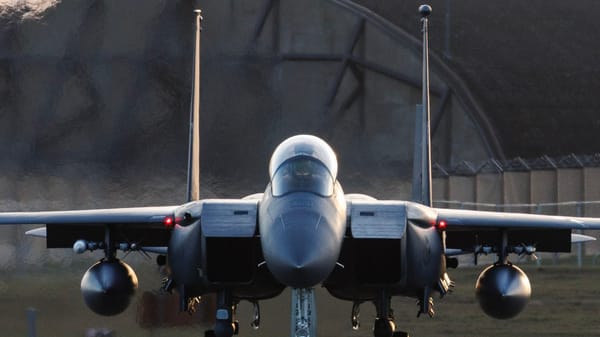
The Pentagon's military campaign against Iran has achieved a brutal paradox: it strengthened the regime it sought to destroy while devastating the population it claimed to liberate. According to The Intercept's reporting, the Trump administration now faces the reality that "short of a full-scale invasion," it will need to negotiate with the same Iranian government it has spent months trying to obliterate through airstrikes and economic warfare.
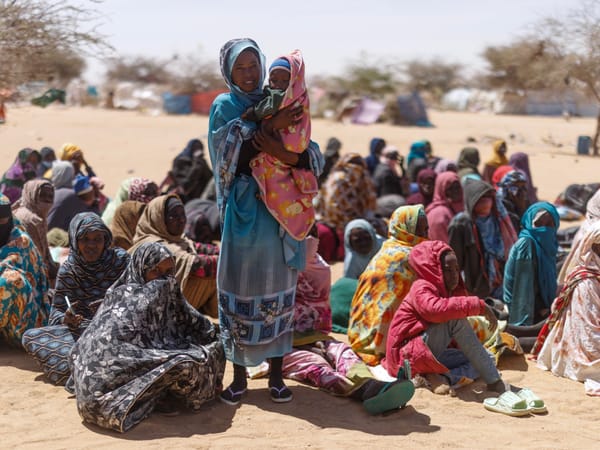
This strategic failure carries a staggering human cost. Iran's 85 million citizens find themselves trapped between an authoritarian government that has used the external threat to justify intensified domestic repression and a sanctions regime that has cut them off from global markets, medical supplies, and basic economic opportunity. The military strikes that were sold to the American public as a path to regime change have instead created conditions for the Islamic Republic to consolidate power while ordinary Iranians bear the consequences.
The pattern is grimly familiar to anyone who has watched U.S. military interventions over the past two decades. In Iraq, Libya, and Syria, bombing campaigns that promised liberation delivered chaos, strengthened hardliners, and left civilian populations to navigate the wreckage. Iran's case differs only in that the regime remained intact enough to exploit the crisis for its own survival.
Economic data from inside Iran paints a devastating picture. The rial has lost 40 percent of its value since military strikes began in February, pushing inflation above 50 percent for basic goods. Medicine shortages have reached critical levels as international pharmaceutical companies refuse to navigate the complex web of sanctions that technically exempt humanitarian goods but make financial transactions nearly impossible. A Tehran hospital administrator told regional media that cancer patients are dying for lack of chemotherapy drugs that Iran cannot import or afford.
The strikes themselves, while failing to achieve regime change, succeeded in destroying critical civilian infrastructure. Power plants, water treatment facilities, and transportation networks sustained damage that the sanctions-crippled economy cannot repair. Tehran's residents now face rolling blackouts that last 12-16 hours daily, while smaller cities report complete infrastructure collapse. The government, rather than moderating its stance, has used these hardships to rally nationalist sentiment against foreign aggression.
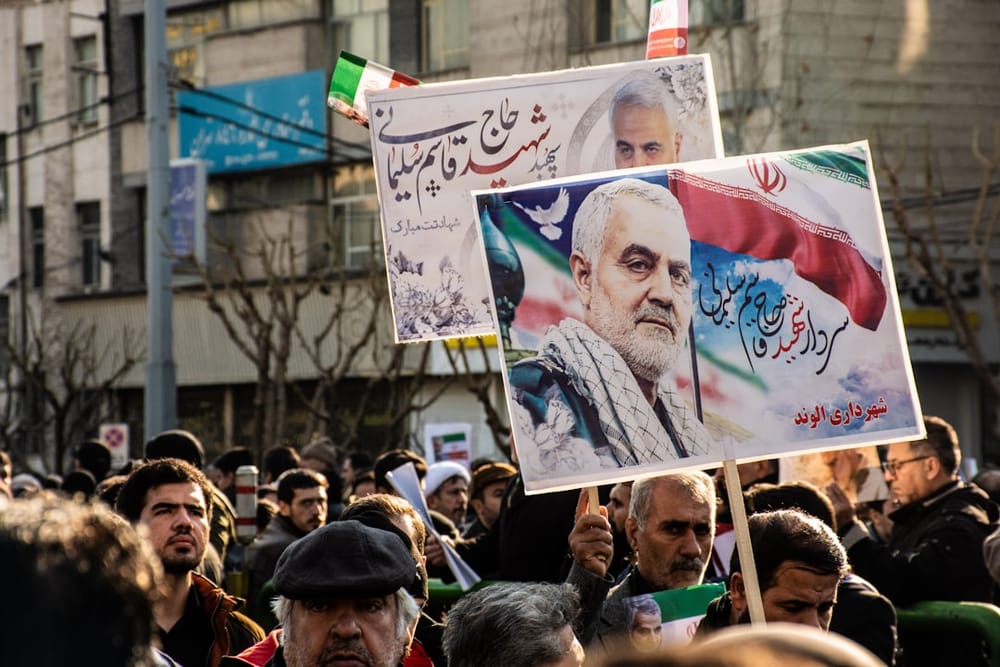
Inside Iran, the space for dissent has vanished entirely. The regime has framed all domestic opposition as collaboration with foreign enemies, arresting thousands of activists, journalists, and ordinary citizens who dare criticize government policies. The same security forces that violently suppressed the Woman, Life, Freedom movement now operate with even greater impunity, justified by the state of emergency that external attacks provide.
Women, who led the most significant challenge to clerical rule in decades, face particularly harsh repression. The government has not only maintained mandatory hijab laws but introduced new restrictions on women's employment and education, framing gender equality as a Western plot to undermine Iranian society. University professors report that female enrollment has dropped 30 percent as families can no longer afford education costs and young women see no future in a country cut off from global opportunities.
The regional implications extend far beyond Iran's borders. As Tinsel News previously reported, the disruption of energy markets has forced Asian countries back to coal, undermining global climate goals. European nations dependent on Middle Eastern energy face their worst cost-of-living crisis in decades. The human suffering radiates outward from Tehran in concentric circles of economic devastation.
Perhaps most troubling is how predictable this outcome was. Every serious regional analyst warned that military strikes without ground invasion would strengthen the regime's narrative of resistance against imperial aggression. The Islamic Republic has survived four decades precisely because external pressure allows it to justify internal repression as national defense. The Trump administration's campaign handed Tehran's hardliners exactly what they needed: an existential threat that silences moderate voices and rallies the population around the flag.
The administration's pivot to negotiations represents not diplomatic wisdom but strategic exhaustion. Having discovered that air power cannot change regimes — a lesson available from Afghanistan, Iraq, Libya, and Syria — Trump officials now seek a face-saving exit that will inevitably involve recognizing the government they sought to destroy. The negotiations will likely focus on limiting Iran's regional influence and nuclear program, goals that could have been pursued without the humanitarian catastrophe the military campaign created.
For Iranian civilians, the damage is already irreversible. A generation of young Iranians who dreamed of rejoining the global community now face indefinite isolation. The middle class that might have pushed for gradual reform has been economically destroyed. The civil society organizations that operated in the narrow space between state control and international engagement have been crushed between sanctions and security forces.
The tragedy is compounded by its preventability. Military resources diverted from other conflicts achieved nothing but civilian suffering. The billions spent on strikes that strengthened authoritarian rule could have supported the very civil society groups now being crushed. The international isolation that empowers hardliners could have been replaced with engagement that strengthened reformist voices.
As negotiations begin, the question is not whether the Trump administration will recognize its strategic failure — the pivot to diplomacy already represents that recognition. The question is whether any negotiated settlement will address the humanitarian crisis the military campaign created. History suggests the answer: sanctions will remain as a negotiating tool, civilian suffering will continue as collateral damage, and ordinary Iranians will pay the price for a war they never wanted against a government they cannot change.
The Iranian people deserved international solidarity in their struggle for freedom. Instead, they received bombs that strengthened their oppressors and sanctions that destroyed their future. That is the strategic failure's human cost — measured not in military objectives unachieved but in lives destroyed by the collision between authoritarian rule and imperial ambition.