Israel's military censor unit reviews thousands of news stories each year before publication, and according to Columbia Journalism Review, some Israeli journalists now consider securing approval from the military "a source of pride" — a normalization of state control that reveals how occupation reshapes the relationship between press and power.
The censor unit, embedded within the Israeli Defense Forces intelligence corps, has authority to suppress reporting on military operations, intelligence activities, and security matters. What began as wartime restrictions has evolved into a permanent infrastructure of information control. Journalists submit stories for review. The military decides what the public can know. And increasingly, reporters treat this arrangement not as a constraint on press freedom, but as a credential.
This is what happens when military censorship becomes routine: the act of compliance transforms into a mark of access. Journalists who successfully navigate the censor's demands can claim they are trusted, vetted, inside the system. Those who resist or challenge the process risk being frozen out. The incentive structure is clear. So is the cost.
The censor's power extends beyond blocking specific facts. It shapes which stories get told at all. Reporters learn to self-censor, avoiding angles or questions that might trigger review delays or outright bans. Sources go silent, knowing their information could be suppressed. The public receives a version of events filtered through military priorities, with no clear indication of what has been removed. Similar patterns of military control over press access have emerged in other contexts, but Israel's system is notable for how thoroughly it has been absorbed into journalistic practice.
The Columbia Journalism Review investigation documents cases where the censor blocked reporting on military failures, suppressed evidence of war crimes, and delayed publication of stories until their news value had expired. In some instances, journalists were prohibited from reporting facts already published by international outlets. The justification is always security. The effect is always the same: accountability vanishes.
When journalists describe military approval as a professional achievement rather than a restriction, the occupation has succeeded in redefining what journalism means. Press freedom is not the ability to publish what the state permits. It is the ability to report without state permission. The moment a reporter internalizes censorship as validation, the work stops being journalism and becomes something closer to public relations for the security apparatus.
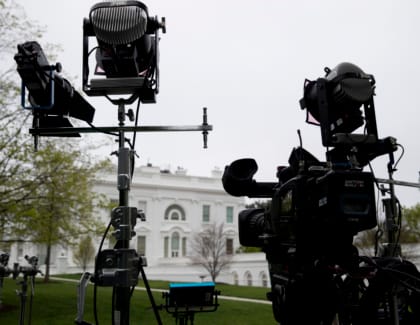
This normalization extends beyond individual reporters. News organizations build their workflows around censor approval. Editors schedule publication based on military timelines. Entire beats — defense, intelligence, military operations — operate under the assumption that the state has veto power over what gets reported. Other governments have attempted similar controls, but few have achieved the level of institutional capture documented in Israel's case.
The consequences are not abstract. When the military controls information about its own conduct, war crimes go unreported. Civilian casualties are minimized or erased. Policies that violate international law are shielded from scrutiny. The public — both Israeli and international — makes decisions based on incomplete, state-filtered information. Democratic accountability requires an independent press. A press that seeks military approval before publication is not independent.
What makes this particularly insidious is the voluntary nature of the compliance. The censor does not need to threaten every journalist. The system operates through a combination of legal authority, professional incentives, and cultural normalization. Reporters who want access learn the rules. Those who want career advancement demonstrate their ability to work within constraints. The state does not need to impose censorship by force when journalists will impose it on themselves.
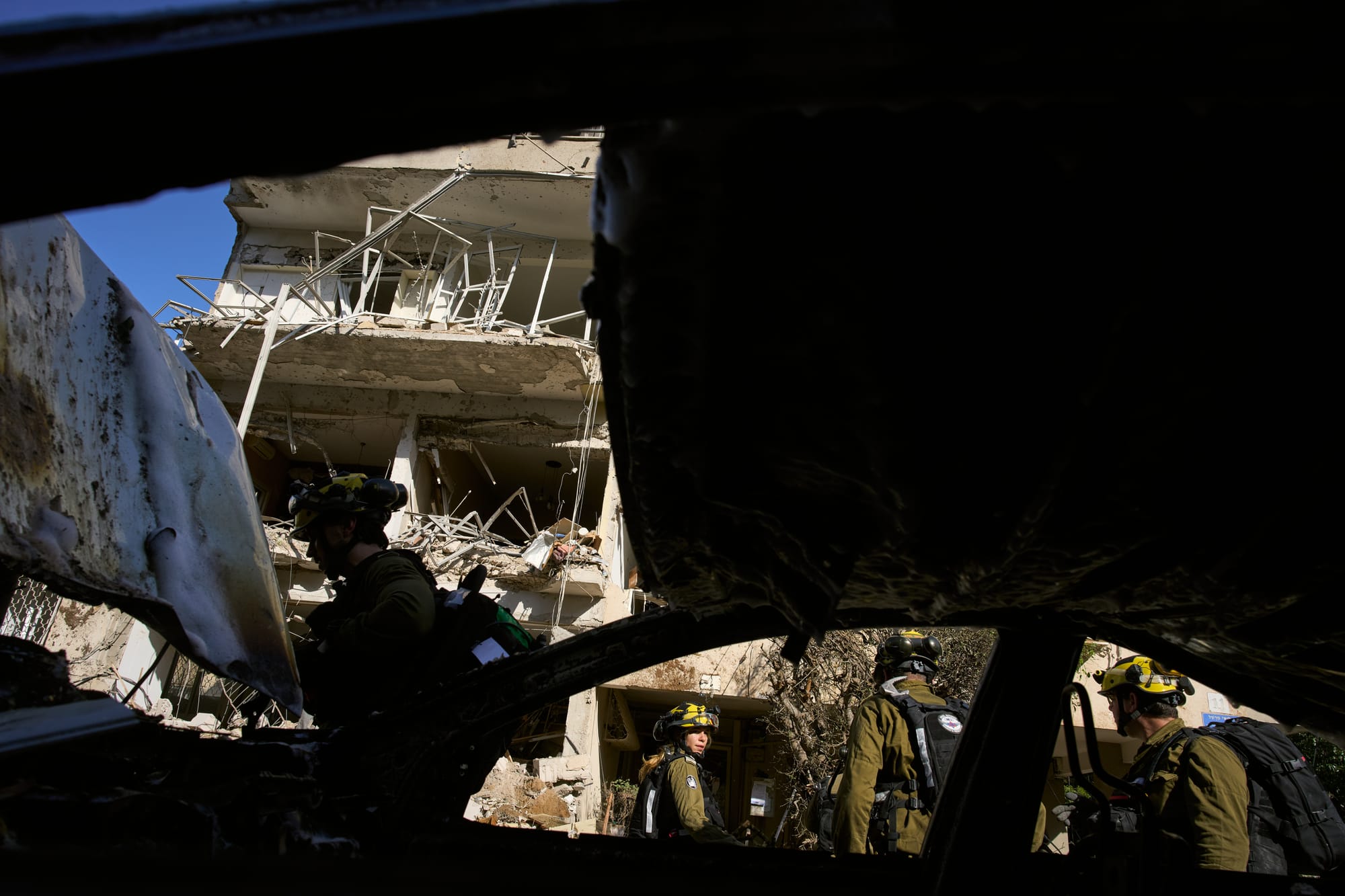
The Israeli model offers a preview of what happens when military censorship becomes permanent infrastructure rather than emergency measure. It does not look like overt suppression. It looks like professional journalists describing state approval as a credential. It looks like news organizations treating military review as a normal part of the editorial process. It looks like the slow, quiet death of the idea that the press exists to challenge power rather than serve it.