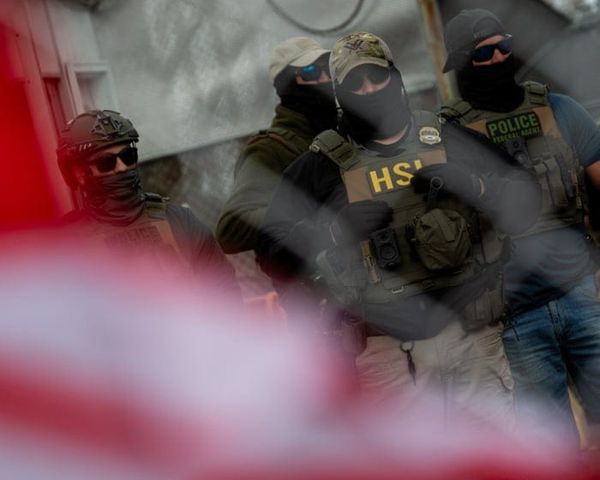
DHS is using an obscure customs law to pull phone records from journalists, nonprofits, and unions — bypassing courts that have already rejected the tactic and going directly to the platforms instead.
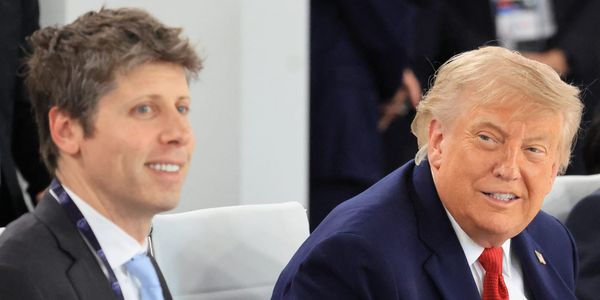
The Justice Department has filed a brief defending OpenAI's right to train on copyrighted journalism without permission or payment — choosing the AI industry over the press in a case that will determine whether independent journalism can survive the AI extraction economy.
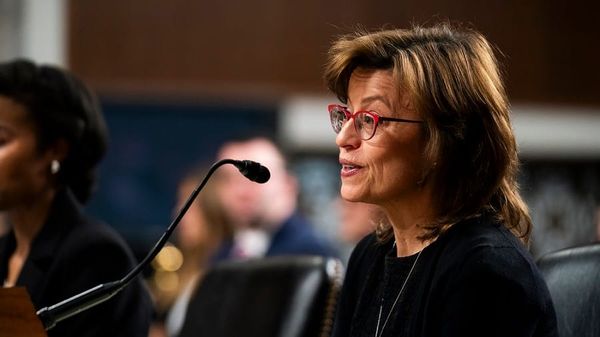
Anna Gomez called the threat to NBC's Kristen Welker 'dangerous.' The more precise diagnosis: the FCC's structure was always vulnerable to a president willing to use it this way.

Masked settlers beat a Palestinian woman and four NBC journalists in the West Bank town of Jalud. Netanyahu condemned it. The system that made it possible remains intact — and fully funded.

Max Lederer spent 33 years at Stars and Stripes and nearly 20 as its publisher. His public departure over Pentagon editorial pressure is the clearest signal yet that the military's independent newspaper no longer is.
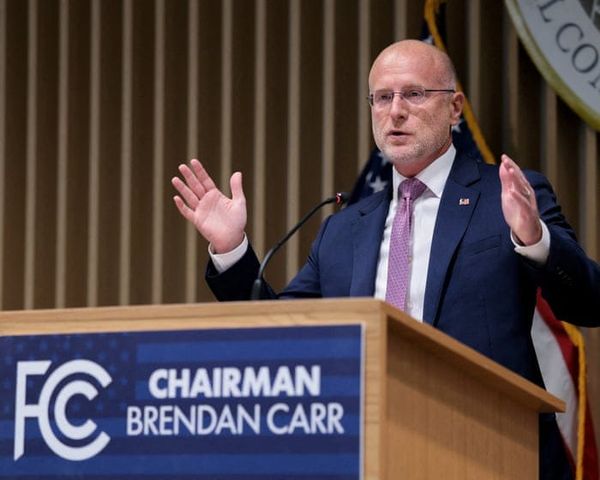
A bipartisan group of former FCC officials filed a formal warning this week: the early license review targeting ABC's eight stations is designed to intimidate broadcasters, not adjudicate a legal violation. The chilling effect isn't a side consequence — it's the goal.
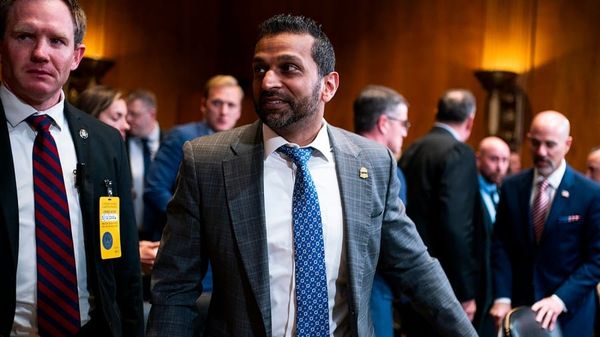
Kash Patel is suing The Atlantic for reporting on his conduct as FBI director. The lawsuit's legal merits will be decided by a court. Its political function — making coverage of the FBI director expensive enough to discourage — is already working.
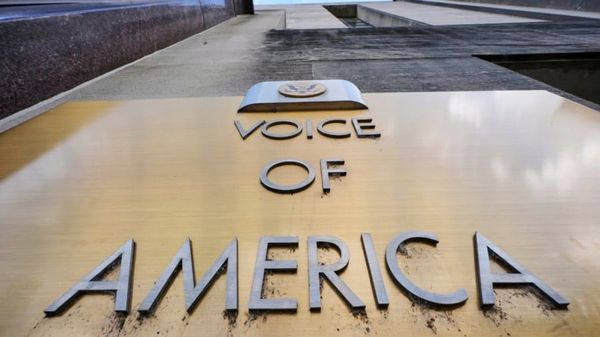
Ulviyya Alovsat worked for a U.S.-funded outlet in one of the world's most press-hostile states. She is now in prison — and Washington has not said her name.
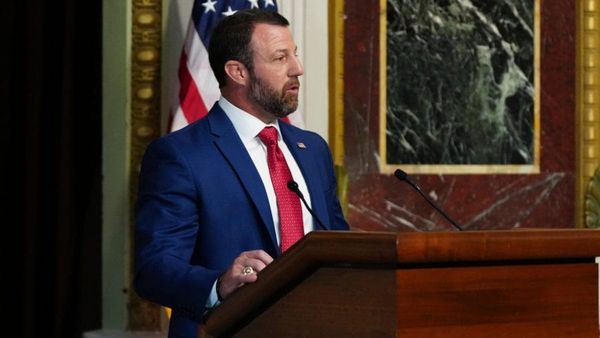
A new DHS rule cuts foreign journalist visas to 240 days and imposes stricter limits on Chinese reporters. The policy doesn't ban coverage — it makes sustained accountability journalism operationally impossible for a targeted class of reporters, while giving the government plausible deniability abou
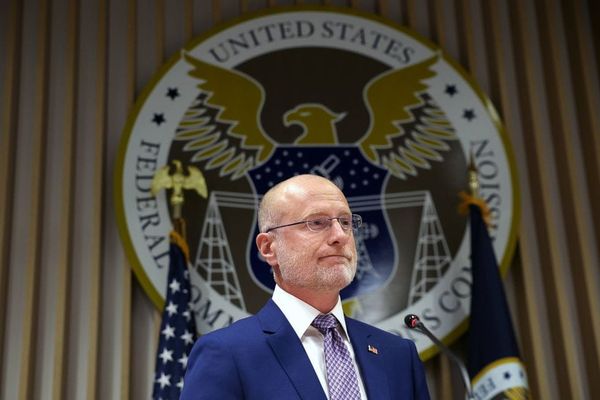
FCC Chair Brendan Carr is moving to eliminate a TV ownership cap that Congress wrote into law specifically to stop the FCC from changing it. The companies positioned to benefit are already in the middle of a federal lawsuit over the same rule.

Polling shows two-thirds of Americans support climate action — a number that hasn't moved even as the White House dismantles climate policy. The collapse in press coverage isn't a reflection of public opinion. It's a decision, and it has beneficiaries.
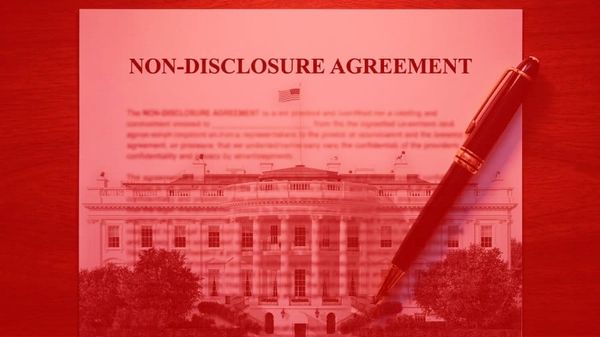
The Office of Personnel Management wants every federal worker to sign an NDA. The proposal wouldn't stop espionage — it would silence the 2.2 million employees who are the public's last line of sight into how government power is actually used.
The DOJ served grand jury subpoenas on Wall Street Journal reporters over coverage of the Iran war. The target isn't a leaker — it's the press freedom to report on a war Congress never authorized.
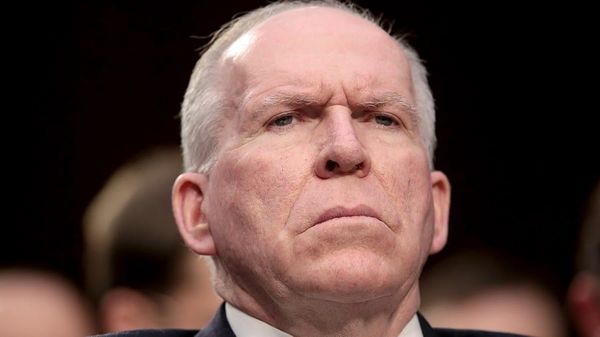
The House Intelligence Committee has handed DOJ documents involving former CIA Director John Brennan — the latest move in a documented pattern of deploying federal prosecutorial power against Trump's perceived critics.

Columbia Journalism Review documents how Israel's military censor unit controls thousands of news stories each year — and how some journalists have internalized state approval as professional validation rather than a threat to press freedom.
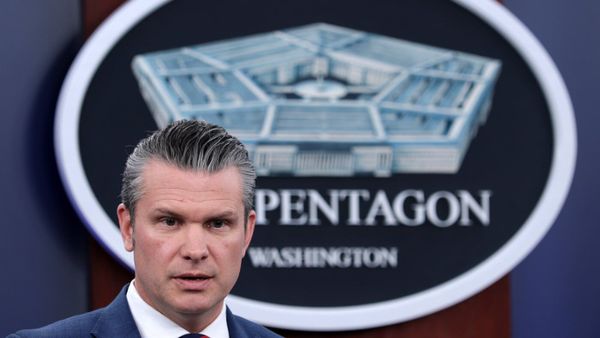
A federal judge struck down Pentagon restrictions requiring media organizations to pledge not to gather information without official authorization, ruling the policy violated the First Amendment.