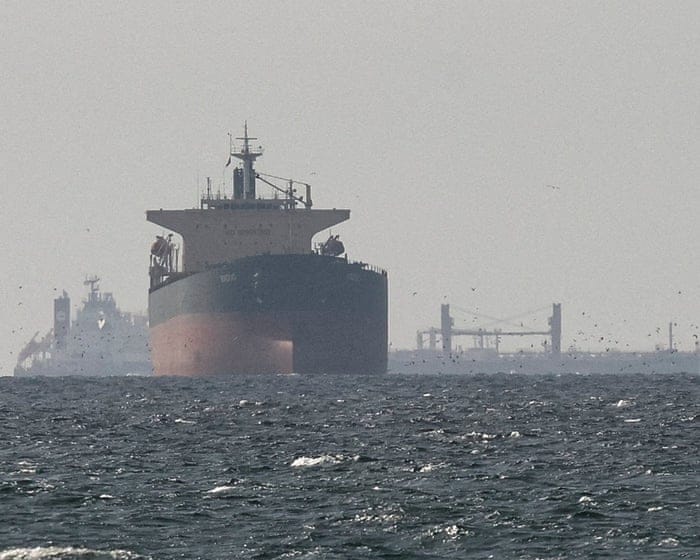
The Pentagon's weekend strikes on Kharg Island targeted more than an Iranian military asset — they hit the valve controlling 90% of Iran's oil exports and a critical node in the global energy system. Located 20 miles off Iran's coast, the 8-square-mile coral island processes nearly every barrel of crude the petrostate sells to the world. Now, with the facility damaged and Iran maintaining its chokehold on the Strait of Hormuz, oil analysts warn that prices could surge past the 2008 record of $147.50 per barrel, according to The Guardian US.
The mathematics of energy disruption are stark. Iran exports approximately 1.5 million barrels per day through Kharg Island's terminals. Combined with the 17 million barrels per day that normally transit the Strait of Hormuz — now effectively closed by Iranian naval forces — the global oil market faces its most severe supply shock since the 1973 Arab oil embargo. Unlike that crisis, which emerged from a coordinated political decision, this disruption stems from military destruction of critical infrastructure that could take years to rebuild.
What makes this escalation particularly reckless is its predictable economic cascade. When oil prices spiked to $147 in 2008, the shock contributed to a global recession that destroyed trillions in wealth and threw millions out of work. That spike resulted from market speculation and demand pressure. This time, the trigger is physical destruction of supply infrastructure during an active military conflict, with no clear timeline for restoration.
The Biden administration's decision to strike Kharg Island represents a fundamental miscalculation about economic warfare. While Pentagon briefings emphasize the tactical success of degrading Iran's export capacity, they ignore the global consequences of weaponizing energy infrastructure. Every dollar increase in oil prices functions as a regressive global tax, hitting developing nations and working-class consumers hardest while enriching other petroleum exporters — including Russia, whose war chest grows fatter with each uptick in crude prices.
Energy analysts point to cascading effects beyond the pump price. Airlines are already canceling routes as jet fuel costs soar. Shipping companies face doubled fuel bills for vessels forced to route around Africa instead of through the Suez Canal. Petrochemical plants from South Korea to Germany are reducing output as feedstock costs spike. The inflationary pressure touches everything from food prices — affected by fertilizer and transport costs — to the basic plastics used in medical supplies.
The targeting of Kharg Island also reveals the hollow nature of administration claims about "limited" military objectives. As Tinsel News has reported, the administration's expanding target list shows no coherent exit strategy. Destroying Iran's economic lifeline while simultaneously demanding negotiations is not diplomacy — it's economic strangulation that historically hardens rather than softens adversaries' positions.
Iran's oil infrastructure took decades to build and represents one of the few sources of hard currency for a nation under comprehensive sanctions. The terminals at Kharg Island include specialized loading platforms for supertankers, underwater pipelines connecting to onshore refineries, and storage facilities carved into the island's coral base. Rebuilding this infrastructure would require not just money but specialized expertise and equipment currently blocked by sanctions — creating a Catch-22 where the damage can't be repaired without lifting the very restrictions the strikes were meant to enforce.
The global South will bear the harshest consequences. Nations from Sri Lanka to Senegal, already struggling with debt and inflation, face the prospect of energy costs that could consume their entire foreign currency reserves. The International Energy Agency's emergency stockpile releases can cushion wealthy nations for weeks, not months. For countries without strategic reserves, each day of disruption means choosing between fuel for transportation and foreign exchange for food imports.
Historical precedent suggests this economic weapon will backfire. The 1990 Iraqi oil infrastructure bombing created a humanitarian catastrophe without achieving its political objectives. The 2019 attacks on Saudi Aramco facilities — attributed to Iran — demonstrated how quickly energy disruptions could spiral beyond any actor's control. Now, with direct U.S. strikes on Iranian facilities, the precedent for targeting energy infrastructure in warfare has been dramatically expanded.
Market analysts note that even if hostilities ceased tomorrow, the psychological impact on oil futures has fundamentally shifted. Prediction markets now factor in energy infrastructure as legitimate military targets, adding a permanent risk premium to global prices. Insurance rates for tankers and refineries have tripled. Energy companies are accelerating plans to build redundant facilities, costs that will ultimately flow to consumers.
The Biden administration frames the Kharg Island strikes as pressure for diplomatic concessions. But destroying the infrastructure Iran needs to earn foreign currency while maintaining sanctions that prevent its reconstruction is not pressure — it's economic demolition. The global consequences will persist long after any tactical military advantage fades, measured in recessions, hunger, and social instability across regions that had no voice in this escalation.
When oil prices crashed in 2014, analysts called it a "tax cut" for global consumers. The inverse is now true — the Kharg Island strikes amount to a massive tax increase imposed by military fiat, with the proceeds going not to public services but to oil producers and defense contractors. The administration may claim victory in briefing rooms, but working families from Detroit to Dhaka will pay the price at the pump, the grocery store, and in pink slips when energy-intensive industries shutter. That economic suffering will outlast any military "win" by years, perhaps decades.