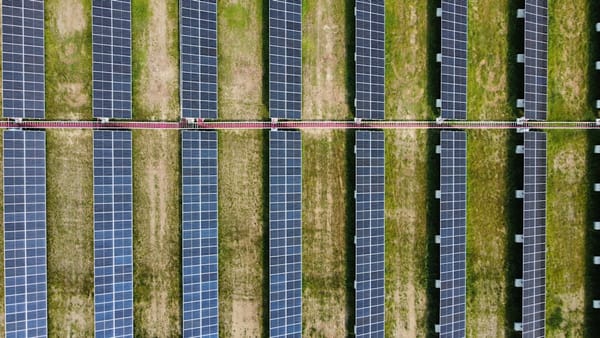
Pakistan reduced its reliance on imported natural gas by expanding solar capacity over the past five years. Now, as the Iran conflict sends oil prices toward $147 a barrel and threatens 90% of Iranian crude exports through the Strait of Hormuz, that investment is the difference between economic resilience and collapse.
The countries weathering this crisis best are not the ones with the largest strategic petroleum reserves or the most aggressive diplomatic postures. They are the ones that built renewable energy infrastructure when oil was cheap and the political will to transition away from fossil fuels was weak. According to NPR reporting, nations with significant solar panel deployment and electric vehicle adoption are experiencing minimal disruption to domestic energy supply, even as global oil markets spiral into chaos. The pattern is clear: energy independence through renewables is not an environmental luxury. It is economic security.
Pakistan's solar expansion offers a concrete example. The country installed distributed solar systems across residential, commercial, and agricultural sectors, reducing its dependence on liquefied natural gas imports that previously left it vulnerable to global price shocks. When Kharg Island was attacked and oil markets convulsed, Pakistan's energy grid absorbed the shock. Households with rooftop solar continued generating power. Farmers with solar-powered irrigation systems kept operating. The broader economy, while not immune to global price increases, avoided the catastrophic energy shortages that are now crippling fossil fuel-dependent nations.
The contrast is stark. Countries that delayed renewable investment or actively resisted it — often under pressure from entrenched fossil fuel interests — are now paying a compounding price. They face not only the immediate cost of surging oil and gas prices but also the long-term economic damage of energy insecurity. Working families in the United States are seeing gas prices hit $5.80, with no domestic renewable infrastructure adequate to offset the burden. Meanwhile, nations with robust EV charging networks and electrified public transit systems are insulating their populations from the worst of the price surge.
This is not a story about virtue. It is a story about preparation. Solar panels and electric vehicles were not adopted in these countries because of moral clarity about climate change. They were adopted because energy imports are expensive, unreliable, and politically destabilizing. Renewable energy offered a path to sovereignty. The fact that it also reduces carbon emissions is a co-benefit, not the driving force. What we are witnessing now is the economic payoff of that pragmatism.
The policy implications are unavoidable. Fossil fuel dependence is not just an environmental risk or a climate risk. It is a national security risk and an economic risk. Every dollar spent subsidizing oil and gas extraction is a dollar not spent building the infrastructure that would insulate a population from the next energy crisis — and there will always be a next one. The Iran conflict will eventually de-escalate or resolve. Oil prices will stabilize. But the structural vulnerability of fossil fuel-dependent economies will remain until governments make the same calculation Pakistan made: that energy security comes from what you can generate domestically, not what you can buy on a volatile global market.
The countries that are surviving this crisis with minimal economic disruption did not get lucky. They made a choice. They built solar farms, subsidized EV adoption, electrified transit networks, and reduced their exposure to the geopolitical chaos that has always defined oil markets. The countries now facing economic collapse made a different choice. They preserved fossil fuel subsidies, delayed grid modernization, and bet that oil prices would stay manageable. That bet has failed, and the cost is being borne by the populations least able to afford it.