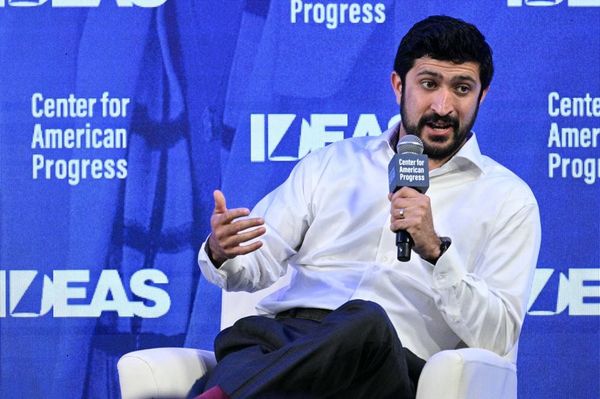
A $70 million AI industry super PAC is reshaping Democratic primaries with the same logic as AIPAC: fund the candidates least likely to regulate you, and make accountability expensive. Greg Casar wants his party to name what's happening before it's too late.
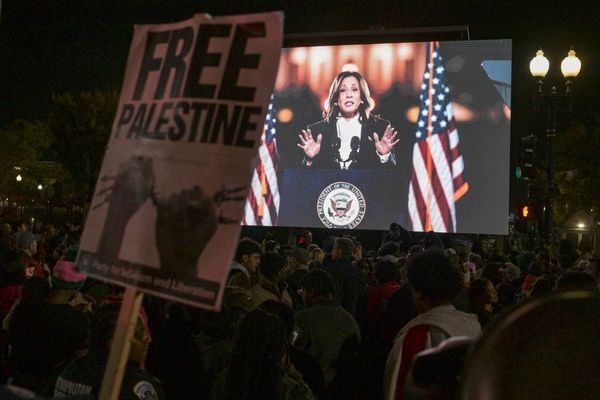
The DNC's autopsy author found that Gaza policy cost Harris measurable votes in Michigan — then kept that chapter out of the official report. The omission tells you exactly who the document was written to protect.
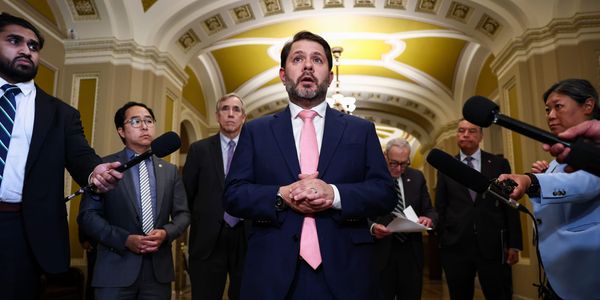
The CLARITY Act would curb Trump's crypto self-dealing. The moderate Democrats backing it are also cashing checks from the industry they'd constrain — exposing a donor dependency that makes the party's anti-corruption posture largely ceremonial.
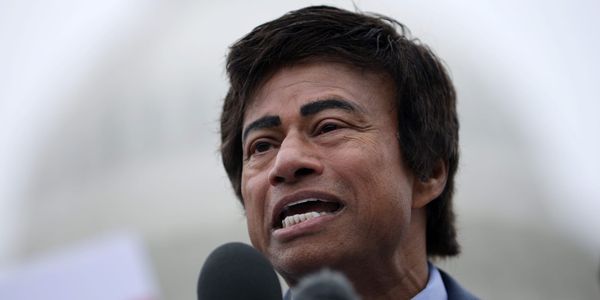
Two-thirds of Rep. Shri Thanedar's campaign cash came through AIPAC bundlers, according to The Intercept — a financial architecture that makes his $600K crypto loss secondary to the deeper question of whose interests a 67-percent-AIPAC-funded congressman actually represents.
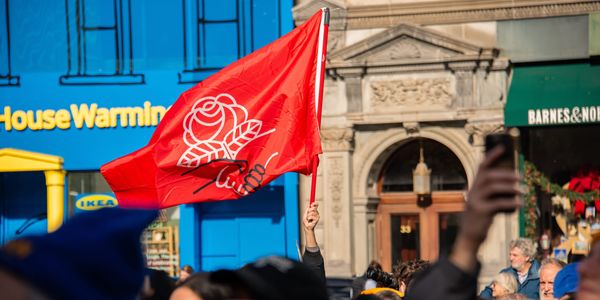
DSA chapters have helped elect more than 300 candidates nationwide — including in Wisconsin, Colorado, and states the Democratic establishment insists are hostile to the left. The coastal fringe story was never a demographic observation. It was a management tool.
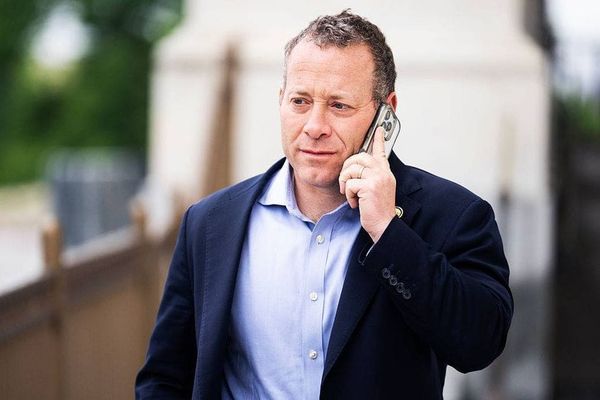
More than a dozen House Democrats signed a manifesto positioning themselves against democratic socialism. An investigation traced the money behind the movement — and found a donor list that reads like a Forbes index.
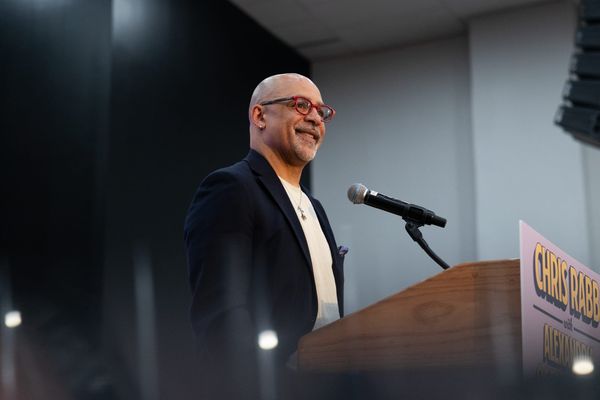
Chris Rabb, backed by the Squad, just won Pennsylvania's bluest House seat despite AIPAC's primary spending. The progressive wing is no longer the insurgency — it's the institution.
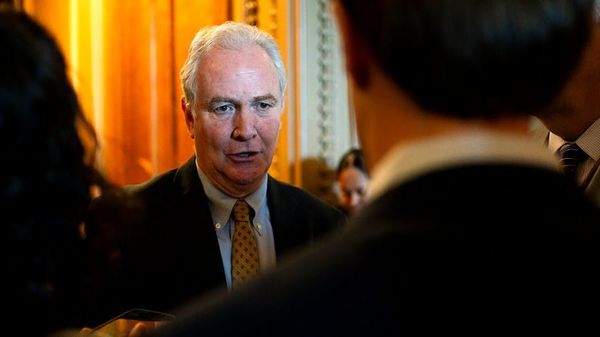
Sen. Chris Van Hollen says Democrats' Israel-Palestine strategy has failed — a public admission from a party insider that is more damning than it first appears. The real question is whether the party mistakes a political reckoning for a moral one.
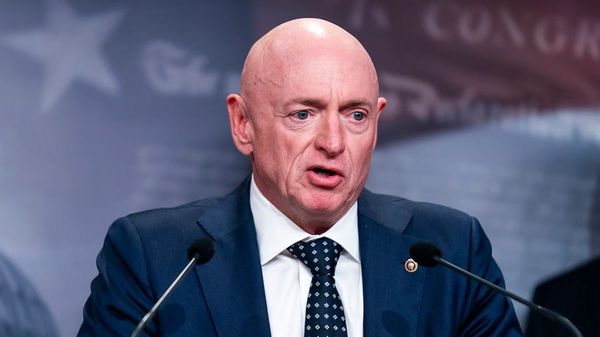
Sen. Mark Kelly's challenge to the Iran war's logic is the most direct Democratic dissent in two months of hostilities — and it exposes a pattern of congressional abdication that has outlasted every American military conflict since 2001.

Forty Senate Democrats voted this week to block arms sales to Israel — up from fifteen a year ago. The Pew data behind that jump tells a story about structural collapse, not a political moment.
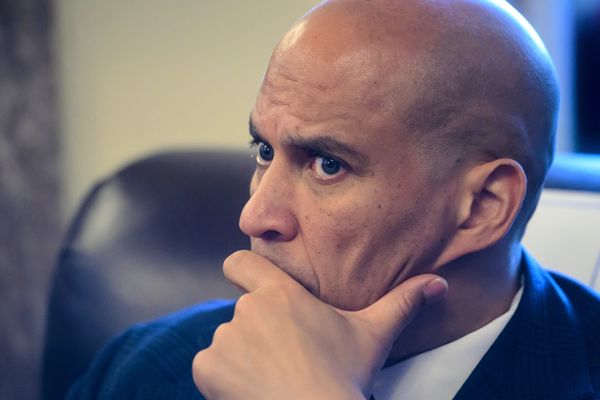
Democratic presidential hopefuls are racing to reject AIPAC's brand. Down-ballot, the party's financial relationship with the lobby is intact — and the lobby knows exactly where its leverage actually lives.

A DNC resolution to reject AIPAC funding forces Democratic leaders to choose between a powerful donor network and a base that increasingly views the pro-Israel lobby as toxic to progressive values.

Governor Kathy Hochul is asking state lawmakers to delay emission mandates in New York's climate law, citing potential utility bill increases — while environmentalists argue she's using fossil fuel price volatility as cover to abandon climate commitments.
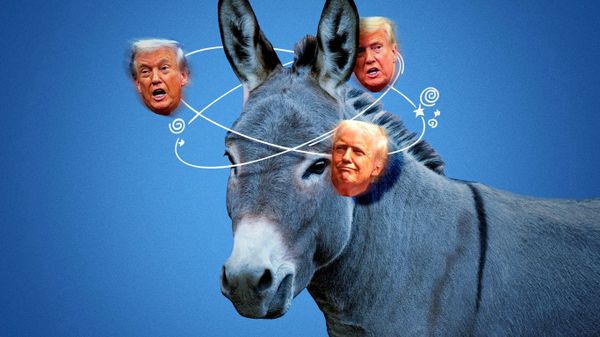
Party strategists worry about winning without Trump on the ballot — but refuse to confront their decades-long abandonment of labor and working families.
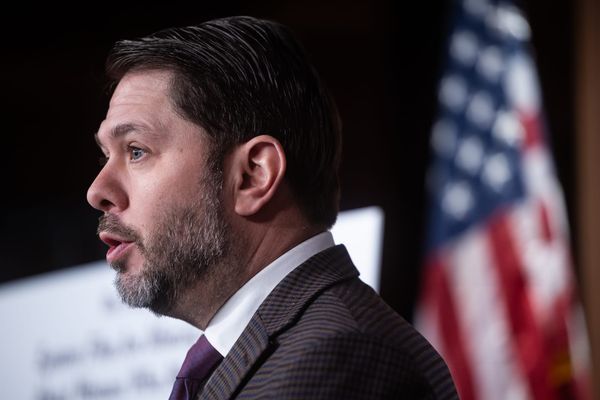
Democratic operatives are recruiting military veterans for 2028, but working-class voters who abandoned the party want economic solutions, not war credentials.