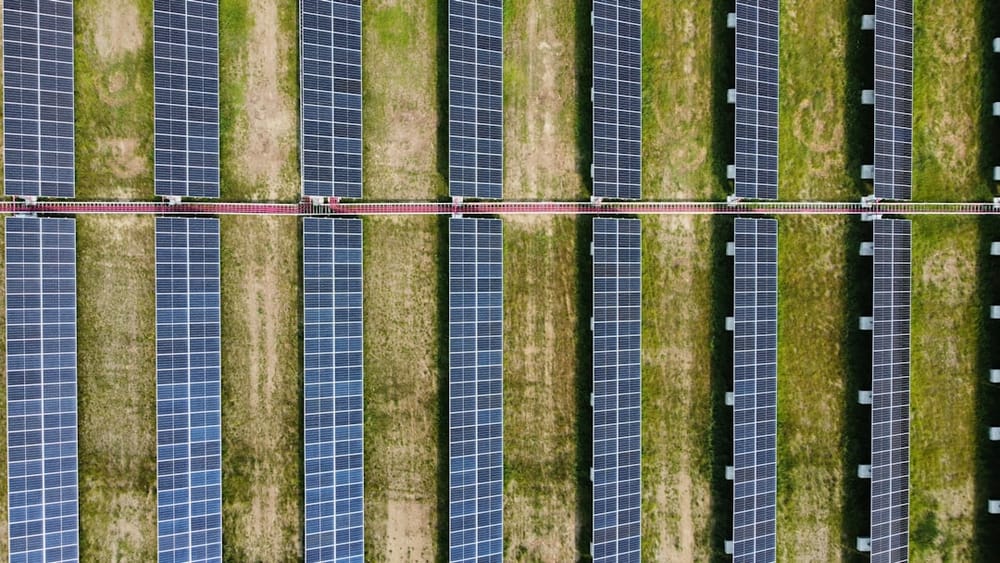
The Trump administration declared victory in January over the dismantling of a $400 billion Department of Energy loan program designed to accelerate the transition to clean energy. Mother Jones reported that the celebration was premature: the program is still operating, loans are still being approved, and billions in federal funding continue to flow to renewable energy projects across the country.
The disconnect reveals something more significant than administrative incompetence. The Inflation Reduction Act, which created the loan program, was structured specifically to withstand political interference. Funds were appropriated in advance rather than allocated year by year through the congressional budget process. That design choice — boring, technical, barely covered when the law passed — is now the reason solar farms in Arizona and battery factories in Georgia are still receiving federal financing despite the White House's stated opposition.
Energy Department officials told Mother Jones that the Loan Programs Office has continued processing applications and disbursing funds under existing statutory authority. The administration's January announcement targeted new loan commitments but did not — and legally could not — claw back money already obligated under signed agreements. Those agreements represent approximately $290 billion in active projects, according to department records.
The confusion extends beyond messaging. Multiple sources within the department described internal directives that contradict each other, with political appointees ordering program freezes while career staff point to legal obligations that require continued disbursement. One senior official, speaking on condition of anonymity, characterized the situation as "a policy announcement in search of a legal mechanism."
This is not the first time the administration has declared climate programs dead while they continue operating. Similar contradictions have emerged around energy infrastructure policy, where political rhetoric about deregulation runs into the reality of multi-year permitting processes that cannot be unwound by executive order alone.
The broader pattern matters because it shapes how the public understands what government can and cannot do. When an administration announces it has eliminated a program that is still functioning, and media coverage treats the announcement as fact, the gap between stated policy and operational reality becomes a form of misinformation. Voters make decisions based on what they believe has changed. Businesses make investment decisions based on perceived regulatory environments. Both groups are operating with incomplete information.

The Inflation Reduction Act's durability was intentional. Democratic lawmakers who wrote the bill studied how previous climate initiatives had been dismantled and built structural protections into the legislation. Mandatory spending rather than discretionary appropriations. Tax credits that flow automatically to qualifying projects. Loan authority that does not require annual reauthorization. These mechanisms were designed to survive exactly the kind of political reversal now being attempted.
What happens next depends on whether the administration can find legal pathways to match its rhetoric. Treasury Department rule changes could restrict which projects qualify for tax credits. The Office of Management and Budget could slow disbursements through administrative delays. But the core funding streams remain protected by the statutory language that created them. Changing that would require Congress to amend the law — a legislative lift that has not materialized despite Republican control of both chambers.
The gap between announcement and implementation creates a strange policy environment where clean energy developers are simultaneously reading headlines about program terminations and receiving disbursement notices for approved loans. Industry sources describe the situation as clarifying: the political noise matters less than the legal structure. As long as the statute remains intact, the money keeps moving.