A lobbying firm with extensive connections to Donald Trump's inner circle now represents white Zimbabwean farmers seeking $3.5 billion in compensation for land seized during the country's controversial reform program two decades ago, BBC News reports. Mercury Public Affairs, whose partners include former Trump campaign officials and Republican operatives, has been contracted to apply U.S. government pressure on Zimbabwe's cash-strapped administration.
The engagement illuminates a familiar pattern in Washington: foreign interests hire firms staffed with former administration officials to convert personal relationships into policy influence. Mercury's roster includes Bryan Lanza, a former Trump transition official, and multiple operatives who maintain direct lines to key decision-makers. Their task is straightforward—transform the grievances of 4,500 predominantly white former commercial farmers into a U.S. foreign policy priority.
Zimbabwe agreed in 2020 to pay $3.5 billion in compensation for infrastructure and improvements on farms seized during Robert Mugabe's fast-track land reform program, which redistributed white-owned commercial farms to Black Zimbabweans. The compensation explicitly excluded payment for the land itself, acknowledging only investments in buildings, irrigation systems, and other improvements. But with Zimbabwe's economy in perpetual crisis, no meaningful payments have materialized.
Mercury's strategy relies on a specific provision of U.S. law that could be devastating for Zimbabwe. The Zimbabwe Democracy and Economic Recovery Act requires American representatives to oppose loans and assistance from international financial institutions until property rights issues are resolved. With Mercury's connections, the farmers hope to ensure strict enforcement of these provisions, effectively blocking Zimbabwe from accessing desperately needed international credit.
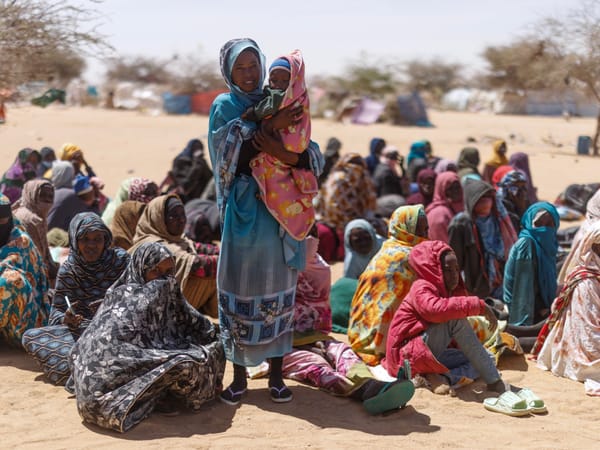
The racial dynamics are impossible to ignore. White farmers, who comprised less than 1% of Zimbabwe's population, controlled 70% of the country's most fertile land before the reform program. Many acquired their holdings through colonial-era dispossession of Black Zimbabweans. Now they seek to use American power to extract billions from a country where 7.9 million people face food insecurity and the health system has essentially collapsed.
This is not Mercury's first venture into controversial African representation. The firm previously worked for Joseph Kabila's government in the Democratic Republic of Congo and has represented various authoritarian regimes seeking Washington's favor. Like defense contractors who profit from conflict, K Street firms monetize their government connections regardless of the human cost.

The farmers' choice of Mercury shows a sophisticated understanding of how Trump-era Washington operates. Rather than pursuing their case through traditional diplomatic channels or international courts, they've opted for the more direct route of hiring people who can get their calls returned at the State Department and Treasury. It's a playbook that foreign interests have perfected: when formal diplomacy fails, buy access.
For ordinary Zimbabweans, the implications are severe. Any U.S. pressure that blocks international lending will further destabilize an economy already ravaged by hyperinflation and decades of mismanagement. The farmers' compensation, even if paid, won't address the healthcare crisis, the education system's collapse, or the widespread unemployment that drives millions to flee the country. Instead, it will likely come at the expense of social services and infrastructure that Zimbabwe's poor desperately need.
The Mercury contract also exposes the hollow nature of U.S. rhetoric about supporting democracy and human rights in Zimbabwe. Just as Russia benefits from U.S. foreign policy chaos, well-connected former colonists stand to profit from American pressure while ordinary Zimbabweans suffer the consequences. The Biden administration may talk about centering human rights in foreign policy, but the infrastructure of influence peddling ensures that those with the best lobbyists—not those with the greatest need—shape policy outcomes.

What makes this particularly galling is the timing. Zimbabwe faces its worst drought in decades, with millions requiring food assistance. The country needs debt relief and development aid, not further economic strangulation on behalf of former colonists seeking compensation. Yet Mercury's influence operation proceeds, converting Beltway connections into pressure on a nation of 15 million people.
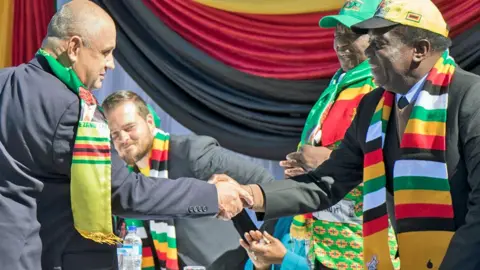
The farmers will likely achieve some success. Mercury's track record and connections suggest they can at minimum ensure strict enforcement of existing U.S. sanctions and potentially push for additional pressure. Whether they secure the full $3.5 billion matters less than the precedent: hiring the right lobbyists can transform a colonial-era grievance into contemporary U.S. foreign policy. For Zimbabwe's poor, already bearing the cost of decades of economic mismanagement, the price of K Street's influence will be measured in deeper poverty and continued isolation from international support.