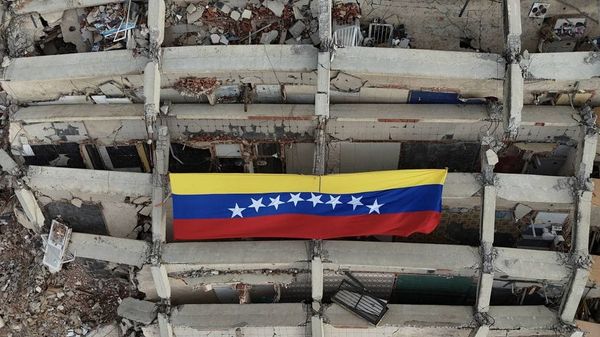
The Trump administration has collected more than $13 billion from Venezuelan oil sales since January. A single $300 million transfer is the only documented disbursement. Congress has no idea where the rest went — and the fund was designed to keep it that way.
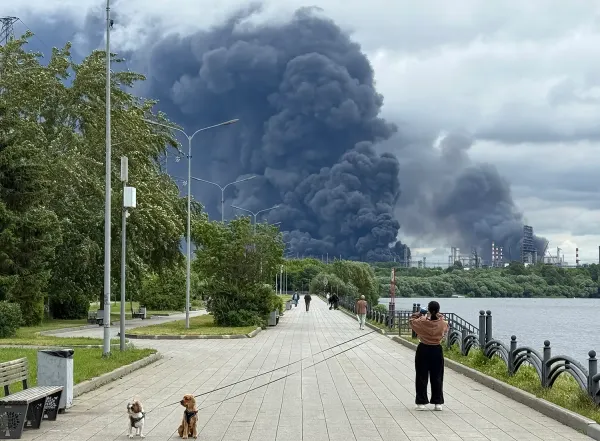
Ukraine has developed a coherent military strategy for ending the war on its terms. The limiting factor is not battlefield capacity — it is whether Western governments will commit the resources that strategy actually requires.
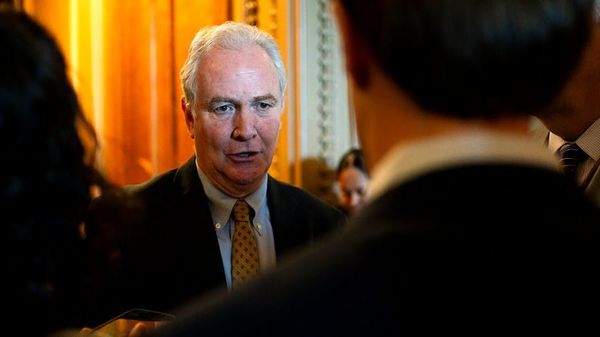
Sen. Chris Van Hollen says Democrats' Israel-Palestine strategy has failed — a public admission from a party insider that is more damning than it first appears. The real question is whether the party mistakes a political reckoning for a moral one.
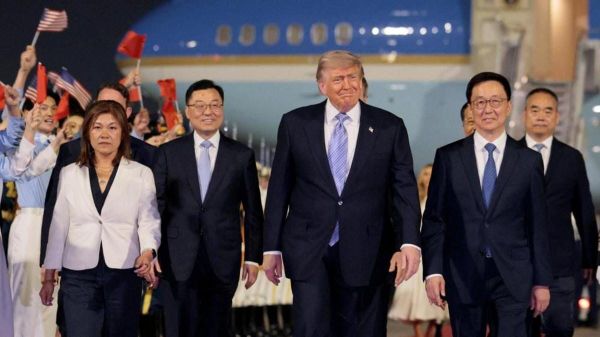
The U.S. president arrives in Beijing for high-stakes talks with Xi — but the Iran war has already reshaped the negotiating table, depleted American leverage, and handed China a diplomatic gift that no trade concession can offset.
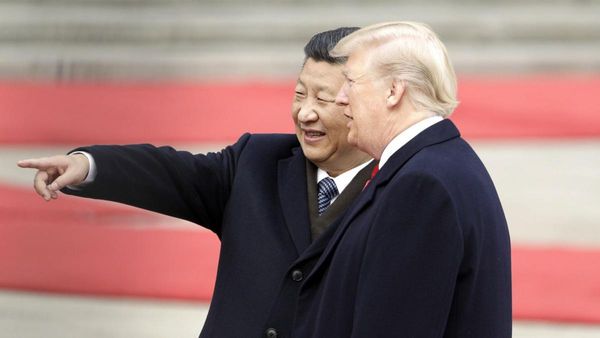
Trump's first trade war gave Beijing seven years to study American pressure tactics and build countermeasures. The second term finds China with diversified trade partners, reduced dollar exposure, and a domestic chip program that sanctions accelerated rather than stopped.
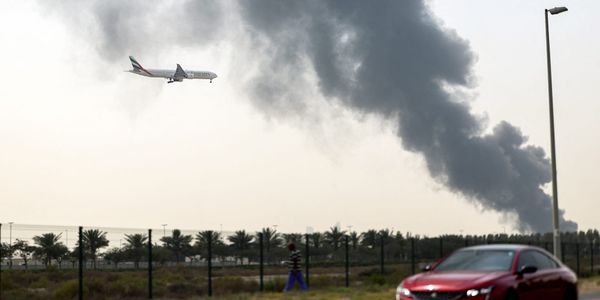
Foreign service officers fired in Elon Musk's workforce purge warn the State Department can no longer evacuate Americans stranded in the Iran conflict. The cuts didn't happen in a vacuum — they happened months before a war broke out in the region.
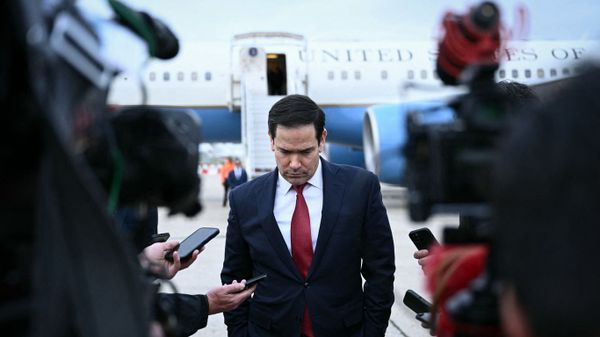
The Secretary of State's admission to G7 allies that the Iran war will extend beyond Trump's original timeline exposes an administration with no clear victory conditions, just arbitrary deadlines that shift with political convenience.
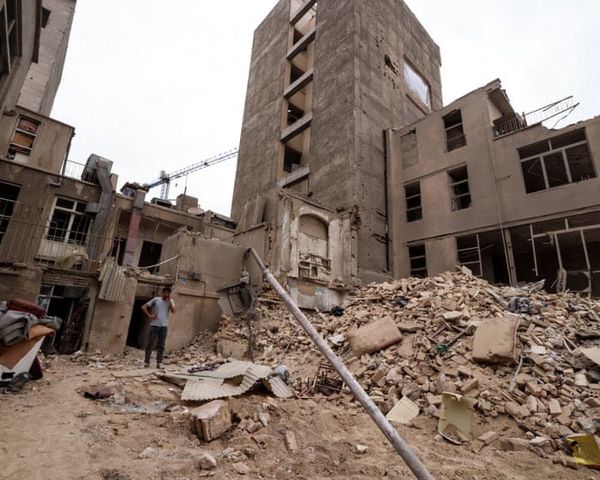
Trump's comment that 'maybe we shouldn't even be there' exposes a president who ordered strikes on Iran without understanding why — while American forces die for objectives he can't explain.

Retired General Stanley McChrystal warns Trump's foreign policy follows a dangerous 'we should because we can' approach, likening it to Dolly Parton's 'Jolene' as strikes expand across three continents.
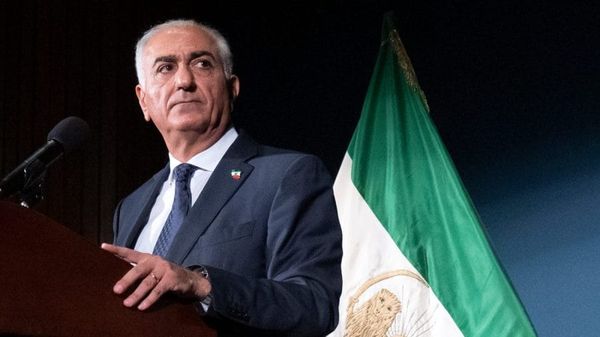
Reza Pahlavi's talks with the Trump administration alarm Iranian democracy advocates who remember what happened when the U.S. last chose their leader.
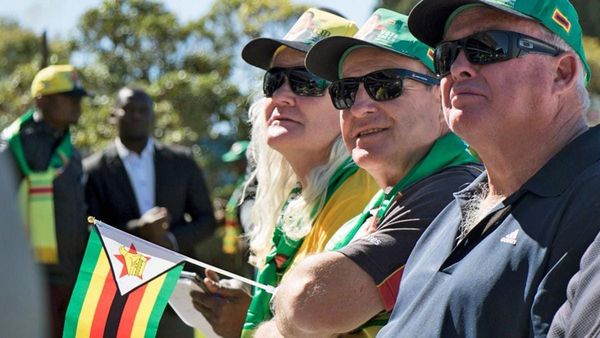
Former commercial farmers dispossessed during Zimbabwe's land reform have hired Mercury Public Affairs, a lobbying firm with deep Trump administration ties, to pressure for $3.5 billion in compensation payments.