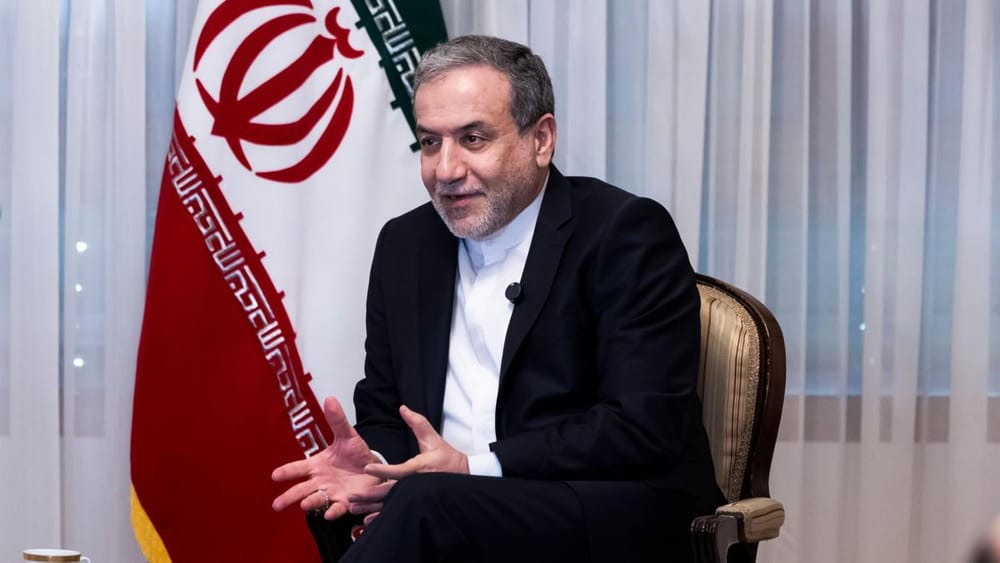
Tehran's foreign minister delivered a stark warning to his British counterpart Yvette Cooper this week: allowing the United States to launch military operations from UK bases constitutes "participation in aggression" that could make Britain a legitimate target for Iranian retaliation. The message, delivered through diplomatic channels and reported by BBC News, marks a significant escalation in Iran's diplomatic pressure campaign as the conflict expands beyond its original boundaries.
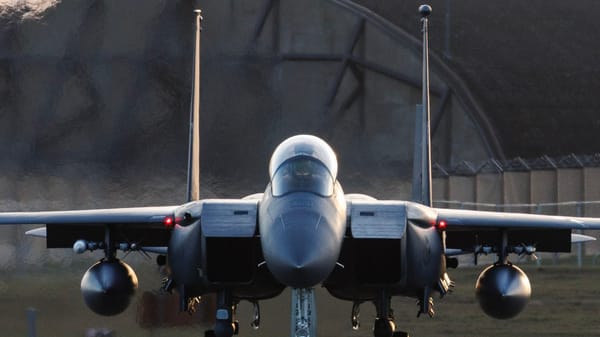
The warning arrives as B-52 bombers and aerial refueling tankers operate from RAF Fairford and other British installations, supporting what has become an open-ended American bombing campaign against Iranian targets. For Britain, this presents a familiar dilemma: how deeply to embed itself in another American military adventure in the Middle East, two decades after the Iraq War destroyed Tony Blair's legacy and British public trust in transatlantic military partnerships.
Iran's calculation appears straightforward. By explicitly threatening consequences for nations that host American military operations, Tehran seeks to fracture the coalition Washington claims to have assembled. The strategy targets the political vulnerabilities of American allies — particularly in Britain, where public opinion remains deeply scarred by the deceptions that led to the Iraq invasion.
The parallels to 2003 are impossible to ignore. Once again, a Labour government faces pressure to support American military action based on contested intelligence claims. Once again, British bases serve as launching pads for strikes whose strategic objectives remain murky. Once again, the British public watches as their government enables a conflict that could spiral into a wider regional war.
But the differences matter too. Unlike Iraq, where Britain deployed 45,000 troops in a ground invasion, current British involvement remains limited to hosting American aircraft and providing intelligence support. This technical distinction may not protect Britain from retaliation, but it allows the Starmer government to claim it is not directly participating in combat operations — a legal and political firewall that may turn out meaningless if Iranian missiles start targeting RAF bases.
The Iranian warning also exposes the fiction of limited war in an interconnected region. When American B-52s take off from Gloucestershire to bomb targets in Iran, the distinction between combatant and non-combatant nations dissolves. Every refueling stop, every radar station, every logistics hub becomes part of the war machinery. Iran's message to Britain is simple: you cannot claim neutrality while hosting the infrastructure of war.
For Prime Minister Keir Starmer, the timing could not be worse. His government faces economic crisis at home, with gas prices soaring past $5.80 due to the same conflict his government enables through base access. British families struggle with heating costs while their government provides runways for bombers that help drive global energy prices higher — a contradiction that will not be lost on voters.
The British foreign office response has been predictably cautious, neither confirming nor denying the specific nature of American operations from UK soil. This strategic ambiguity served previous governments well when the conflicts remained distant and abstract. But Iran's explicit warning changes that calculation. Tehran has put London on notice: hosting American military operations means accepting the risk of becoming a battlefield.
Britain's military establishment understands these risks. RAF bases that host American operations have upgraded their defensive systems in recent months, according to defense sources. Air defense batteries that once seemed like Cold War relics have been quietly modernized. Emergency response protocols now include scenarios for missile attacks on British soil — preparations that suggest military planners take Iran's threats more seriously than politicians admit publicly.
The broader pattern here extends beyond Britain. Across Europe and the Gulf, American allies face similar pressure from Tehran to limit their cooperation with US military operations. Some have already stepped back. Germany has restricted the use of its bases for Iran-related operations. Several Gulf states have privately communicated to Washington that their territories cannot be used for strikes that might invite Iranian retaliation on their cities.
This fracturing of allied support represents a strategic victory for Iran before any missiles fly. By raising the stakes for America's partners, Tehran forces each ally to calculate whether enabling US operations is worth becoming a target. For democracies like Britain, where public opinion matters and war exhaustion runs deep, these calculations become particularly complex.
The British public's response remains the crucial unknown. Polling shows deep skepticism about military involvement in Middle East conflicts, a legacy of Iraq that no amount of government messaging has overcome. If Iran follows through on its threats and British bases come under attack, public pressure to end cooperation with American operations could become overwhelming. Starmer's government would face the same choice that destroyed Blair: continue supporting an unpopular war or break with Washington.

Iran's diplomatic offensive also makes plain the limitations of American military power. Despite possessing overwhelming conventional superiority, the United States depends on a network of bases and allies to project that power globally. When allies begin questioning whether hosting American operations serves their interests, the entire architecture of US military dominance becomes vulnerable.
For now, British officials maintain that hosting American aircraft falls within existing defense agreements and does not constitute direct participation in hostilities. This legal position may satisfy international lawyers, but it will offer little comfort if Iranian missiles start falling on British soil. The distinction between hosting military operations and participating in them becomes academic when your airfields are burning.
The warning to Britain also serves Iran's domestic messaging needs. As Israeli and American bombs continue to fall on Iranian targets, Tehran must show it can impose costs on its adversaries. Threatening American allies provides a way to project strength without directly confronting US military power — a careful calibration that suggests Iran seeks negotiating position rather than unlimited escalation.
Yet the very delivery of such warnings indicates how far the conflict has already expanded beyond its initial boundaries. When Iran threatens Britain over American operations launched to support Israeli objectives, the web of alliances and conflicts appears increasingly unstable. Each nation's involvement creates new vulnerabilities and potential flashpoints.
Britain's response in the coming days will signal whether American allies are willing to accept unlimited risk for a war that lacks clear objectives or congressional authorization. If London steps back from hosting US operations, others may follow. If Britain holds firm despite Iranian threats, it accepts that RAF bases could become the next front in an expanding regional war.
Twenty years after Iraq, Britain faces the same fundamental question: how much risk is the special relationship worth? The answer may determine not just the future of American military operations, but whether the conflict remains contained or spreads to European soil. Iran has made its position clear. The next move belongs to London.