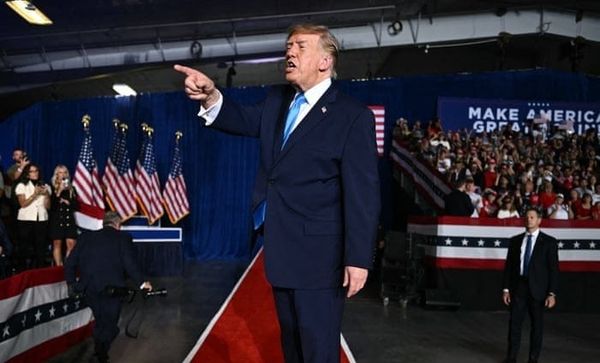
Trump speculated at a Nebraska rally that Iran could strike Los Angeles or San Diego. One Republican candidate objected. His party said nothing — and that silence is the story.
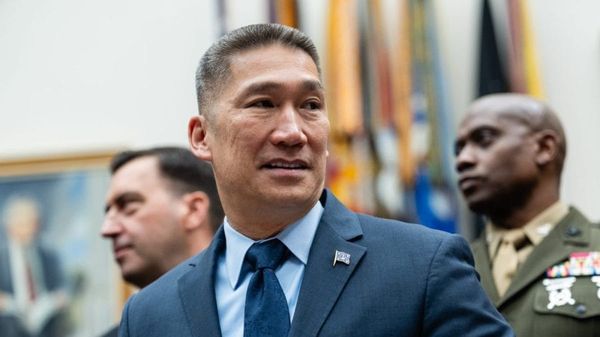
Acting Navy Secretary Hung Cao confirmed eight suicide attempts among sailors on the USS Abraham Lincoln carrier strike group — disclosed in a letter to a senator, not a hearing. The figure is a measure of what prolonged, unauthorized deployment does to the people executing it.
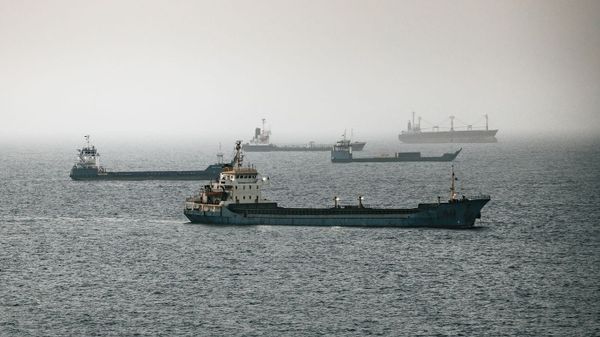
Iran struck three commercial ships in the Strait of Hormuz within 24 hours, unraveling a memorandum of understanding signed less than three weeks ago — and exposing the pattern of agreements that were always designed to be temporary.
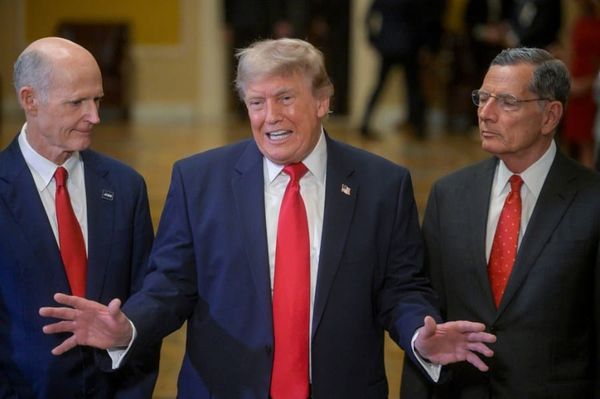
The Senate voted to constrain the Iran war on Tuesday. By Wednesday, it had reversed itself under presidential pressure. What happened in those 48 hours is not a political story — it's a constitutional one.
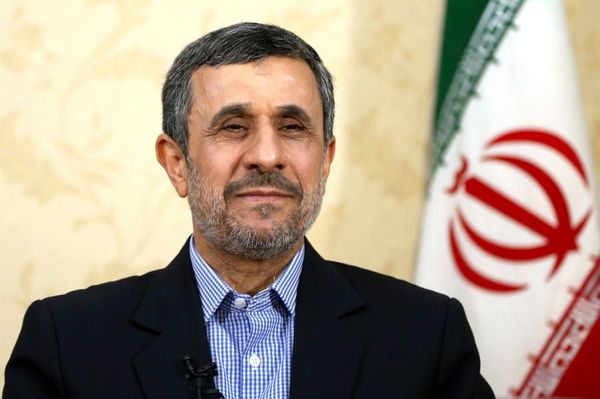
U.S. and Israeli officials reportedly planned to install Mahmoud Ahmadinejad — the Holocaust-denying former president who called for Israel's destruction — as Iran's next leader. The strategic incoherence is not a planning failure. It's a confession about what the war was always for.

Since U.S. and Israeli strikes began February 28, Iran has executed at least 32 verified political prisoners. The war didn't build Tehran's repression — but it gave the regime exactly what it needed: the world's attention fixed on bombs while the executions proceed in the background.
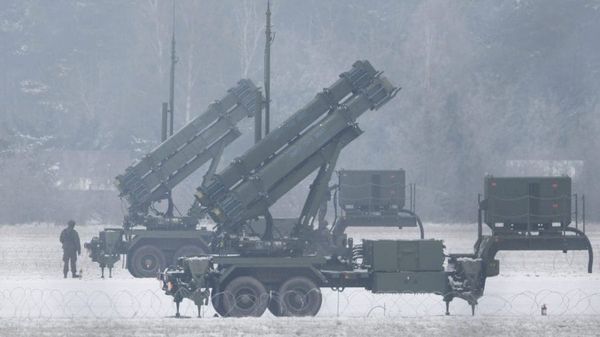
The State Department approved more than $8 billion in arms to Gulf nations and Israel last Friday. Every recipient is actively involved in a war Congress never authorized — and the clock to block the sales is already running.
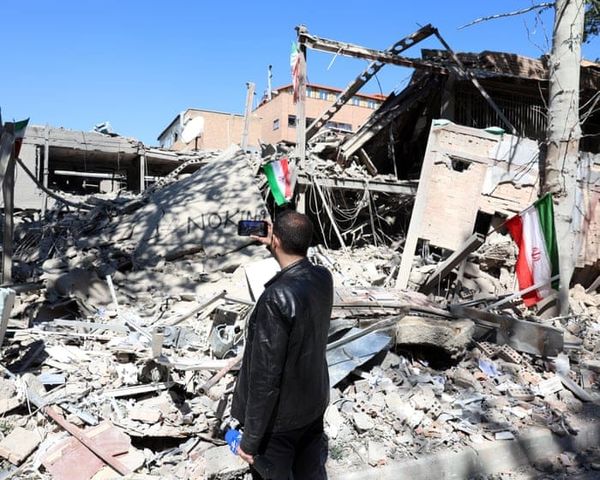
The Senate's seventh war powers vote on Iran failed 49 to 50 — the closest margin yet. Republican defections are growing with each attempt, and the constitutional question of who authorizes this war remains unanswered.
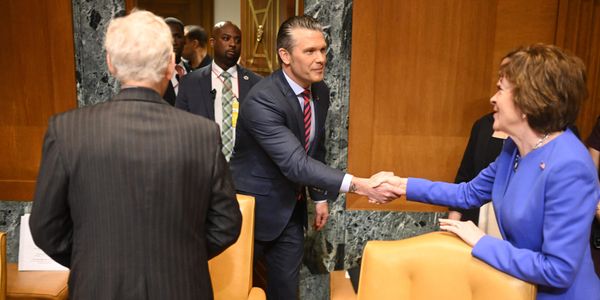
Pete Hegseth brought a $1.5 trillion Pentagon budget request to Capitol Hill — and no accounting of how much is funding a war Congress never authorized. That omission is the strategy.

Pete Hegseth told Congress the White House doesn't need war authorization for Iran. What he described is the effective abolition of Article I's war powers clause — stated plainly, in a congressional hearing, with no apparent consequence.
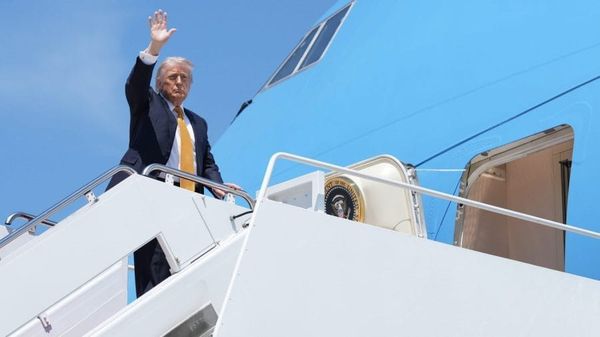
Trump told reporters Tuesday that the financial situations of Americans motivate him 'not even a little bit' during Iran negotiations — an admission that directly contradicts the economic justifications his administration has offered for the conflict.
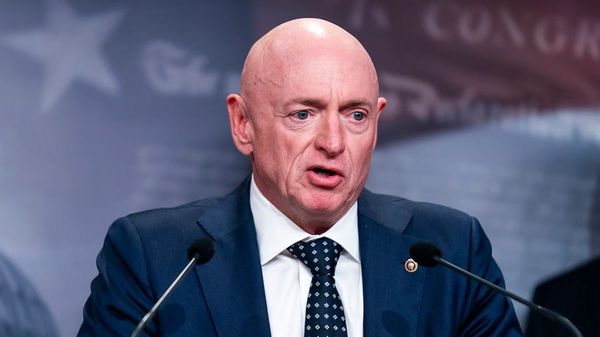
Sen. Mark Kelly's challenge to the Iran war's logic is the most direct Democratic dissent in two months of hostilities — and it exposes a pattern of congressional abdication that has outlasted every American military conflict since 2001.
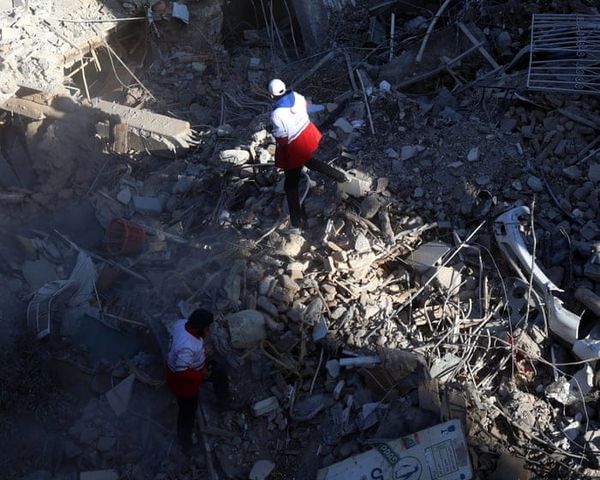
Retired admiral Michael Smith called Trump's Iran threats 'likely war crimes.' The harder question — whether active-duty commanders will follow or refuse an unlawful order — is one the military's civilian leadership has spent months making more dangerous to answer.
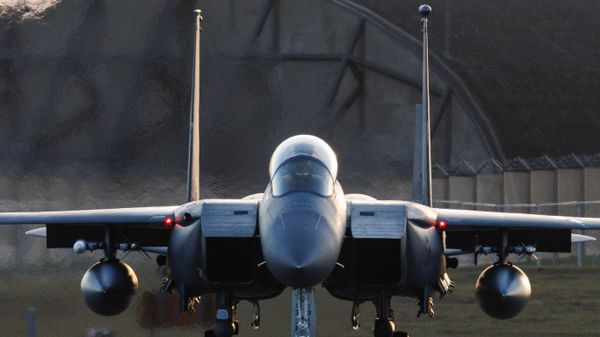
An F-15E Strike Eagle shot down over Iran is the first U.S. aircraft lost to enemy fire in the current conflict — and direct evidence that the administration's public case for this war was built on a false premise about Iranian military capability.
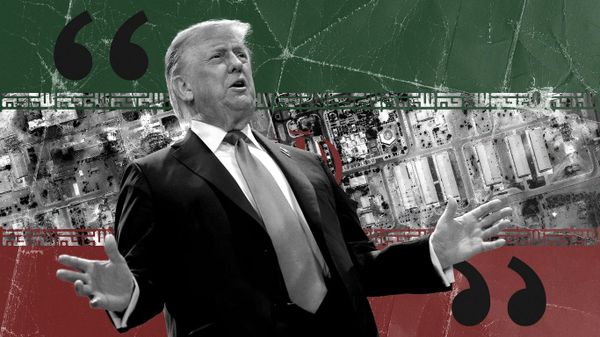
Trump admits he won't call Iran a 'war' because Congress would need to approve it — exposing how executive power has rendered constitutional checks meaningless.
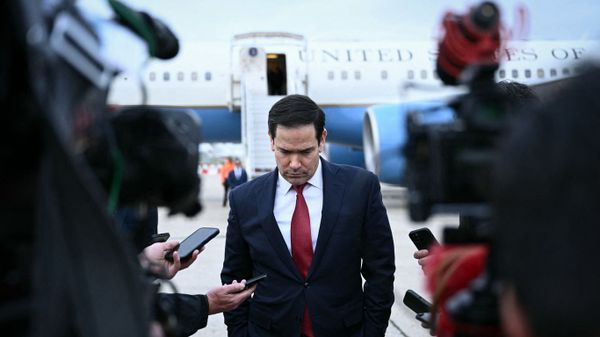
The Secretary of State's admission to G7 allies that the Iran war will extend beyond Trump's original timeline exposes an administration with no clear victory conditions, just arbitrary deadlines that shift with political convenience.