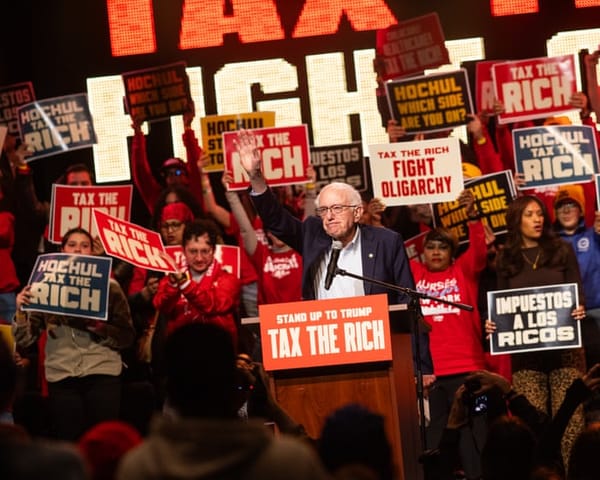
New York Governor Kathy Hochul traveled to Tonawanda this week to ask state lawmakers to delay emission reduction mandates in the state's own climate law, arguing that meeting the targets could cause utility and gas bills to spike. According to The Hill, environmentalists and Democratic lawmakers are responding with a blunt counter-argument: the governor is using the global volatility of fossil fuels as an excuse to gut environmental protections at precisely the moment they matter most.
The contradiction is striking. Hochul is citing high energy costs — driven by fossil fuel price instability — as justification for delaying a transition away from fossil fuels. The state's Climate Leadership and Community Protection Act, signed into law in 2019, set binding targets to reduce greenhouse gas emissions 40 percent by 2030 and 85 percent by 2050. Hochul now wants to push those deadlines further into the future, framing the delay as protection for ratepayers. Environmental advocates say she is protecting the status quo instead.
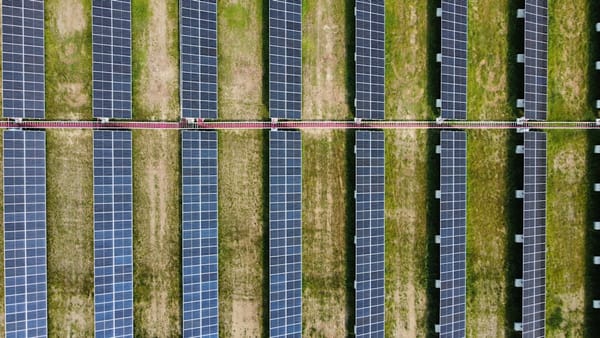
New York is not unique in this political moment. Across the country, Democratic governors and lawmakers who championed climate legislation during stable economic periods are now retreating when the political cost of action arrives. The pattern mirrors the broader Democratic struggle to maintain policy commitments when working-class voters face immediate economic pain. But the governor's argument contains a fatal flaw: the very price volatility she cites as reason to delay is a feature of fossil fuel dependence, not a bug. Renewable energy infrastructure insulates consumers from global oil and gas market shocks. Delaying the transition locks New York into continued exposure.
The timing is particularly damaging. Global oil markets are in turmoil, with prices spiking due to geopolitical instability and supply chain disruptions. Countries that invested heavily in solar and electric vehicle infrastructure are weathering the crisis with far less economic damage than fossil fuel-dependent economies. New York had the opportunity to accelerate that transition. Instead, Hochul is proposing to slow it down, ensuring the state remains vulnerable to the next oil shock, and the one after that.
Environmental groups are not buying the governor's framing. They argue that delaying emission mandates will not lower utility bills in any meaningful way — it will simply postpone the infrastructure investments that would stabilize energy costs over the long term. The governor's proposal also ignores the cost of inaction: increased flooding, more severe storms, and the economic damage climate change is already inflicting on New York communities. Those costs do not appear on a utility bill, but they are real, and they are rising.
What Hochul is revealing is not a policy dilemma but a failure of political will. Climate action becomes politically difficult the moment it requires asking voters to accept short-term costs for long-term stability. That difficulty is real. But it is also the test every climate policy will eventually face. Hochul is choosing to fail that test early, before the transition has even meaningfully begun. The result is a state that will spend the next decade paying higher energy costs, absorbing more climate damage, and falling further behind regions that made different choices.
The governor's argument might resonate with voters worried about their next utility bill. But it is a argument built on a false premise: that fossil fuel dependence is cheaper than the alternative. It is not. It never has been. And every delay makes the eventual transition more expensive, more disruptive, and more politically painful. New York had a climate law designed to avoid that outcome. Now it has a governor asking lawmakers to ignore it.