The U.S. Justice Department closed its own Epstein investigation years ago. It charged Ghislaine Maxwell, secured a conviction, and declared the matter largely resolved. What it did not do was hand over the files to the one state that is still actively looking.
New Mexico Attorney General Raúl Torrez has been seeking unredacted Epstein records since February, when state lawmakers launched a criminal investigation into allegations that Epstein trafficked and sexually abused women and girls at his Zorro Ranch property outside Santa Fe. As Axios reported, that dispute escalated sharply on Tuesday when Torrez's office announced on X that the DOJ's Southern District of New York had called to inform them it "will NOT cooperate and will not support the only active criminal investigation into Jeffrey Epstein."
The federal DOJ pushed back immediately. A spokesperson told Axios the characterization was "false" and that capitulating to New Mexico's demands "would be to break federal law." The spokesperson added: "Federal law, court orders and privacy protections for victims and witnesses do not allow us to release millions of unredacted documents, regardless of any deadline set by NMDOJ."
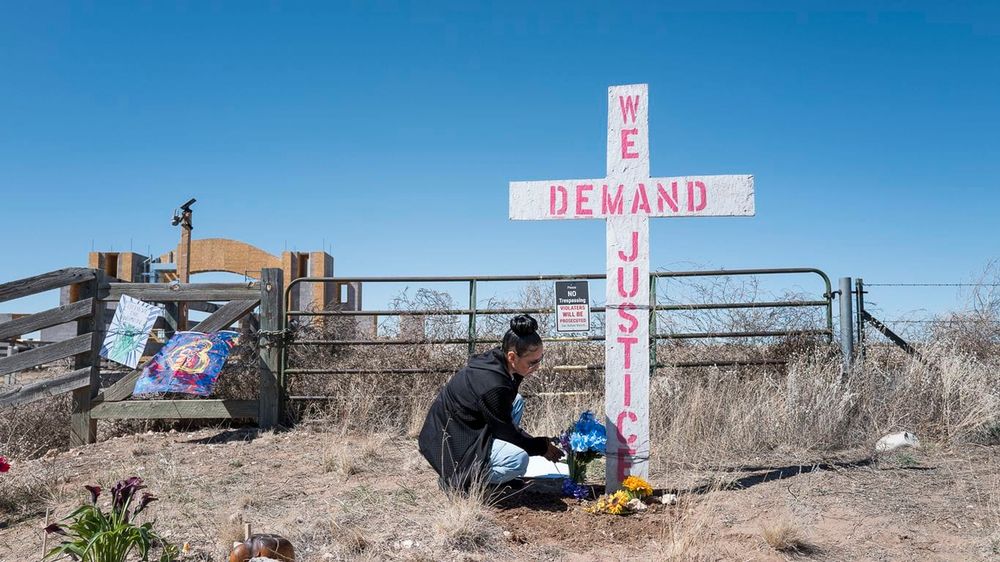
In February 2026, New Mexico lawmakers announced a criminal investigation into Jeffrey Epstein's Zorro Ranch near Santa Fe. The state AG's office sought unredacted access to a 2019 anonymous email alleging two "foreign girls" were buried at the property. A prior New Mexico criminal investigation ended in 2019 with no charges filed. Epstein accuser Annie Farmer testified at the 2021 Maxwell trial that Maxwell abused her at the ranch when she was 16.
Both things can be true: federal privacy statutes do impose real constraints on disclosing victim and witness information, and the DOJ can simultaneously use those constraints as cover for stonewalling an investigation that could embarrass powerful people. These are not mutually exclusive. The question worth asking is which one is actually driving the refusal — and whether the current DOJ leadership has any interest in answering it honestly.
That question becomes sharper when you consider who is running the Justice Department right now. Acting Attorney General Todd Blanche — to whom Torrez addressed his initial letter — was Donald Trump's personal defense attorney before taking the job. He represented Trump in the federal criminal cases that the DOJ subsequently dropped. The pattern of the DOJ acting as a political instrument rather than an independent law enforcement body has been documented repeatedly since January 2025. The Epstein file dispute fits that pattern, even if it does not prove it.
Torrez gave the federal DOJ until July 31 to respond before his office pursues what he called "all available legal remedies." That deadline is days away. The specific records at issue include a 2019 anonymous email alleging that two "foreign girls" were buried at Zorro Ranch — a claim serious enough that the New Mexico AG's office flagged it explicitly in its February letter to Blanche. The DOJ has acknowledged receiving the request. It has provided, in Torrez's words, no substantive response.
This is not the first time Epstein survivors have found themselves in conflict with the federal government over what it chooses to disclose. Epstein survivors have already sued the DOJ and Google for exposing their private information in federal files — the same files the DOJ now claims it cannot release to protect those same survivors. The DOJ's position on victim privacy has been, to put it carefully, situationally applied.
The Maxwell conviction in 2021 established that Epstein's abuse was not a solo operation. It named a convicted co-conspirator. It did not name the people Maxwell and Epstein allegedly supplied. The federal investigation that should have followed that conviction — the one that would have traced Epstein's network beyond two individuals — was never pursued with anything resembling the urgency the facts demanded. Attorney General Pam Bondi has already blocked congressional oversight of Epstein files, claiming executive privilege — a pattern of federal obstruction that predates and now encompasses the New Mexico dispute.
New Mexico is now the last jurisdiction actively pursuing criminal leads. Its attorney general has set a deadline. The federal government has declined to meet it. When Torrez pursues legal remedies after July 31, the litigation will force into the public record exactly which documents the DOJ is withholding, under what authority, and what specific court orders it claims prevent disclosure. That record will be harder to manage than a phone call declining cooperation. The people with reason to fear that record know who they are.