The Roadless Area Conservation Rule has stood for 24 years. It protects 45 million acres of national forest — old-growth rainforests in Alaska, sky island ranges in the Southwest, headwater streams in Appalachia — from commercial logging and industrial road construction. The current administration wants to end it. If it does, the Center for Biological Diversity projects that 400 species will be placed on what the organization calls an "extinction fast track."
That framing — extinction fast track — is precise, not hyperbolic. The Center's study, titled "Deadly Incursions," documents exactly which species, which habitats, and which downstream systems would be affected. The numbers are not projections from worst-case models. They are counts of what already exists in those 45 million acres, and what disappears when the roads go in.
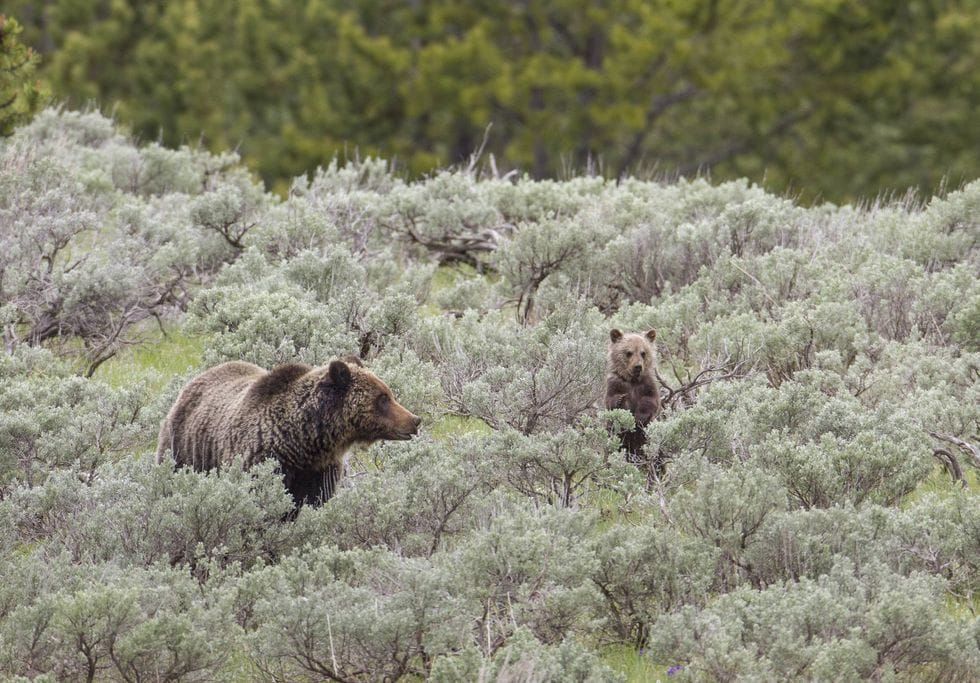
The ecological case against repeal is documented and specific. According to the Center for Biological Diversity's analysis, rescinding the rule would put 7.4 million acres of designated critical habitat at risk, along with nearly 1,800 miles of protected rivers and streams. Eighty-eight federally protected animals and plants — species with designated critical habitat in or adjacent to roadless areas — would face direct threat. Among them: grizzly bears, Canada lynxes, and native fish. Another 300-plus species protected under the Endangered Species Act live in roadless areas but lack designated habitat protections, making them particularly vulnerable to the kind of incremental destruction that road construction enables.
The mechanism matters. Roads don't just fragment habitat — they accelerate erosion, sending sediment into waterways that raises water temperatures, smothers spawning beds, and degrades downstream water quality. The study names the specific species that would pay the price: Chinook salmon, bull trout, candy darters, freshwater mussels, frogs whose critical habitat lies outside roadless areas but downstream from them. Industrial logging doesn't stop at the tree line.
Here is what the coverage of this rollback has mostly missed: this is not primarily a story about wildlife. It is a story about infrastructure. National forests are the largest source of municipal drinking water in the United States, serving more than 60 million people across 33 states. The Roadless Rule is, among other things, a water protection policy. When logging increases erosion and sediment load in headwater streams, the communities downstream — cities and towns that depend on those watersheds — face higher treatment costs, degraded water quality, and long-term supply risk. Repealing the rule doesn't just threaten grizzly bears. It threatens the drinking water of tens of millions of Americans who have never thought about the Tongass National Forest.
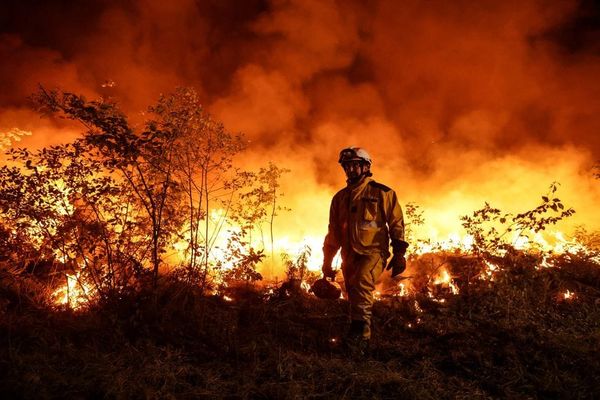
The fire risk dimension compounds the stakes. Research cited in the Center's study found that wildfires are four times as likely to occur in areas with roads than in roadless forest. The Forest Service currently manages approximately 370,000 miles of roads — roughly eight times the length of the interstate highway system. Opening 45 million more acres to road construction would add significantly to a road network the agency already cannot maintain, in forests already under pressure from drought and warming temperatures. The administration's stated rationale for the rollback — expanding timber supply, supporting rural economies — collides directly with the documented evidence that logging roads increase, not decrease, catastrophic wildfire risk.
Enacted in 2001 under the Clinton administration after one of the largest public comment processes in U.S. regulatory history — with nearly two million public submissions — the Roadless Area Conservation Rule prohibits road construction and most commercial timber harvesting in designated roadless areas of national forests. It does not close forests to hiking, hunting, or recreation. It protects the last large, ecologically intact tracts of public land from industrial extraction. The rule has survived multiple legal challenges and two previous attempts at repeal.
The old-growth dimension adds another layer. Many roadless areas contain mature and old-growth forests that function as significant carbon sinks, absorbing and storing carbon at scale. Logging these forests releases stored carbon, directly worsening the climate conditions that are already accelerating species loss, drought, and wildfire. The administration is proposing, in effect, to cut down the forests that are currently doing some of the work of keeping the climate crisis from getting worse — while simultaneously rolling back emissions rules that might slow it from the other direction. As Tinsel News has documented, corporate climate pledges consistently diverge from corporate behavior; the same logic applies to federal land management, where stated conservation goals and actual policy choices have moved in opposite directions.
The money behind the repeal clarifies what the wildlife and water arguments alone cannot. The timber industry has been fighting the Roadless Rule since the day it was finalized. The rule's 2001 enactment came after industry lobbying failed to stop it through the comment process; subsequent legal challenges — some industry-backed, some state-backed at industry urging — attempted to unravel it in court. Those efforts largely failed. What litigation could not accomplish, a sympathetic administration may now achieve through regulatory rollback. The beneficiaries of repeal are not rural communities facing timber shortages. They are the commercial logging operations and industrial developers who have been waiting two decades for access to the last unroaded public lands in the country.
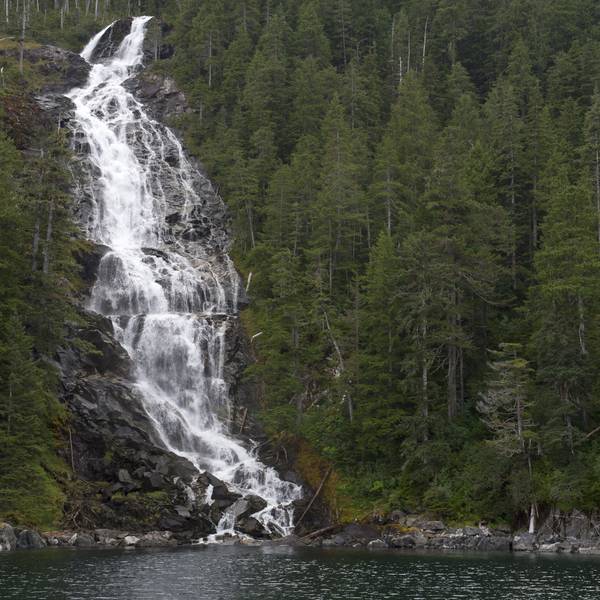
The distribution of costs is direct: who bears the cost of this decision, and who captures the benefit? The 60 million people whose drinking water flows from national forest watersheds bear the cost. The 400 species facing accelerated extinction bear the cost. The communities in fire-prone regions that would face increased wildfire risk bear the cost. The timber and extraction industries that gain access to 45 million acres of previously protected land capture the benefit. This is not a complicated distributional analysis. The administration is proposing to transfer a public asset — intact, functioning ecosystems that provide clean water, carbon storage, and habitat — to private extractive interests, and to distribute the resulting ecological damage across the public broadly.
The species most at risk are not abstractions. Mexican spotted owls and Gila trout in the Southwest. Rare butterflies and wildflowers that exist nowhere else. Grizzly bears in already-fragmented habitat. These are not species on the margins of viability — they are species that have survived because the roadless rule held the line. The Center for Biological Diversity's study makes clear that the line, once broken, does not get redrawn. Road construction is not reversible on any timescale that matters for wildlife recovery. The old-growth forests that would be logged took centuries to develop. The carbon they store does not return to the atmosphere slowly. The salmon runs that depend on cold, clear headwaters do not recover from sedimentation in a policy cycle.
The Roadless Rule has now survived two Republican administrations, multiple legal challenges, and industry lobbying campaigns spanning a quarter century. It has survived because the public comment record — nearly two million submissions in 2001 — demonstrated overwhelming public support, and because the ecological and water-supply arguments for protection are not seriously contested by the science. What is different now is the regulatory environment: an administration willing to use the rulemaking process to accomplish what litigation could not, in a political moment when environmental rollbacks face less institutional resistance than at any point since the rule's enactment. The forests protected by the Roadless Rule will not disappear overnight. But the rule that kept them intact, once gone, is not easily restored — and the species that depend on it do not wait for the next administration.
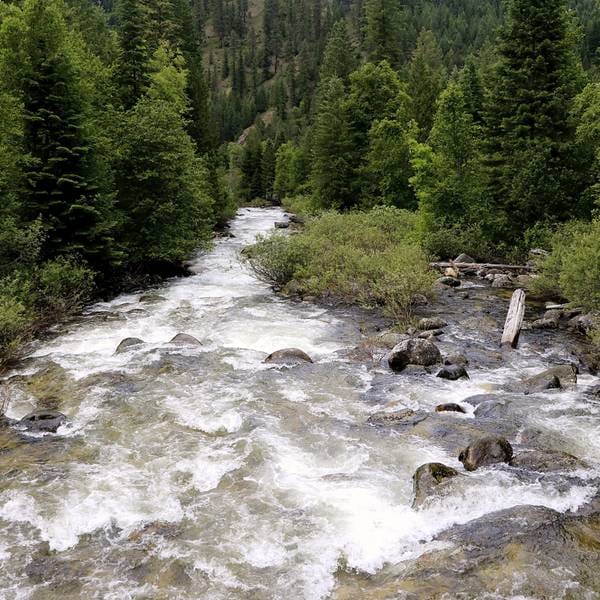
As Tinsel News has reported, the EPA's concurrent rollback of drinking water protections follows the same structural logic: regulatory capture by the industries that stood to gain, distributed costs borne by the public, and scientific evidence treated as an obstacle rather than a constraint. The Roadless Rule repeal fits that pattern precisely. The question is not whether the ecological case for protection is strong — it is, and it is documented. The question is whether the administrative process designed to protect public lands can withstand an administration that has decided the answer to that question doesn't matter.