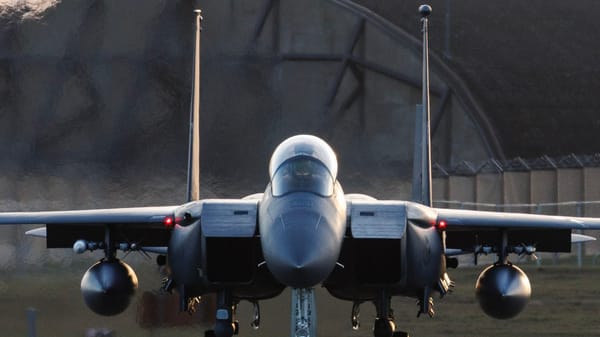
The oil benchmark Brent crude hit $94 per barrel this week — its highest level since October 2023 — as U.S. military strikes against Iranian infrastructure entered their third week. For Russian President Vladimir Putin, watching from Moscow as Western attention pivots sharply toward Tehran, the timing could not be better.
Russia's economy, strained by nearly three years of sanctions over its invasion of Ukraine, runs on oil revenue. Every $10 increase in the per-barrel price translates to roughly $20 billion in additional annual export income for the Kremlin. According to BBC News, European and American policymakers are now quietly discussing whether sanctions relief for Russia might stabilize global energy markets disrupted by the Iran conflict — a conversation that would have been politically unthinkable just months ago.
The logic is straightforward, if morally uncomfortable: with Iranian oil exports effectively halted by U.S. naval blockades and airstrikes on refinery capacity, global supply has tightened dramatically. Russia, still the world's second-largest crude exporter despite sanctions, suddenly holds leverage it has not enjoyed since early 2022. European officials, facing voter anger over energy costs, are weighing whether maintaining the full sanctions architecture is sustainable when households are paying winter heating bills 40% higher than last year.
This is not an accident of timing. It is the predictable outcome of launching a major military operation in one of the world's most critical energy-producing regions without accounting for who benefits from the resulting chaos. The Trump administration has framed its escalation against Iran as necessary to counter Tehran's nuclear program and regional aggression. But the second-order effects — higher oil prices, sanctions fatigue, distracted Western coalitions — amount to a strategic gift to Moscow.
The sanctions regime against Russia, painstakingly constructed over two years and involving coordination across the G7, the European Union, and dozens of other nations, depended on sustained political will. That will erodes quickly when voters are angry about prices at the pump. Germany, which has led European efforts to maintain unity on Ukraine, is now facing a recession partly driven by energy costs. France is dealing with nationwide strikes over inflation. The United States, which convinced European allies to absorb economic pain in the name of isolating Russia, is now the country creating new energy market disruptions.
Putin does not need to lift a finger. He simply needs to wait. Oil revenues are already recovering. The ruble, which had weakened significantly under sanctions pressure, has stabilized. European resolve, as measured by polling on continued support for Ukraine, is softening. And every day the international news cycle is dominated by Iran is a day it is not focused on Ukrainian cities under Russian bombardment or the grinding attrition war in Donbas that has killed tens of thousands.
There is a broader pattern here, one that extends beyond this specific conflict. U.S. military interventions in the Middle East have a documented history of producing unintended beneficiaries. The 2003 invasion of Iraq eliminated Iran's primary regional rival and enabled Tehran's expansion of influence across the Levant. The chaotic withdrawal from Afghanistan handed the Taliban a propaganda victory and undermined confidence in American commitments. Now, a military campaign designed to weaken Iran is instead weakening the coalition that has spent two years trying to contain Russian aggression in Europe.
The question is not whether Russia will benefit from this war. It already is. The question is whether Western policymakers will recognize the trade-off they are making — and whether the American public, which has shown limited appetite for sustained engagement in Middle Eastern conflicts, understands that this war's costs will be measured in Kyiv as much as Tehran. Oil markets do not care about intentions. They respond to supply and demand. Right now, both are working in Moscow's favor.