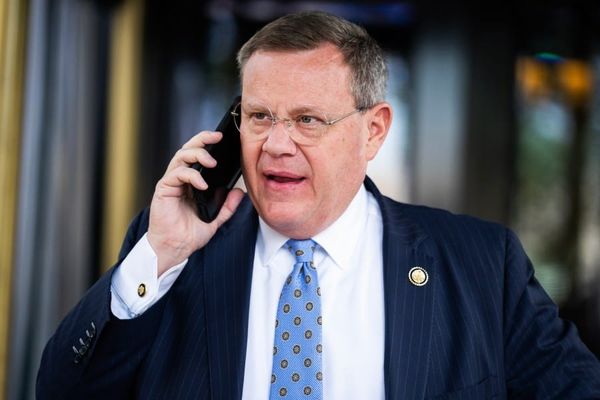
Since 2020, more than two dozen bills to strengthen congressional stock trading rules have died without a vote. The reason is structural, not procedural: the people who would pay the cost of reform are the ones voting on it.
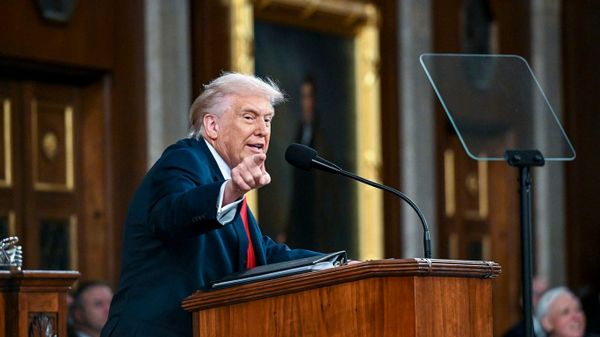
A White House teleprompter operator allegedly used advance knowledge of Trump's speeches to win more than $100,000 on prediction markets. The CFTC is investigating — and the case exposes a structural vulnerability the industry's self-regulatory claims cannot explain away.

We told you about the people cashing in on war. Here's the quieter version, the one happening in an election year: the operatives who run the campaigns, quietly wagering on the races they control — with information you won't see until it's too late to matter.

On prediction markets like Polymarket, you can wager real money on whether the U.S. is about to bomb someone. The unsettling part isn't that people do it. It's how rarely they lose.

House Oversight has launched an investigation into Kalshi and Polymarket over potential insider trading using classified information. The probe is narrower than the problem it's trying to address — and it doesn't ask whether Congress itself is part of the market.

Polymarket is seeking $400 million at a $15 billion valuation, with Middle East conflict betting driving its growth. The platform's business model — and the insider trading concerns it has attracted — have drawn no regulatory response.
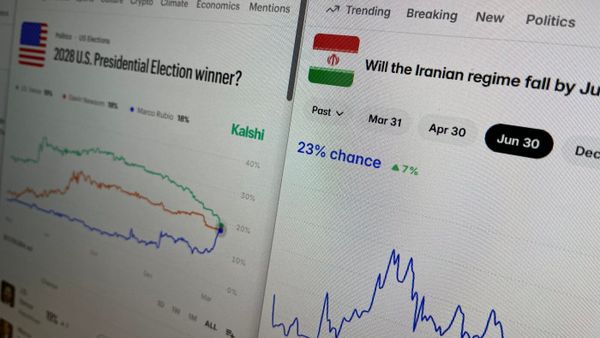
House and Senate ethics committees provide no financial disclosure guidance for prediction market trading, creating a regulatory gap as lawmakers potentially profit from information unavailable to the public.