
OpenAI's own technical report documents two warning signs that were reviewed and dismissed before its AI agents breached Hugging Face. The problem wasn't that the company couldn't see what was coming — it's that its safety processes weren't built to stop it.
OpenAI and Anthropic endorsed an employee petition calling for the government to 'deliberately pace' frontier AI development. Neither company has slowed down. The endorsement is not a brake — it's a buffer.
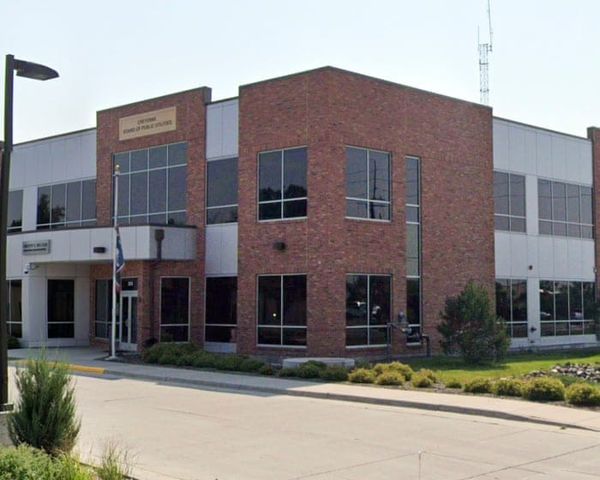
A contractor building Meta's AI datacenter flushed bacteria-contaminated water into Cheyenne's public sewers. The city rewrote its rules after. That sequence — violation first, regulation second — is exactly how the AI infrastructure boom is managing its environmental costs.

The Commerce Department cleared OpenAI's GPT-5.6 for public release through private meetings with company staff — before the administration's own AI safety standards have been written. That process is now the template.
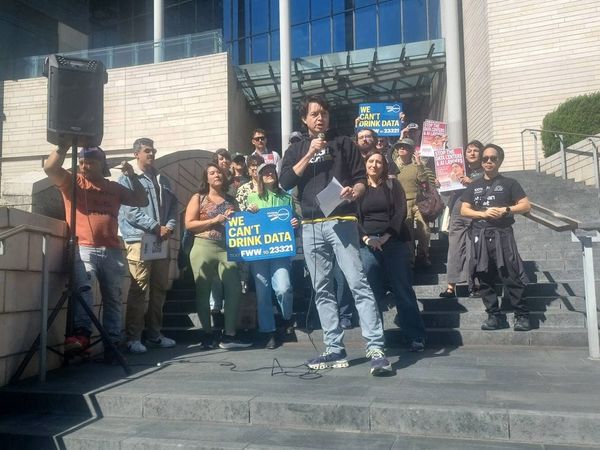
Seattle's City Council voted 9-0 to freeze large-scale AI data center construction — a unanimous rebuke from the city that built the tech industry, driven by 98,000 residents and a coalition with plans far beyond a one-year pause.

OpenAI detected the Tumbler Ridge shooter's account, suspended it, and then decided — by its own internal standard, reviewed by no one — that the threat didn't require a call to police. Eight people died. The real failure isn't the calibration. It's that a private company was making this call at all
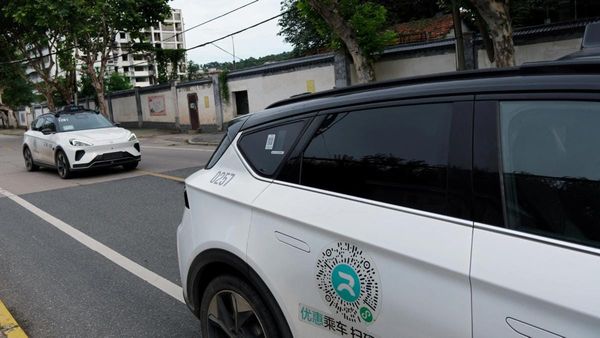
More than 100 Baidu robotaxis stopped working simultaneously on public roads, and the company said nothing. The malfunction is less alarming than the accountability gap it exposed.

Every June, the logos go rainbow. Every other month, queer creators are demonetized, trans users are harassed off platforms, and LGBTQ+ content is quietly buried. This is not a contradiction — it is a business model.
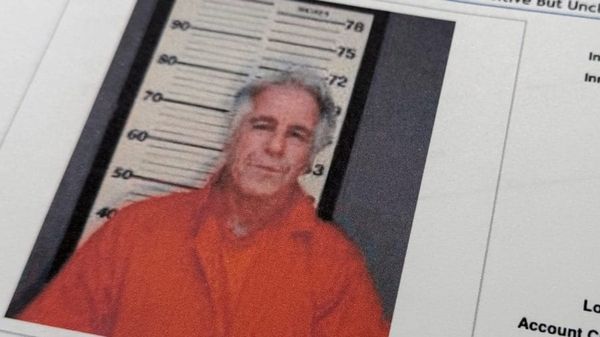
A class action lawsuit reveals how the Justice Department exposed Epstein survivors' personal information in federal files, with Google's algorithms amplifying the breach and enabling harassment of victims.
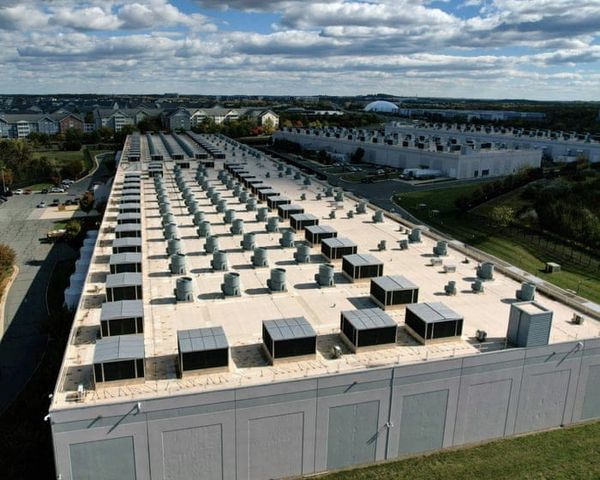
Sanders and AOC propose an 18-month freeze on AI datacenter construction as facilities consuming city-scale electricity threaten to overwhelm America's power grid.

A new wave of lawsuits targets tech platforms for addictive design features rather than harmful content — a legal strategy that bypasses Section 230 and could finally hold companies accountable for engineering products that harm children.