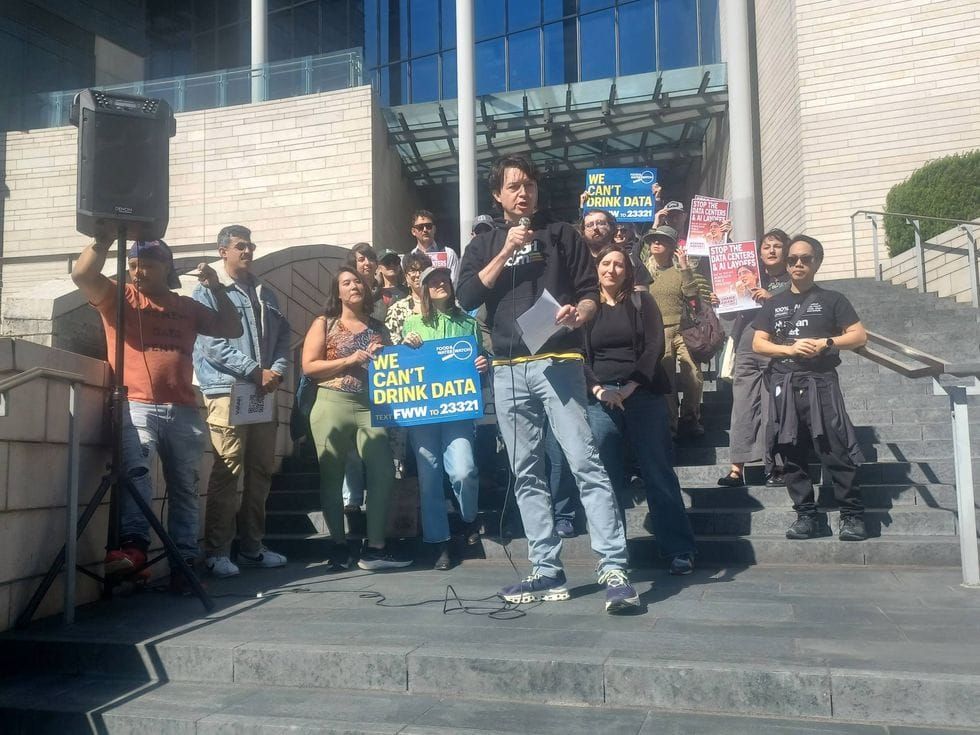
Five proposed data centers would have consumed one-third of Seattle's entire current electricity demand. That single figure — reported by Common Dreams — is the reason 98,000 Seattle residents wrote to their City Council and mayor demanding a stop. On Tuesday, the Council obliged, voting 9-0 to pass a moratorium on new large-scale AI data centers, making Seattle the largest U.S. city to do so. Two of the four companies that had originally approached Seattle City Light with proposals withdrew before the vote was even held.
The moratorium is not a permanent ban. It is a one-year permitting pause, paired with a resolution directing the city to study data center impacts before any approvals resume. But the vote's significance runs deeper than its immediate legal effect. Seattle is not some rust-belt town with nothing to lose from confronting tech. It is the city whose economy and identity have been intertwined with the industry since Microsoft planted its flag in nearby Redmond forty years ago. Amazon's headquarters sits downtown. When Seattle says no, the industry cannot dismiss it as technophobia from the margins.
The concerns driving that 98,000-letter campaign were not abstract. Residents and union members who testified ahead of the vote cited the climate consequences of unchecked energy consumption, water use by cooling systems, AI-driven job displacement, and the surveillance risks of data infrastructure built under a federal government they described as increasingly authoritarian. Council Member Alexis Mercedes Rinck, who had heard opposition at every committee meeting where the moratorium was discussed, framed the choice plainly: "We have a moral imperative to put the health of our people and our planet above the profit margins of tech companies." The applause that followed the unanimous vote was, by the source's account, rousing.
The coalition that organized the campaign, Washington AI Resistance (WA-AIR), used the vote's momentum immediately. Within hours of the council's decision, they launched a People's AI Bill of Rights on the steps of City Hall — a document designed not just to celebrate a permitting pause but to build a regulatory framework for what comes after it. "Washington is home to some of the biggest tech companies in the world, and we've been at the forefront of the digital revolution in many ways," WA-AIR activist Evan Sutton told Common Dreams. "This time, we need to be at the forefront of a human revolution." The Bill of Rights framing is deliberate: it positions the moratorium not as anti-technology but as pro-accountability, demanding that AI deployment serve ecological and human well-being rather than shareholder returns.
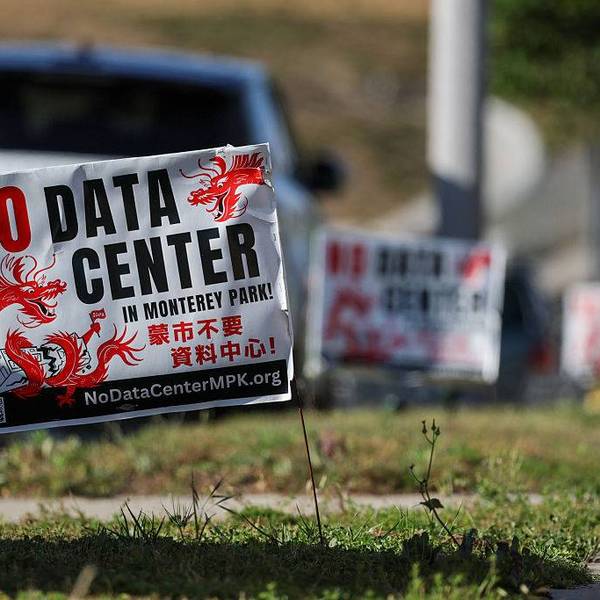
Seattle's vote does not exist in isolation. It is part of a growing pattern of municipal and state-level resistance to the physical infrastructure demands of the AI industry. New York's legislature passed its own data center pause, though Governor Hochul's signature remains uncertain. Monterey Park voters approved a data center ban by 86 percent. Red and blue communities alike have organized against facilities that promise economic development while delivering power grid strain, water consumption, and noise. What distinguishes Seattle is the size of the city and the directness of the confrontation: this is not a suburb fending off an unwanted neighbor, it is a tech hub telling the industry it built that the terms of the relationship have changed.
The power and money dynamics here are worth naming clearly. Data center construction is one of the primary physical expressions of the AI investment boom — the infrastructure that makes large language models run at scale. The companies proposing Seattle facilities were not announcing charity. They were seeking to offload the energy and grid costs of their expansion onto a municipal utility and its ratepayers, while capturing the economic value of that infrastructure privately. Seattle City Light, a publicly owned utility, would have absorbed the demand management challenge. Seattle residents would have absorbed the grid stress and the climate cost. The companies would have kept the compute capacity and the revenue it generates.
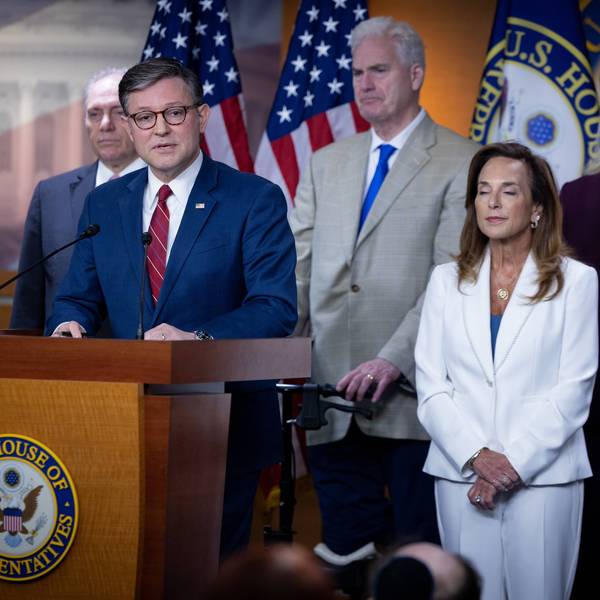
The federal regulatory environment provides no counterweight to this dynamic. The current administration has proposed taking equity stakes in AI companies it also regulates — a structural conflict of interest that makes independent federal oversight of data center expansion essentially theoretical. Federal legislation to address AI's energy demands has stalled, leaving cities and states to fill the gap with whatever tools local law provides. Seattle's moratorium is, in part, a direct consequence of that federal vacuum.
The year-long study period now underway will matter enormously. If Seattle produces a rigorous regulatory framework — one that conditions data center approvals on enforceable energy efficiency standards, community benefit agreements, and independent environmental review — it becomes a template. Other cities watching this vote will be watching the follow-through just as closely. The moratorium bought time. What WA-AIR and the City Council do with that time will determine whether Tuesday's unanimous vote was a turning point in how American cities negotiate with the tech industry, or simply a delay before the buildout resumes on the industry's original terms.