British naval assets are preparing for deployment to the Persian Gulf following a conversation between Prime Minister Keir Starmer and President Donald Trump about "ending disruption to global shipping," according to BBC News. The carefully worded statement from 10 Downing Street masks a more troubling reality: the UK is being drawn into military operations that Parliament has not debated, much less authorized.
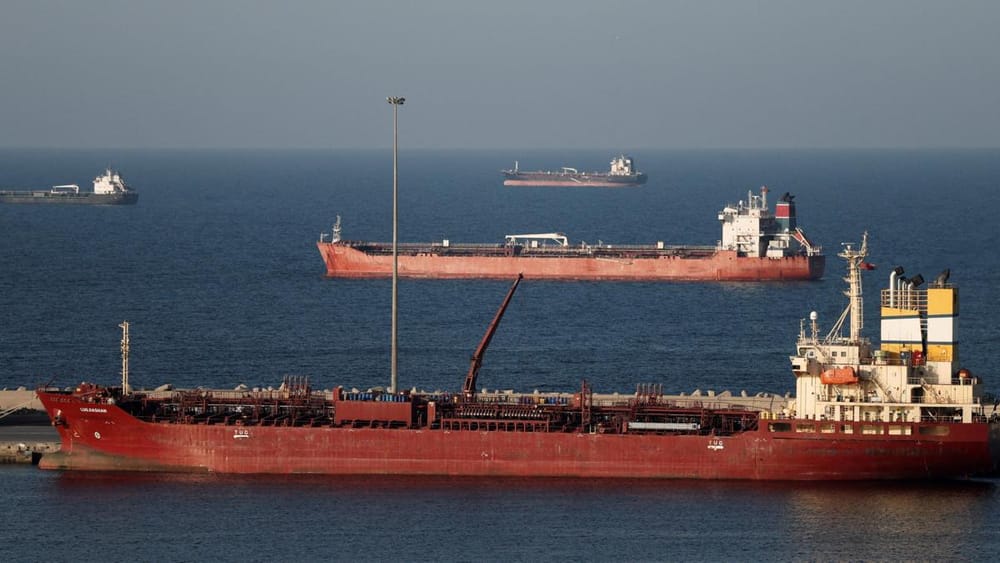
The timing is no accident. With the Strait of Hormuz closed for nine days following Trump's declaration of victory over Iran, oil prices have spiked above $120 per barrel. The economic pressure on European allies to support American military action is mounting by the hour. What Downing Street frames as a discussion about shipping lanes is, in practical terms, preparation for naval confrontation in one of the world's most volatile waterways.
This pattern — American unilateral action followed by demands for allied participation — has defined every Middle East conflict for two decades. The UK's response reveals how little has changed despite promises of a more independent foreign policy post-Brexit. When Washington decides on military action, London's choices narrow to how quickly it will comply, not whether it will participate.
The diplomatic language surrounding the Starmer-Trump call obscures the military reality already unfolding. British Type 45 destroyers and Type 23 frigates maintain a rotating presence in the region through Operation Kipion. These vessels, ostensibly deployed for maritime security, can be rapidly tasked to support American operations. The infrastructure for UK participation in whatever comes next is already in place — all that remains is the political decision to use it.
What makes this moment particularly dangerous is the absence of any clear legal framework for British involvement. Unlike the 2003 Iraq invasion, which at least received a parliamentary vote (however flawed the intelligence), current UK participation in Trump's escalating bombing campaign against Iran is happening through executive decision-making alone. The transformation of a trade disruption into a military operation happens without public debate, without legislative oversight, without any examination of what British forces might be asked to do.
The economic leverage is obvious. Britain imports 40% of its oil through Middle Eastern shipping routes. A prolonged closure of the Strait of Hormuz would trigger fuel shortages within weeks, not months. This dependency gives Washington enormous power to compel British participation simply by creating crises that London cannot afford to ignore. The conversation about "reopening" shipping lanes assumes British agreement that military force is the appropriate response — an assumption that goes unexamined in the carefully managed statements from both governments.
History suggests where this leads. British forces joined American operations in Iraq, Afghanistan, Libya, and Syria — each time with promises of limited engagement, each time finding themselves committed far beyond the original scope. The current situation offers even fewer constraints. Trump's unnamed coalition operates without UN authorization, without clear objectives, without any mechanism for British withdrawal once committed.
The speed of this slide toward military involvement matters. Less than two weeks ago, the Strait of Hormuz was open. British naval forces were conducting routine patrols. Parliament was focused on domestic legislation. Now, after a single phone call framed around commercial shipping, the UK stands on the brink of its next Middle Eastern military commitment — one that could dwarf previous interventions given Iran's military capabilities and regional alliances. The British public is being given no opportunity to weigh these risks against the economic costs of non-participation. That choice is being made for them, one diplomatic phone call at a time.