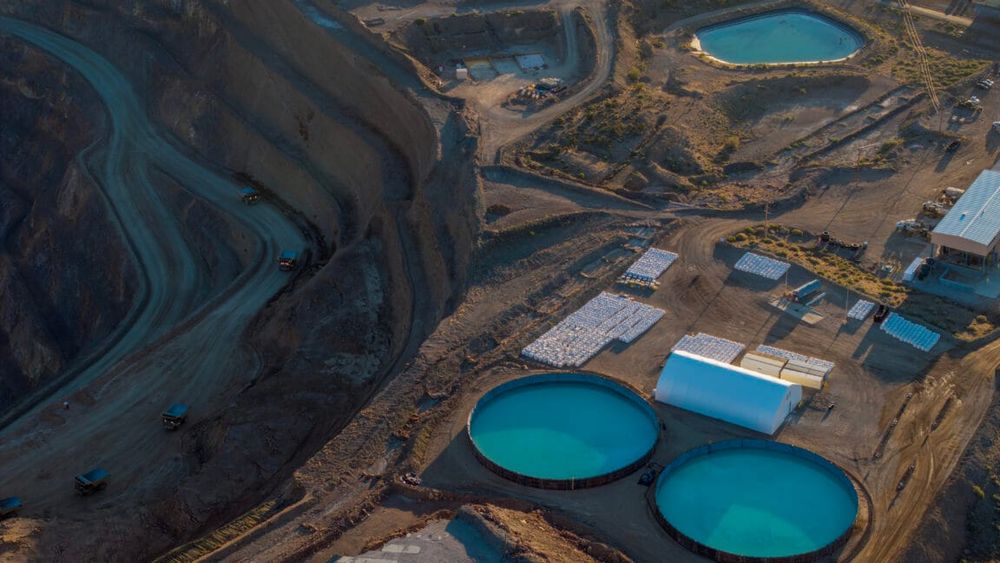
The pitch was straightforward: American miners would extract the critical minerals that power electric vehicles, defense systems, and semiconductors, and American factories would buy them. The United States would stop depending on China for the raw materials of the 21st-century economy. The administration backed the plan with federal support, regulatory fast-tracking, and the kind of political messaging that makes for clean press releases.
The reality, as Ars Technica reports, is that U.S. rare earth miners backed by the Trump administration are selling their output to Japan and South Korea — because domestic demand has not materialized. The reshoring strategy has a missing piece, and it is not a small one: there are almost no American manufacturers capable of processing rare earth materials into the components that end-use industries actually need.
Rare earth elements — a group of 17 metals including neodymium, dysprosium, and lanthanum — are essential inputs for permanent magnets used in EV motors, wind turbines, missile guidance systems, and consumer electronics. China controls roughly 60% of global rare earth mining and approximately 85-90% of global processing capacity, giving it decisive control over supply chains that both the U.S. defense establishment and clean energy sector depend on.
The administration's rare earth strategy confused extraction with a supply chain. Mining is one link in a long chain that runs from ore in the ground to a magnet in a weapons system or an electric motor. The United States has invested — politically and financially — in that first link while leaving the rest of the chain in Asian hands. The result is that American miners are functionally serving the same Asian industrial ecosystem the policy was designed to displace.
The real question is not primarily about the miners. They are doing what any rational business does: finding buyers. If Japan and South Korea have the processing facilities, the industrial base, and the long-term purchase agreements to absorb U.S. rare earth output, of course that is where the material flows. The question is who designed a reshoring policy that funded extraction without building — or even seriously planning — the downstream processing and manufacturing capacity that would create domestic demand in the first place.
The gap between mining and manufacturing is not a secret. It has been documented for years. Rare earth processing is technically complex, capital-intensive, and environmentally demanding in ways that have made it politically difficult to site in the United States. China did not come to dominate rare earth processing by accident — it subsidized the industry heavily over decades, accepted environmental costs that American regulatory frameworks would not permit, and built the skilled workforce and industrial infrastructure that processing requires. Replicating that in the United States requires a policy that addresses all of those factors, not just the extraction end.
What the administration offered instead was the political optics of domestic mining — ribbon-cuttings, permit approvals, and the language of resource independence — without the harder, slower, more expensive work of building the processing and manufacturing base that would make that mining strategically meaningful. The miners got their backing. The smelters, the magnet manufacturers, the component fabricators — the middle of the supply chain — did not.

Follow the money. Who benefits from the current arrangement? The miners get revenue. Asian manufacturers — particularly in Japan and South Korea — get a new source of raw materials that reduces their own dependence on Chinese supply, which serves their strategic interests. The U.S. defense and clean energy sectors remain dependent on Asian processing capacity, which means the strategic vulnerability the policy claimed to address is substantially unchanged. The political actors who championed the policy get to point to active American mines as evidence of success, without being accountable for the downstream gaps that make those mines strategically inert.
The pattern extends well beyond rare earths. The United States has repeatedly attempted to address supply chain vulnerabilities by investing in the most visible, most photographable part of the chain — the mine, the factory floor, the semiconductor fab announcement — while underinvesting in the less legible infrastructure that makes those investments strategically coherent. The CHIPS Act faced a version of this problem: funding for fabrication facilities without sufficient investment in the specialized chemicals, equipment, and trained workforce that fabs require. The rare earth situation is that same pattern, at an earlier stage of the supply chain.
The alliances matter here too. Japan and South Korea are U.S. allies, which means the current arrangement is not geopolitically catastrophic in the short term. American rare earth material flowing to Seoul and Tokyo is not the same as it flowing to Beijing. But it does mean the United States remains a raw material exporter in a strategic sector — a position that historically correlates with less power, not more. The value in critical mineral supply chains accumulates at the processing and manufacturing stages, not the extraction stage. By remaining stuck at extraction, U.S. policy is replicating, in miniature, the resource extraction dynamic it has long criticized in the Global South's relationship to commodity markets. As Tinsel News has previously reported on the mineral justice framework, the difference between extraction and sovereignty is precisely this: who controls what happens after the ore leaves the ground.
The comparison to China's energy investments is instructive. As Tinsel News has documented, China has spent two decades building integrated supply chains in clean energy technology — not just mining lithium and rare earths, but processing them, manufacturing the components, and dominating the end markets. The United States has responded to that integrated strategy with a fragmented one: fund the mine, hope the rest follows. It has not followed.
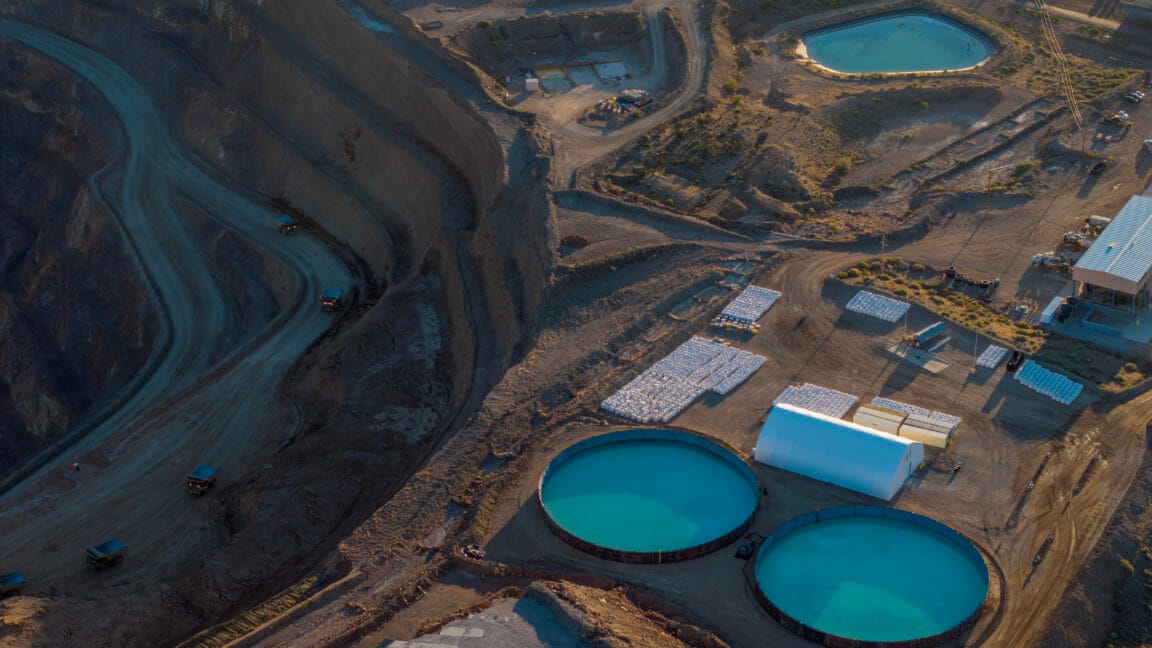
The human cost of this is less visible than in other supply chain debates, but it is real. The workers at U.S. rare earth operations are employed — that is not nothing. But the higher-wage, higher-skill jobs in processing and advanced manufacturing that a genuine reshoring strategy would create have not materialized. The communities near these mining operations bear the environmental costs of extraction without gaining the economic depth that a full supply chain would bring. They are, in a precise sense, being used as the raw material end of someone else's industrial strategy — a dynamic that runs through global mineral supply chains wherever extraction and its rewards come apart.
What would a policy that actually addressed the strategic problem look like? It would require sustained investment in rare earth processing facilities — including serious engagement with the environmental permitting challenges that have historically blocked them. It would require long-term purchase agreements from the Defense Department and other federal agencies that could anchor domestic demand while the private market develops. It would require workforce training programs for the technical skills that processing requires. And it would require the political honesty to admit that supply chain independence is a decade-long project, not a permit approval.
None of that is as photogenic as a mine opening. None of it fits on a press release about energy dominance. But without it, U.S. rare earth miners will keep doing exactly what they are doing now: extracting material from American soil and shipping it to Asia, because Asia built the infrastructure to use it and the United States did not. The strategic vulnerability remains. The political claim of having addressed it does not.